
interest rate polarization In 2026, the South Korean financial market has truly entered an era of interest rate polarization. While the Bank of Korea’s base rate remains relatively stable at 2.5%, the gap between lending rates and deposit rates is widening significantly. In particular, as mortgage rates steadily rise while deposit rates decline, households are experiencing mixed fortunes. In essence, the burden on borrowers is increasing, and the options for savers are narrowing.
Coupled with the government’s strengthened stance on household debt management, this year is a time when we must pay closer attention to changes in the financial market than ever before. It is crucial to meticulously examine how interest rates, which we previously only saw as numbers, are affecting our lives and how we should respond in the future.
Soaring Loan Interest, ‘Record-High’ Household Burden

For those living with loans, the interest rates in 2026 are truly frustrating. As of January, the average interest rate for new bank loans recorded an annual 4.24%, a 0.05 percentage point increase from the previous month. The rise in household loans, especially mortgage loans, is particularly prominent, increasing the housing burden on ordinary citizens. Statistics showing that the average outstanding loan balance per household borrower in Korea exceeded 97 million won at the end of Q3 2025, reaching an all-time high, clearly illustrate this reality.
- Mortgage Rate Increase: In January, mortgage rates were 4.29%, continuing an upward trend for four consecutive months. This is the highest level since November 2024.
- Government’s Strengthened Household Debt Regulations: The government set a target for the growth rate of household debt across all financial sectors at 1.5% for 2026, lowering it by 0.2 percentage points from last year, thereby raising the bar for loans.
- Restrictions on Loan Maturity Extensions for Multiple Homeowners: From April 17, 2026, maturity extensions for mortgage loans for multiple homeowners are virtually restricted, forcing them to repay the full amount or dispose of their homes when the loans mature.
These strengthened loan regulations raise concerns that a ‘loan cliff’ could deepen in the second half of the year. The possibility of banks closing their loan windows during peak housing transaction periods, such as the summer moving season or around Chuseok, cannot be ruled out.
Deposit Interest, Is It Really the Shortcut to a ‘God-Tier Life’?
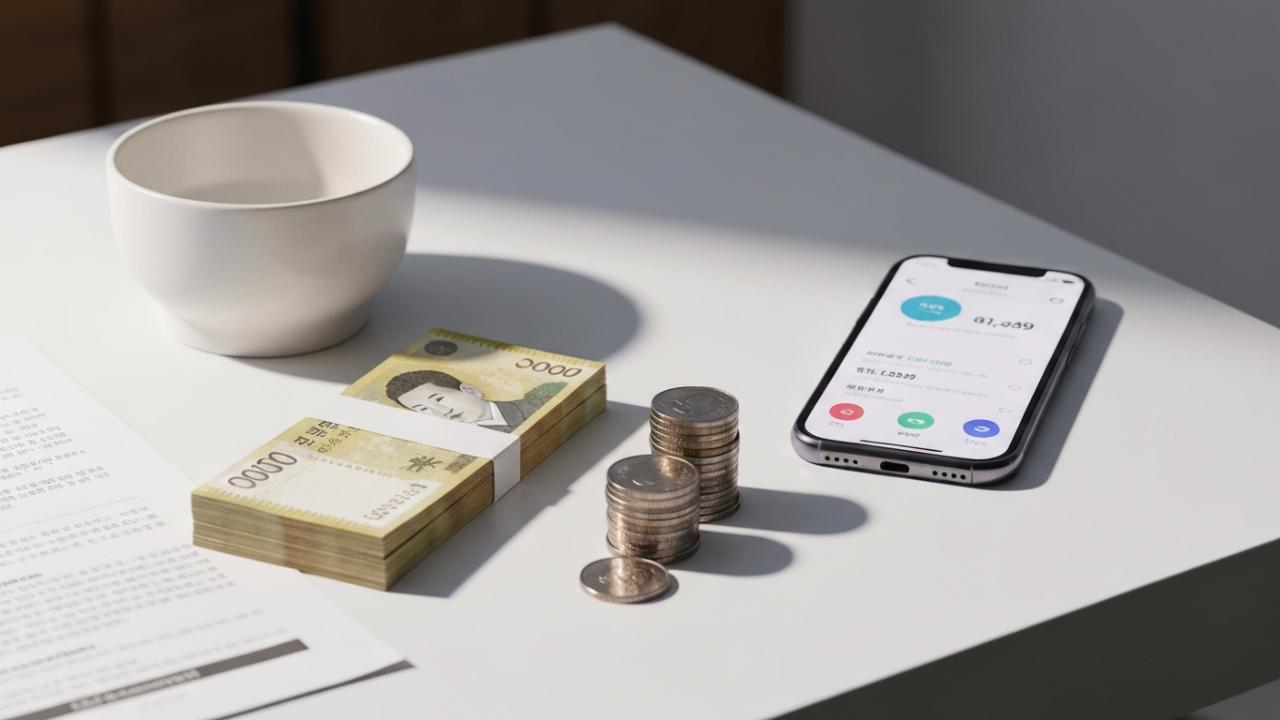
While loan rates are soaring, deposit rates are declining, further widening the interest rate spread. In January, deposit rates fell to an annual 2.78%, a 0.12 percentage point decrease from the previous month, marking a decline after five months. However, even in this situation, deposits remain an important financial investment tool for those dreaming of a ‘god-tier life’ because of their low risk of principal loss and predictable returns.
- Commercial Bank Deposit Rates: Currently, 1-year fixed deposit rates at commercial banks range from 2.5% to 3.0% per annum.
- Rise of Internet Banks: Following KakaoBank and Kbank, Toss Bank also raised its fixed deposit rates to 3%, with internet banks offering relatively higher rates.
- End of Interest Rate Cut Cycle Expected: Some experts suggest that the Bank of Korea’s interest rate cut cycle has virtually ended, and even raise the possibility of interest rate hikes in the second half of the year. This could be ‘even better’ for depositors.
Of course, there are products offering higher interest, such as savings banks or securities companies’ promissory notes, but it is important to carefully consider principal guarantees and stability. It is wise to choose products that match one’s investment propensity and goals, rather than simply chasing high interest rates.
2026 Interest Rate Fluctuations, Where is the Market’s ‘Antenna’ Pointing?

The prevailing forecast is that the Bank of Korea will maintain its base rate at the neutral rate level of 2.5% in 2026. While consumer price inflation is expected to stabilize around 2.0%, vigilance remains high regarding external variables such as high exchange rates and international oil prices. In particular, the interest rate policy of the U.S. Federal Reserve (Fed) will inevitably have a decisive impact on the direction of domestic interest rates.
- Uncertainty in U.S. Interest Rate Policy: Some Wall Street experts warn that there will be no U.S. interest rate cuts in 2026, and even suggest that hikes could occur in 2027.
- Increased Exchange Rate Volatility: The equilibrium level of the won-dollar exchange rate has been adjusted upwards since the pandemic, and exchange rate volatility may increase due to risk premiums such as U.S. tariffs.
- Global Liquidity Reallocation: Some analyses suggest that 2026 will be a year of global liquidity reallocation. This could also affect the domestic stock market.
Ultimately, domestic interest rates will be determined by a complex set of factors, including the Bank of Korea’s monetary policy, global economic conditions – especially the economic trends in the U.S. and China – and exchange rate volatility. It is crucial to continuously monitor these macroeconomic indicators and make wise financial decisions.
The 2026 interest rate market is certainly not easy. Amid increasing burdens for borrowers and limited opportunities for depositors, it is important to devise optimal strategies tailored to individual circumstances. In a rapidly changing financial environment, wisdom is needed to wisely protect and grow assets.