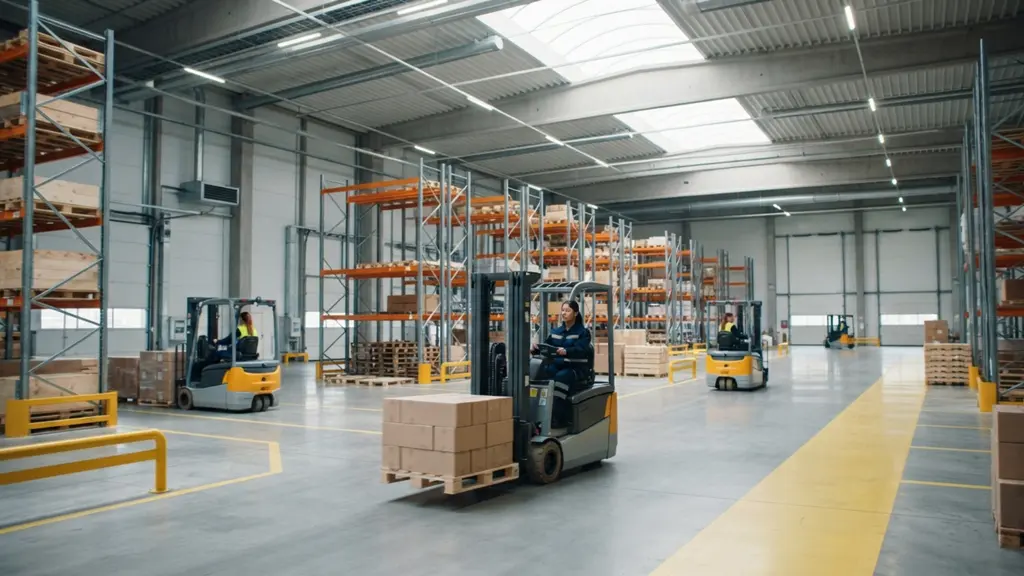
Today (August 23, 2026), unfortunate news was reported that a worker in their 40s suffered cardiac arrest due to a forklift accident at a Coupang logistics center in Gwangju, Gyeonggi Province. Fortunately, it was later reported that the worker regained consciousness, but this incident has once again brought the issue of safety in forklift operations to the forefront. Forklifts are essential equipment in logistics and industrial sites, but they also carry the risk of leading to fatal accidents. According to 2023 Ministry of Employment and Labor statistics, accidents related to transport and lifting equipment were the leading cause of fatalities in manufacturing, with forklifts at the center. As safety complacency and control failures are identified as major causes of accidents, extreme caution is required from both operators and workers.
In 2026, forklift safety regulations are being further strengthened, and safety innovations are accelerating, including mandatory behavioral monitoring and technical support training. The core objective has shifted from merely responding to accidents to preventing them before they occur. This article will detail five essential safety rules that can reduce forklift accidents by over 90% and explore new safety trends for 2026.
Forklift Accidents: Still High Risk – 2026 Latest Trends
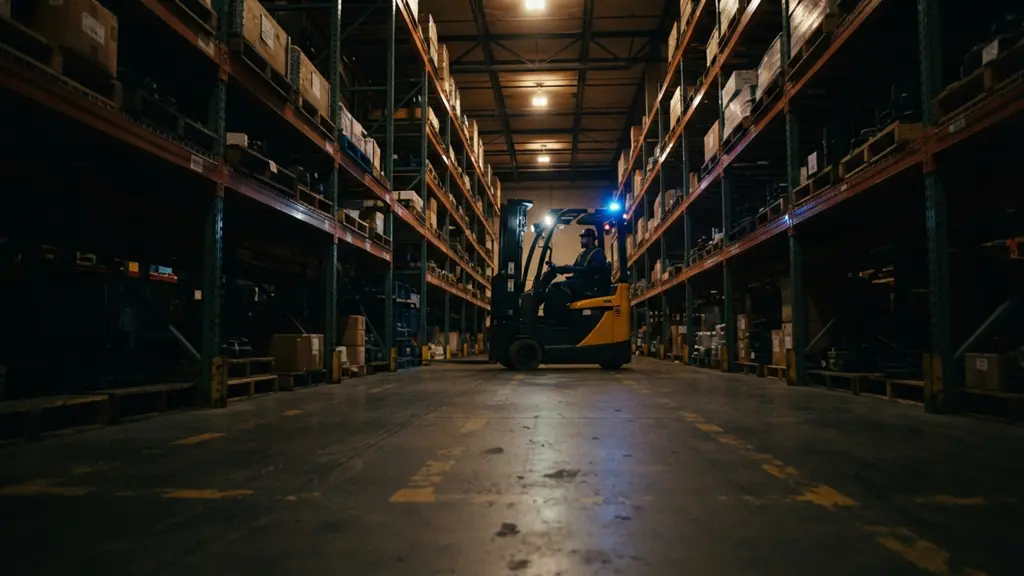
Forklifts are essential equipment in industrial sites, but they also come with inherent risks. As of 2026, news of forklift-related accidents continues to be reported. In particular, pinch-point accidents, where a body gets caught between a forklift and a structure, like the Coupang logistics center accident today, have a very high potential to lead to serious injuries. According to analysis by the Ministry of Employment and Labor, forklift accidents occur due to various reasons such as uneven terrain on the operating path, insufficient visibility, uneven weight distribution of loaded cargo, and brake system malfunction when leaving the driver’s seat. Most of these accidents can be sufficiently prevented with pre-operation checks, training, and adherence to basic operating principles.
However, the forklift industry in 2026 is moving beyond simple adherence to safety rules, towards enhancing safety through technological innovation. AI-based monitoring systems can reduce forklift accidents by up to 35%, tracking operator behavior in real-time to detect dangerous actions such as speeding, sudden braking, and improper turns. Furthermore, telematics integration is transforming vehicle management into a data-driven approach, contributing to lower accident rates and increased operational efficiency. These technologies play a crucial role in reducing operator fatigue and improving compliance with workplace safety regulations. In other words, forklift safety in 2026 has become an era where human vigilance combined with technological support is essential.
Essential Pre- and Post-Operation Checks: The First Step to Safety
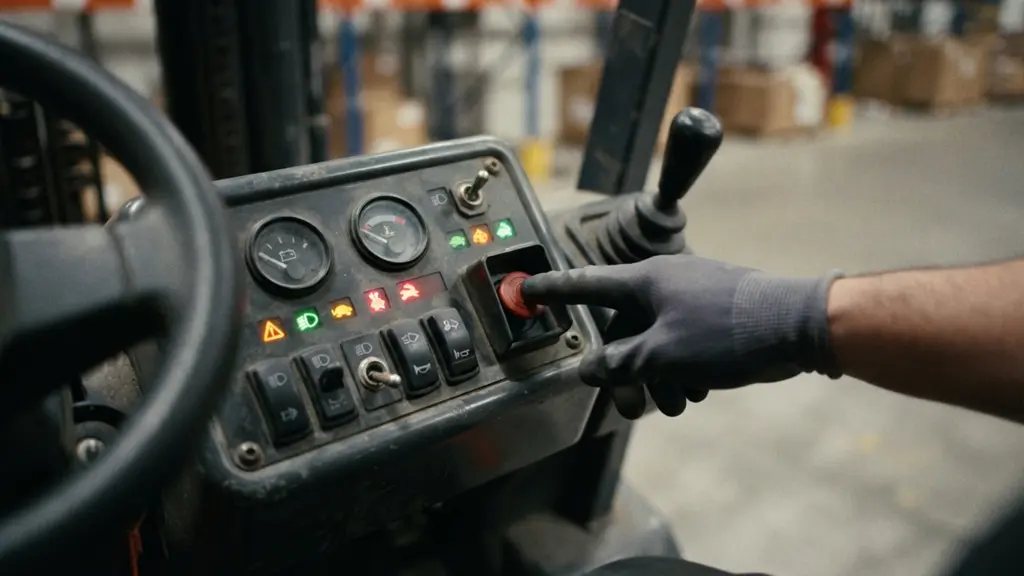
The most basic principle of forklift safety is thorough inspection before and after operation. A moment of carelessness can lead to a major accident. Forklift operators must inspect the forklift daily and record it on an equipment checklist. If damage to the vehicle is found, it should not be repaired by the operator directly, but rather by a skilled professional technician with maintenance qualifications. It is essential to confirm that repairs are completed before operation.
Specific inspection items are as follows:
- Check mast, backrest, and fork condition: Check for wear, damage, looseness, and missing bolts.
- Inspect tire condition: Check for air leaks, damage, and presence of foreign objects.
- Check steering wheel operation: Confirm that the steering wheel operates normally.
- Check for oil, coolant, and fuel leaks: Carefully look for any signs of leakage.
- Check headlight, taillight, and horn operation: Confirm that headlights and taillights, essential for night work, and the horn, which warns of danger to surroundings, are functioning correctly.
- Seatbelt and overhead guard: Confirm that the seatbelt is properly installed and wearable, and that the overhead guard, which protects the operator from falling objects, is installed according to regulations.
These inspections are not merely procedures but important preventive activities that protect the lives of operators and surrounding workers. It is also important to be familiar with the work plan in advance and adhere to the work sequence.
Safety Rules During Operation: Ensuring Visibility and Proper Loading
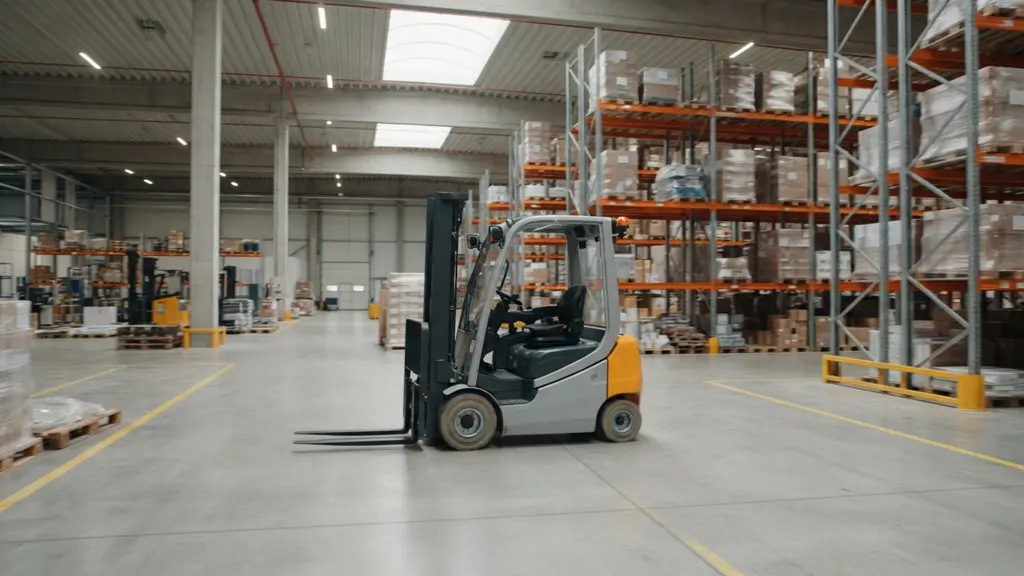
To prevent accidents during forklift operation, several key safety rules must be strictly followed. Ensuring visibility is one of the most crucial factors. When moving with large loads, the operator’s forward visibility is severely restricted, significantly increasing the risk of accidents. In such situations, a guide or work supervisor must be assigned to assist, and the movement of workers within the work path must be strictly separated to prevent casualties in advance.
The following are key safety rules to observe during operation:
| Safety Rule | Details |
|---|---|
| No Unauthorized Operation | Only persons who have completed qualification and safety training should operate the forklift. |
| Wear Seatbelt | It is essential to wear a seatbelt during vehicle operation to protect the operator in the event of a rollover accident. |
| Adhere to Speed Limits and Avoid Abrupt Maneuvers | Drive slowly in narrow passages and near pedestrians; sudden starts, stops, turns, and pivots are strictly prohibited as they increase the risk of rollover. |
| Cargo Loading Tips |
|
| Operating on Slopes |
|
| Prohibited Use Other Than Intended Purpose | It is strictly forbidden to carry people on the forks or use the forklift as an elevated work platform. |
These rules are essential for all forklift operators, regardless of their skill level. Remember that small actions protect your life, your colleagues’ lives, and your family.
Workplace Environment Creation and Pedestrian Protection: Zero Collision Accidents
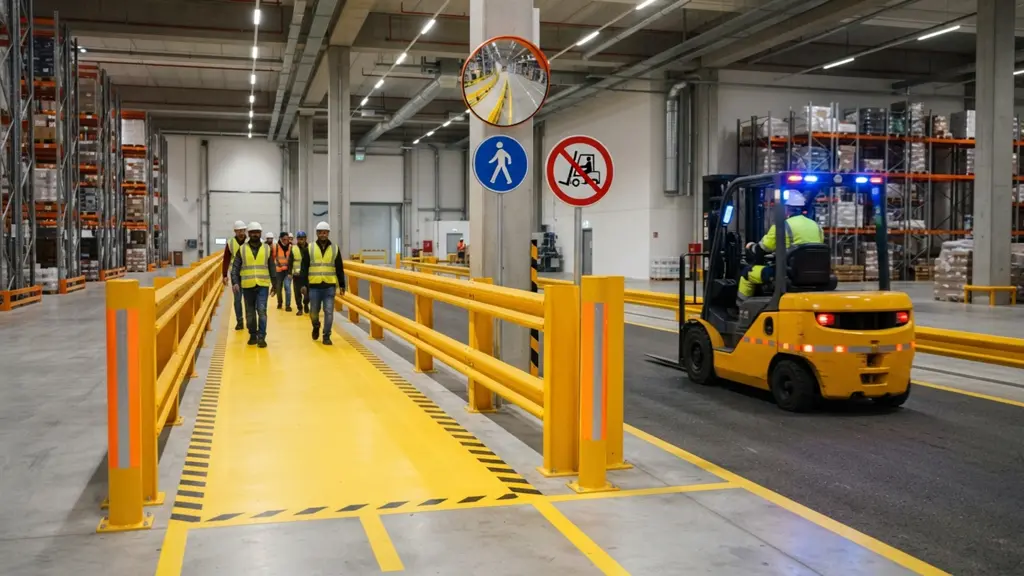
A significant number of forklift-related accidents result from collisions or pinch points with pedestrians in the workplace. Therefore, creating a safe workplace environment and thoroughly protecting pedestrians is key to preventing forklift accidents. It is crucial to clearly separate and demarcate forklift operating paths and worker pedestrian paths. Additionally, mirrors should be installed in blind spots to supplement the operator’s visibility.
Specific measures for pedestrian protection are as follows:
- Secure dedicated pathways: Strictly control worker access to forklift operating paths and secure dedicated pedestrian pathways.
- Establish signal system and deploy guides: When transporting bulky objects, there is a risk of pedestrian collision due to insufficient visibility, so a signal system must be established and guides deployed if necessary.
- Utilize warning devices: Sound the horn at intersections or blind spots, and if there are people around the work area, turn on warning lights or use the horn to alert pedestrians to the presence of the forklift.
- Rear observation and safety railings: When driving in reverse, observe the rear thoroughly, and install safety railings around the work area to reduce pinch-point risks.
- Create and share work plans: Prepare a work plan that includes risk prevention measures, operating routes, and work methods for forklift operations, and ensure all workers are aware of it.
Thus, efforts are needed not only from forklift operators but also from workplace managers and all workers to raise safety awareness and improve the environment. It is important to remember that safety takes precedence over speed.
Strengthened Safety Training and Technology Adoption: Obligations and Changes
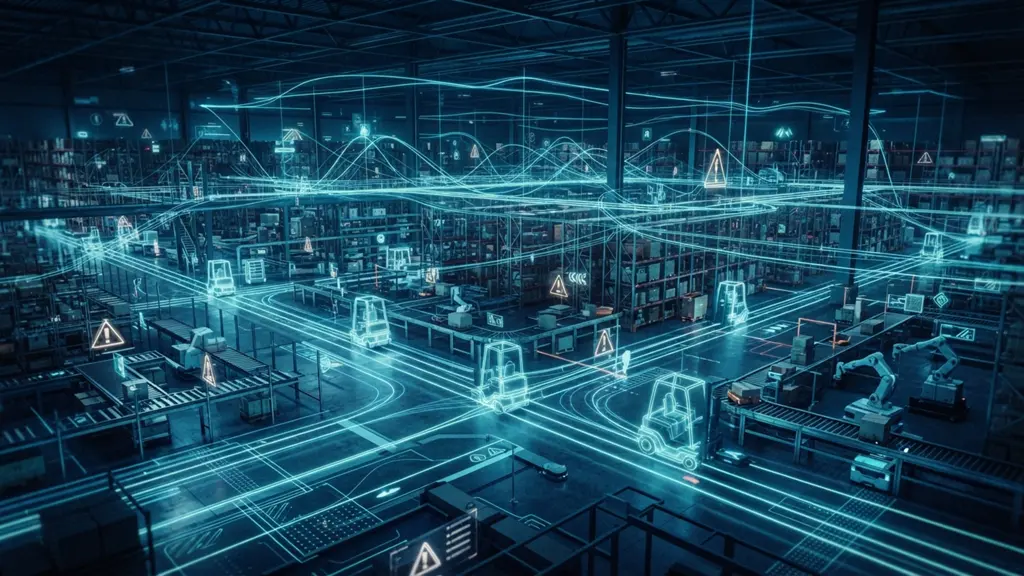
In 2026, legal obligations and technical support for forklift safety are being further strengthened. According to the Occupational Safety and Health Act, forklift operators must complete 4 hours of regular safety training every three years. This training is not merely an obligation but an essential investment that protects the lives of operators and their colleagues. Failure to complete it may result in a fine of up to 1 million won. This training can be applied for online and offline and must be completed by December 31st of the third year from the date of license acquisition.
Notably, OSHA’s (U.S. Occupational Safety and Health Administration) forklift safety regulations for 2026 mandate the adoption of behavioral monitoring technology and advanced training methods. This signifies a shift from traditional document-centric regulations to proactive accident prevention. Key changes include:
- Behavioral Monitoring Systems: Integration of systems that track operator behavior in real-time to detect and intervene in dangerous actions such as speeding and sudden braking is mandatory.
- Technology-Based Training: Training utilizing augmented reality (AR) simulations and continuous feedback systems is being enhanced, requiring operators to demonstrate proficiency in real-world scenarios.
- Regular Recertification Cycles: More frequent recertification cycles encourage operators’ continuous skill improvement and maintenance of safety awareness.
- Data-Driven Management: Compliance audits are streamlined through automatic documentation of digital training records and evaluation scores via telematics.
These changes are expected to significantly enhance the safety of forklift operation while also improving workplace efficiency. Safety is not an option but a necessity, and building a more robust safety net through technology and education is a key challenge for 2026.
Forklifts offer convenience, but they are also equipment that requires a responsible attitude and consistent effort. Operators themselves must strictly adhere to safety rules, and companies must actively invest in creating a safe working environment and adopting the latest technologies. It is important to remember that small acts of attention and practice can prevent major accidents and create a healthy workplace where everyone can work safely. For the safety of all of us, we hope that today will be another day where we look around and adhere to safety rules.