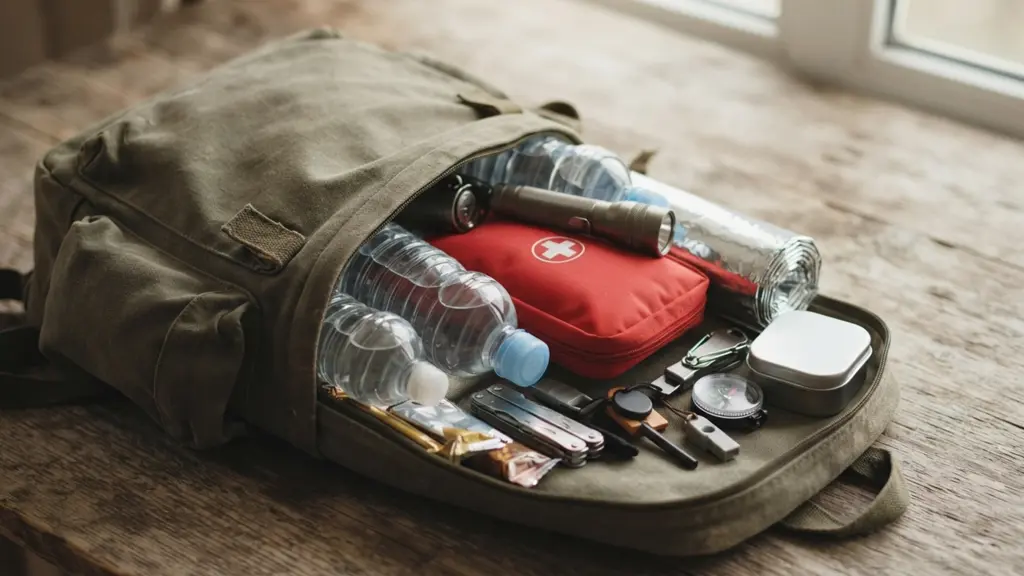
Earthquakes, which can strike suddenly anywhere, anytime, always bring us anxiety. As the awareness spreads that the Korean Peninsula is no longer a safe zone from earthquakes, it has become more important than ever to be familiar with earthquake action guidelines. In particular, survival can depend on how effectively you use the short ‘golden time’ to take cover once the shaking begins. This article provides detailed information on the evacuation tips and essential supplies we must know before and after an earthquake.
Since earthquakes are difficult to predict, it’s crucial to regularly practice earthquake drills and prepare emergency supplies. While it’s easy to panic when a situation arises, it’s important to remain calm, make rational judgments, and act. Let’s now look at specific ways to protect our lives and safety during an earthquake.
Indoor Action Guidelines During an Earthquake
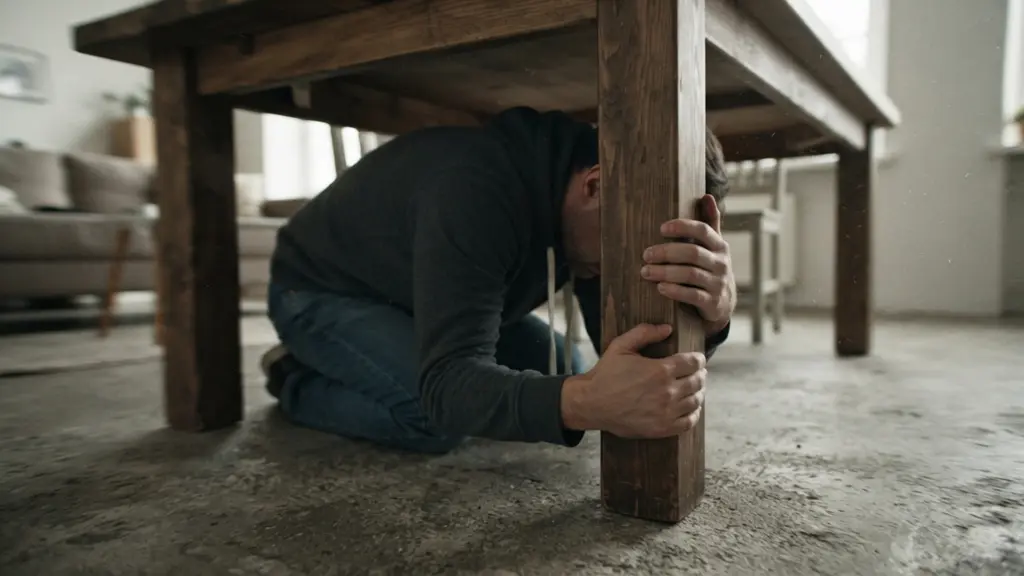
When an earthquake occurs, the first priority is to secure safety indoors. The period of strong shaking usually lasts only about 1 to 2 minutes, so it’s crucial to react calmly during this short time.
- Protect your body: Get under a sturdy, low-centered table, hold onto its legs tightly, and protect your body. If there’s no table, cover your head with a cushion or blanket to protect yourself from falling objects.
- Secure exits and prevent fires: Once the shaking stops, immediately open doors to secure an exit, and turn off gas and electricity to prevent secondary fires.
- Beware of falling objects: Remove objects that could fall from ceilings or high places in advance, and during an earthquake, avoid areas near windows or unstable furniture.
- Do not use elevators: Elevators can malfunction during an earthquake, so never use them; instead, use stairs to evacuate. If you get trapped in an elevator, press all buttons to exit on the nearest floor and evacuate, or use the intercom to call for help.
Especially in reinforced concrete buildings like apartments, doors might warp and become stuck due to an earthquake, so it’s very important to open doors to secure an exit even before the shaking stops.
How to Respond to an Earthquake Outdoors

If you are outdoors during an earthquake, you must respond differently than indoors. The key is to quickly assess your surroundings and move to a safe location.
- Stay away from falling objects: Keep as far away as possible from buildings, walls, streetlights, power lines, and other objects that could collapse or fall. It’s advisable to protect your head with a bag or your hands while moving.
- Evacuate to open spaces: Quickly evacuate to a wide-open area like a playground or park, or any safe space free from falling objects. When moving, it’s safer to walk rather than use a vehicle.
- If driving: If you detect an earthquake while driving, immediately pull over and engage the parking brake. Stop in a location far from bridges, buildings, and power lines. After the shaking stops, check for disaster information via the radio, turn on your hazard lights, leave the car keys in the ignition, and evacuate without locking the doors.
- If on the coast: If you are near the coast, move to higher ground immediately after the shaking stops. Earthquakes can lead to tsunamis, so do not return home until an all-clear announcement is made.
Subways and underground shopping centers are generally considered relatively safe. Even if there’s a power outage, emergency lights will turn on, so remain calm and follow the guidance to evacuate.
Safe Evacuation Locations and Methods
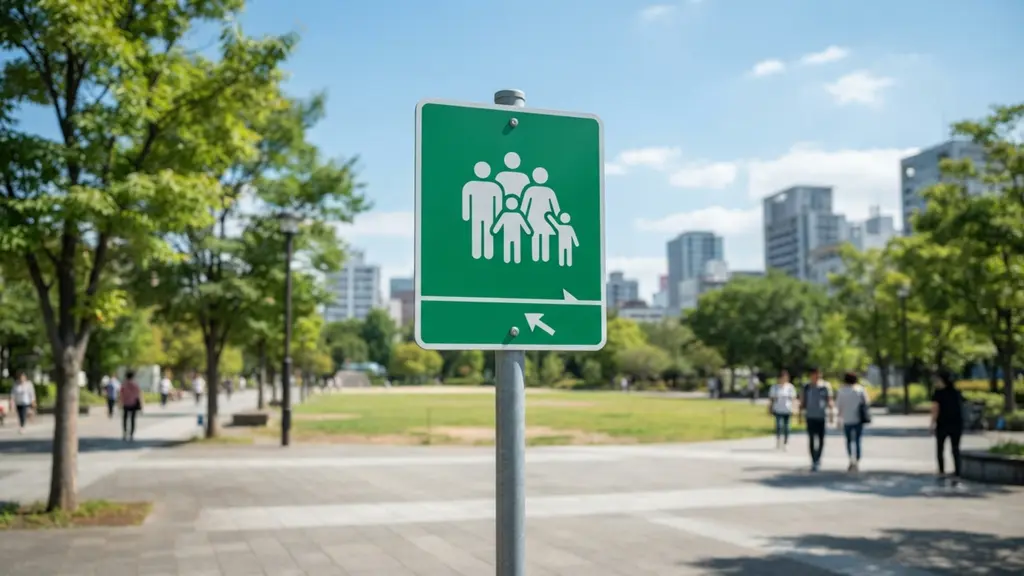
After an earthquake, you should move to a pre-designated outdoor earthquake shelter. You can check your local shelters in advance on websites like ‘National Safety 24’.
| Evacuation Location Type | Characteristics | Precautions |
|---|---|---|
| Outdoor Earthquake Shelter | Wide open spaces like playgrounds, parks, with low risk of falling objects | Move away from buildings, protect head with personal belongings |
| Tsunami Emergency Evacuation Site | Coastal high ground or tall buildings | Move immediately upon tsunami warning issuance |
| Temporary Housing for Disaster Victims | Facilities for long-term residence after an earthquake (gyms, schools, etc.) | Check local government guidance before moving, prepare essential supplies |
During evacuation, avoid getting close to unsecured objects like block walls or vending machines, as they might fall. Also, wear shoes when moving to prevent foot injuries from broken glass or debris.
At the evacuation site, do not be swayed by groundless rumors or misinformation; instead, act according to reliable information such as radio broadcasts or public agency announcements.
Essential Earthquake Preparedness Supplies and Family Plan
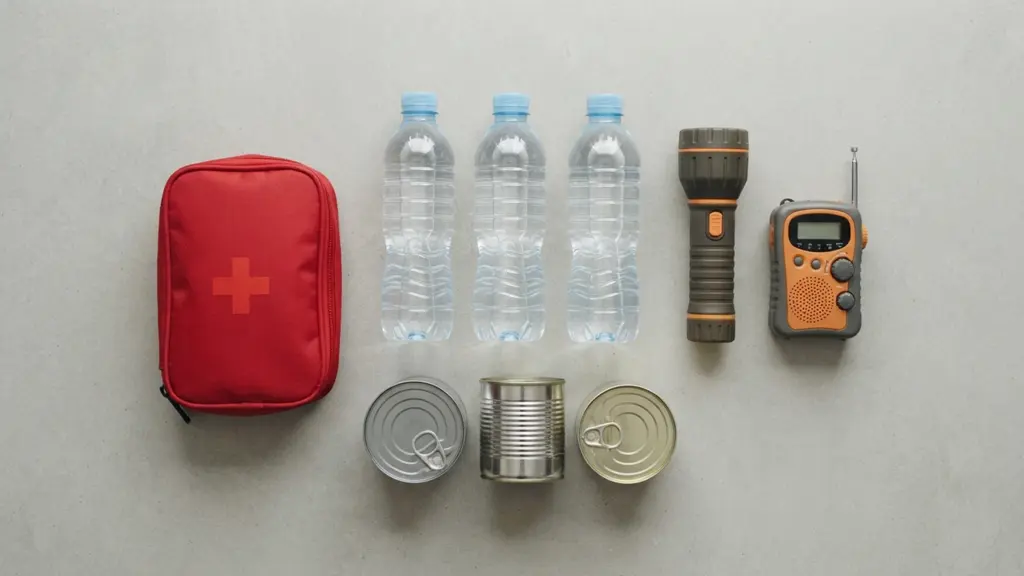
Since earthquakes can strike at any time, thorough preparation is crucial. Preparing necessary emergency supplies in advance and establishing a family response plan can be a great help.
- Prepare an Emergency Go Bag: Prepare an emergency go bag containing essential supplies to sustain you for 72 hours after a disaster.
- Drinking Water and Emergency Food: Prepare at least 3 liters of water per person per day, along with non-perishable canned goods, energy bars, and hardtack biscuits for at least 3 days.
- First-Aid Kit: Prepare basic first-aid supplies like bandages, antiseptic, pain relievers, and any personal prescription medications.
- Flashlight and Radio: Prepare these with extra batteries in case of a power outage. A hand-crank radio is also useful.
- Other Essentials: Pack blankets, extra clothes, a whistle, plastic bags, personal hygiene items (toilet paper, wet wipes, etc.), cash, and copies of important documents.
- Family Reunion Plan: Pre-determine a meeting place for your family after an earthquake and establish a communication method to inform relatives in other areas of your safety.
- Home Environment Preparation: Remove objects that could fall from ceilings or high places, and firmly secure furniture to reduce damage from falling or overturning.
This preparation goes beyond simply acquiring items; it’s an important psychological process of disaster readiness. Only by preparing and practicing in advance can we most certainly protect our family’s safety.
Safety Guidelines After an Earthquake
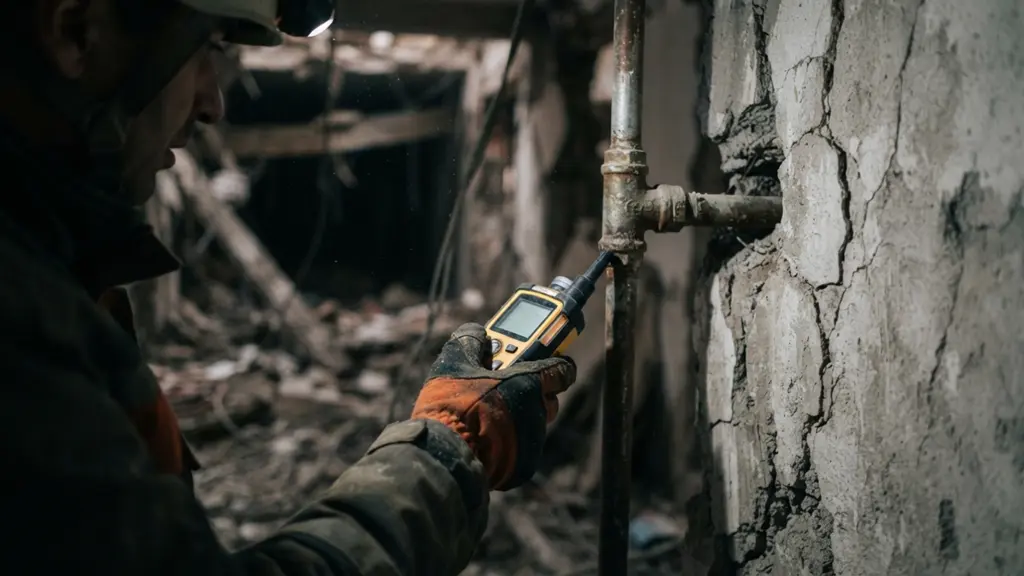
Even after the main shaking of an earthquake stops, you must not lower your guard. Strictly adhere to safety guidelines to prepare for aftershocks and secondary damage.
- Aftershock Preparedness: Aftershocks can occur over days or weeks, so whenever you feel shaking, adopt the ‘DROP, COVER, HOLD ON’ position.
- Information Verification: Continuously check the situation through reliable emergency information such as local radio and TV programs and public agency announcements.
- Hazard Inspection: Check for nearby hazards like gas leaks, damaged power lines, or ruptured pipes. If you smell gas, immediately evacuate everyone and report it to the authorities.
- Do Not Enter Damaged Buildings: Do not enter damaged buildings until they are deemed safe. Even if you need to stay in a shelter, wait until officials declare it safe.
- Participate in Rescue Efforts: If you are able, you can help injured people nearby or participate in rescue efforts. However, your own safety must be the top priority.
Earthquakes are unpredictable natural disasters, but thorough preparation and familiarization with action guidelines can minimize damage. It’s important to regularly practice evacuation drills with your family, check emergency supplies, and consistently review safety information. Remember that your ability to cope with a crisis and your survival chances can vary greatly depending on how well you prepare.