
In 2026, the role of parents and parenting styles are changing faster than ever. Strict educational views and uniform standards of the past are gradually disappearing, and a new trend emphasizing practicality and flexibility is emerging as the mainstream. In particular, the development of digital technology and economic and social changes are comprehensively influencing how parents raise their children. Rather than trying to handle everything alone, there’s a clear tendency to actively utilize help from others and focus on a child’s emotional development. Amidst these changes, what concerns do parents have, and what new solutions are they seeking?
Parenting in the Digital Age: Balancing AI and Screen Time
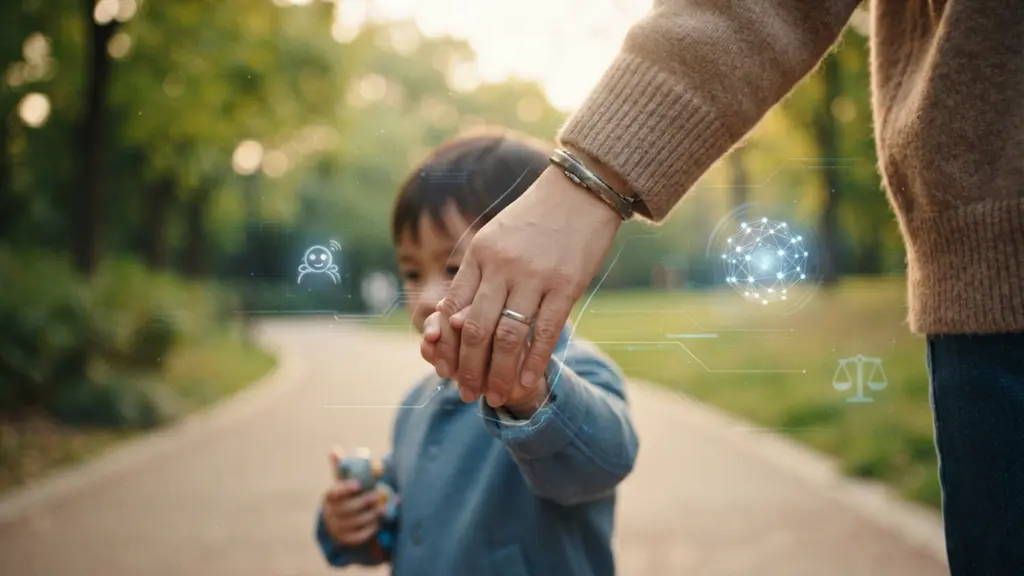
Digital devices and Artificial Intelligence (AI) have become indispensable core elements in the 2026 parenting environment. AI is now more than just a learning tool; it effectively serves as parents’ ‘second brain.’ From drafting school emails to meal planning, managing family schedules, and even creating fun stories for children, AI is used as an efficient assistant tool to lighten parents’ daily burdens.
However, concerns about indiscriminate digital device use persist. In particular, managing children’s screen time remains a challenge for many parents. In 2026, there’s a growing movement towards a ‘Screen-Free Childhood,’ emphasizing reduced digital device use and promoting analog play and experiences. With increased awareness of the harmfulness of social media, parents’ efforts for their children’s digital detox continue.
- AI Use Cases:
- Drafting school emails and announcements
- Family meal planning and recipe suggestions
- Family schedule and calendar management
- Creating custom stories or tales for children
- Screen Time Management Strategies:
- Limiting screen use during specific times or in certain places
- Actively encouraging analog play and outdoor activities
- Clearly defining and educating on the purpose of digital device use
- Setting a good example through parental initiative
The Rise of ‘Loose but Strong’ Community Parenting
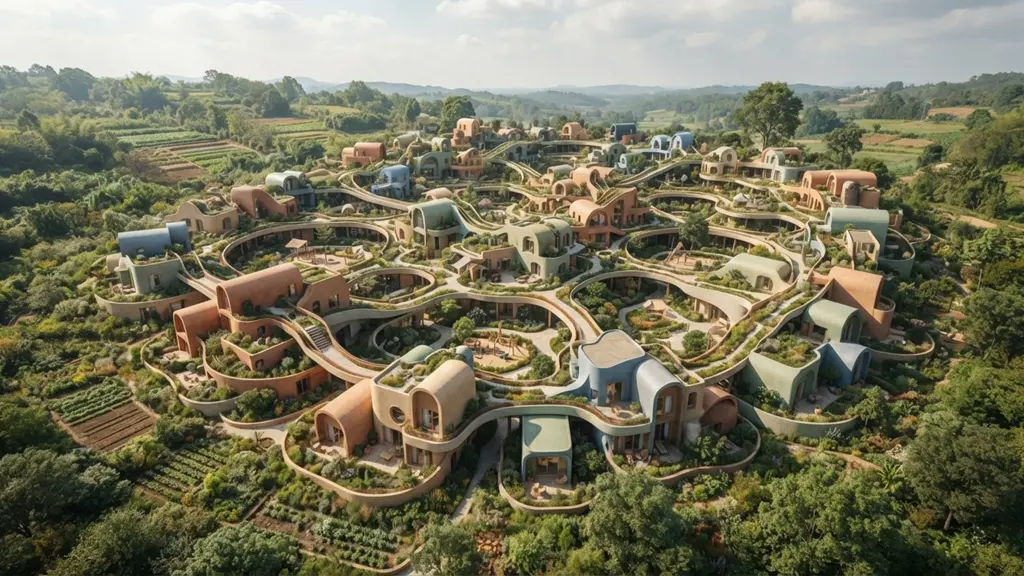
The burden of having to do everything alone is now a thing of the past. In 2026, ‘loose but strong’ community parenting has become a new trend. Methods of sharing childcare burdens through ‘Real-life village energy,’ such as carpool crews with neighbors, shared childcare with friends, and active grandparent involvement, are gaining attention.
Rather than filling a child’s schedule tightly as in the past, it is considered important to give children ample time to explore and grow on their own. This community parenting provides psychological stability for parents and offers children more diverse social interaction opportunities. Through a network of mutual help and support, parents overcome childcare difficulties together, and children establish a foundation for growing into healthy members of society.
| Community Parenting Type | Key Features | Expected Benefits |
|---|---|---|
| Carpool Crew | Sharing school transportation with neighbors | Time and cost savings, reduced parental commuting burden |
| Shared Childcare | Alternating childcare with friends or neighbors | Shared childcare burden, child’s social development |
| Grandparent Involvement | Grandparents caring for grandchildren and supporting education | Strengthened intergenerational bonds, emotional support |
| Parenting Community Activities | Information exchange and interaction through online/offline meetings | Acquisition of parenting information, formation of psychological empathy |
Changing Parental Roles and Challenges Amidst Economic Pressure

Today, parents face unprecedented economic pressure, which significantly impacts parenting styles and parental roles. Fathers, in particular, often wish to participate more actively in childcare but frequently conflict between economic instability and traditional cultural expectations. Globally, fathers are in a reality where they must balance the pressure of being the ‘primary provider’ responsible for the family’s livelihood with the desire to spend more time with their children.
This situation demands sacrifice and adaptation from both parents. Financial burdens limit the time and energy parents can dedicate to childcare, sometimes reinforcing traditional gender roles. However, many parents also demonstrate flexibility amidst these difficulties, leveraging their strengths to share childcare and household chores and create new forms of family models.
Child’s Self-Regulation Skills and Parental Co-regulation

One of the most notable changes in 2026 parenting trends is the shift from ‘behavior management’ to fostering self-regulation skills in children. While in the past, the focus was on parents controlling a child’s behavior and guiding them in a desirable direction, now it is considered important to help children develop the ability to understand and regulate their own emotions and solve problems.
This emphasizes the importance of ‘co-regulation,’ where parents teach children to recognize and express emotions healthily together, rather than simply giving unilateral instructions. When a child is frustrated or angry, parents, instead of just curbing the behavior, acknowledge the child’s feelings and explore solutions together, thereby building emotional resilience. This approach forms an essential foundation for children to grow into independent and healthy adults in the long term.
‘Decluttering’ Parenting: Minimalism and Practicality

In parenting, ‘decluttering’ is one of the important keywords for 2026. A minimalist parenting approach, which focuses on reducing unnecessary things and concentrating on what is truly important rather than excessively filling a child’s life, is gaining attention. This means moving away from overly packed children’s schedules and providing them with free time and space to explore and express creativity on their own.
Rather than buying many items indiscriminately, there’s a stronger tendency to provide only what is necessary according to a child’s developmental stage and to prefer practical items that can be used for a long time. This ‘decluttering’ parenting is positively evaluated for reducing the complexity of childcare for parents, lowering children’s dependence on material things, and helping them find essential happiness and satisfaction.
Ultimately, the 2026 parenting trends are the product of continuous efforts to provide a better quality of life for both parents and children. It is crucial to have a balanced perspective that wisely utilizes digital technology, strengthens bonds with the community, focuses on a child’s inner growth, and confronts economic realities. In a complex world, wisdom is needed to explore new parenting methods with flexibility and an open mind so that our children can grow up healthy and happy.