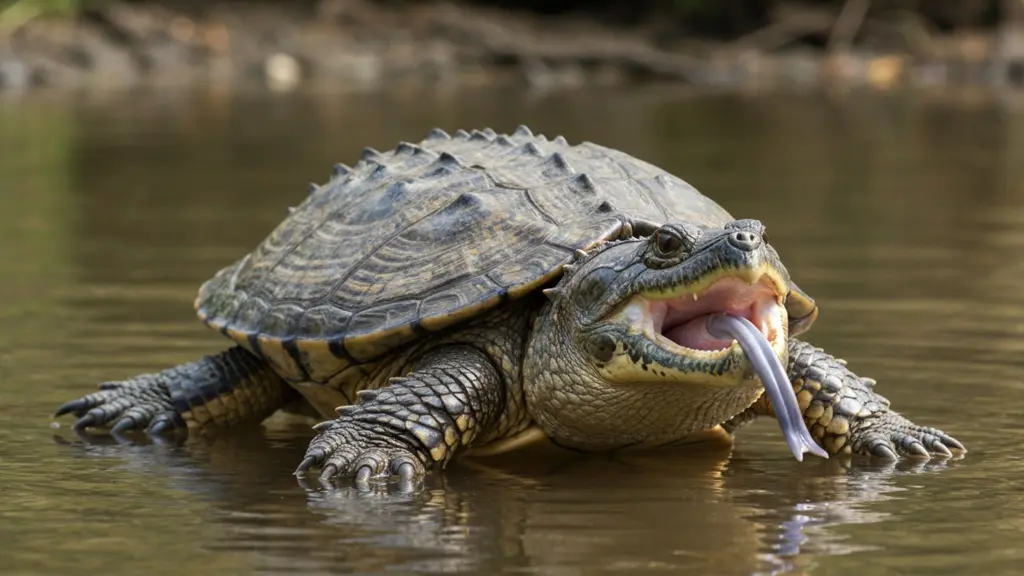
The recent discovery of a Siamese crocodile in a stream in Yeoju has caused a stir nationwide. During this process, an alligator snapping turtle, an internationally endangered species, was also found at the Siamese crocodile owner’s home, raising awareness about the management of alien species. In fact, the alligator snapping turtle has been designated as an Ecosystem Disrupting Species in Korea since 2020 and is strictly managed. Did you know that alien animals you unknowingly raise can threaten our ecosystem and even lead to legal penalties?
On this occasion, let’s take a closer look at what exactly an Ecosystem Disrupting Species is, why the alligator snapping turtle is included, and what the relevant laws are.
What Exactly is an Ecosystem Disrupting Species?
An Ecosystem Disrupting Species refers to a biological species that has been introduced from outside or is likely to significantly disrupt the balance of an ecosystem in a specific area, and is designated and announced by the Minister of Environment. They are selected after a risk assessment by the National Institute of Ecology in accordance with the 「Act on the Conservation and Use of Biodiversity」.
- Designation Criteria: Among alien species, those that disrupt or are likely to disrupt ecosystem balance, those that disrupt or are likely to disrupt ecosystem balance in a specific area, and genetically modified organisms that disrupt or are likely to disrupt ecosystem balance.
- Management Purpose: Conservation of domestic ecosystems and biodiversity, ensuring public safety.
Once designated as an Ecosystem Disrupting Species, import, introduction, breeding, cultivation, transfer, acquisition, storage, transportation, and release are completely prohibited, except in cases where permission has been obtained from the regional (basin) environmental office for purposes such as academic research, education, or exhibition.
Why Did the Alligator Snapping Turtle Become an Ecosystem Disrupting Species?
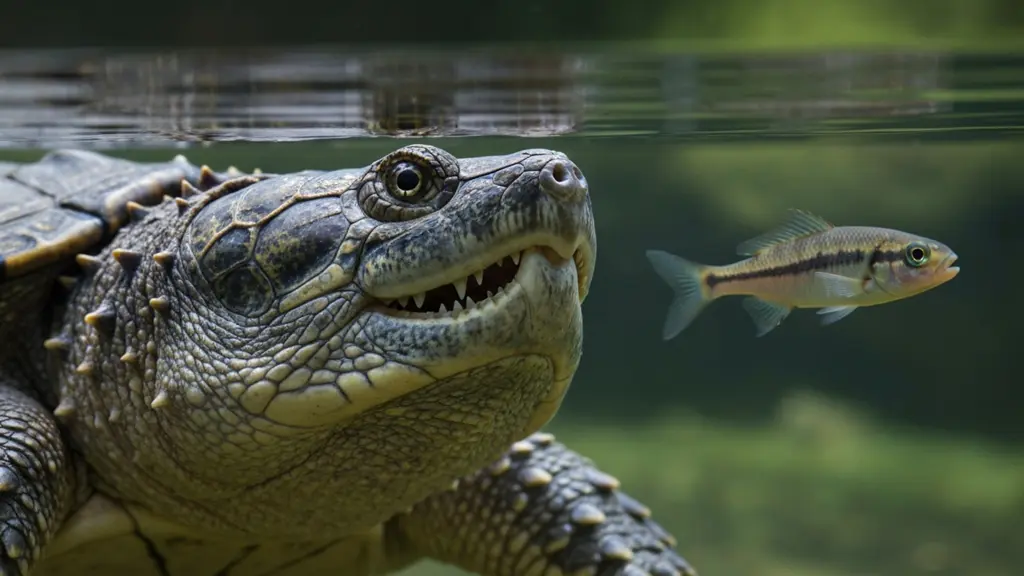
The alligator snapping turtle was additionally designated as an Ecosystem Disrupting Species on December 30, 2020, along with the Florida red-bellied turtle, the long-legged ant, and the American grasshopper. This was the result of being judged as highly dangerous, receiving a Grade 1 in the ecosystem risk assessment by the National Institute of Ecology.
The main reasons why the alligator snapping turtle was designated as an Ecosystem Disrupting Species are as follows:
- Long lifespan and excellent survival ability: With a long lifespan and excellent survival ability, if released into domestic rivers or ecological parks, it causes habitat competition with native species such as the Korean pond turtle and softshell turtle.
- Strong predatory nature: It is a fearsome predator that preys on fish, frogs, snakes, small mammals, and even other turtles.
- Potential for human harm: Although slow-moving, it has powerful jaw strength that can sever a finger if it attacks a person, raising significant concerns about human injury.
- Indiscriminate abandonment cases: Due to its unique appearance, it gained popularity as a pet, but due to its rapid growth and fierce personality, many owners were unable to manage it and abandoned it.
What Penalties are Imposed for Illegal Breeding and Abandonment?
Raising an alligator snapping turtle, designated as an Ecosystem Disrupting Species, without permission, or releasing, abandoning, or discarding it into the ecosystem, is strictly illegal. Violators will face severe penalties under the 「Act on the Conservation and Use of Biodiversity」.
- Penalties: Imprisonment for up to 2 years or a fine of up to 20 million Korean Won.
- For breeders before designation: If an alligator snapping turtle was being raised before its designation as an Ecosystem Disrupting Species, continued breeding was only permitted if approval was obtained from the competent regional environmental office within 6 months from the date of designation.
As seen in the recent case of the Siamese crocodile owner’s arrest, illegal breeding and abandonment of alien species are recognized as serious crimes that pose a significant threat to the ecosystem and public safety, beyond just a personal hobby.
To protect our natural environment and preserve biodiversity, a correct understanding of alien species and a responsible attitude are necessary. Rather than indiscriminately raising unknown alien species, it is important to check the list of designated species and comply with relevant laws. If you witness any illegal breeding or abandonment, you should not hesitate to report it to the authorities.