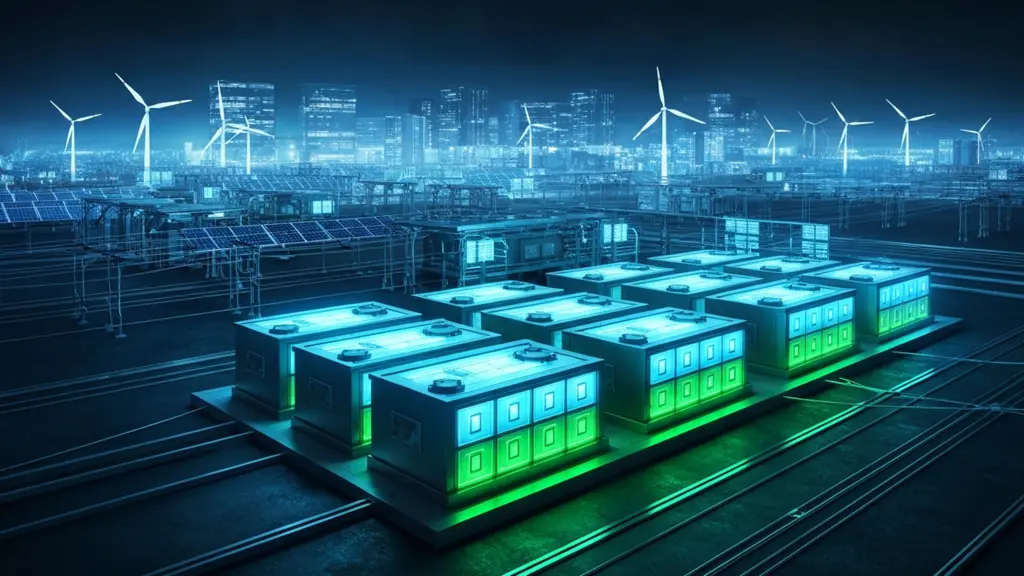
Recently, the movement of secondary battery-related stocks in domestic and international markets has been unusual. This is because the secondary battery industry, which once faltered due to concerns about slowing growth in the electric vehicle market, is once again receiving keen attention. In particular, with the explosive increase in artificial intelligence (AI) data centers and the intertwined need for power grid stabilization, the focus of the secondary battery market is rapidly shifting towards ESS. In a situation where terms like ‘chasm’ for the EV market have emerged, what new growth engines is the secondary battery industry truly finding?
The Rapid Rise of ESS Amidst a Slowdown in the EV Market
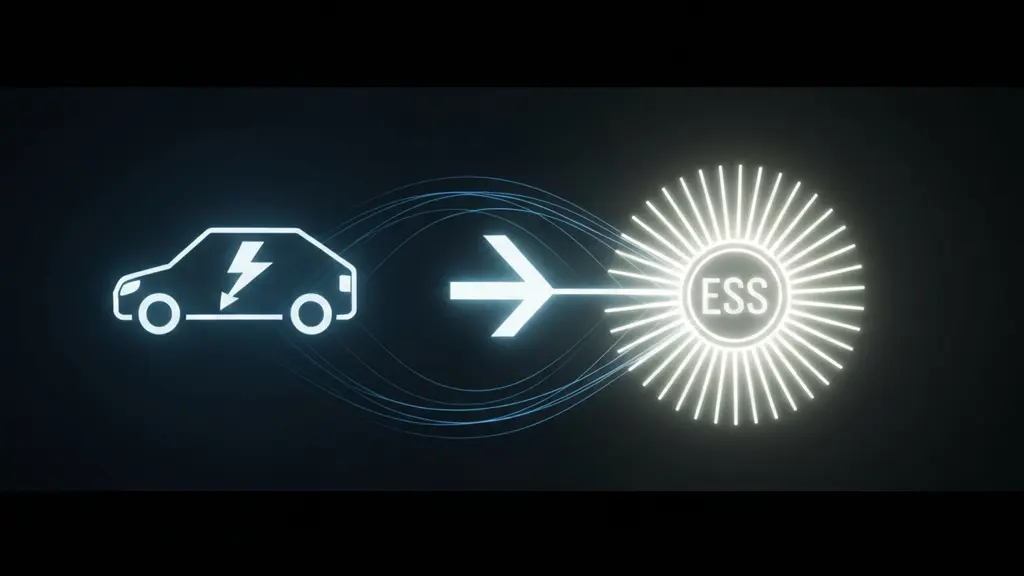
The prevailing analysis is that the growth of the electric vehicle market is not what it used to be. While European EV sales are showing a recovery, the US market is recording a decrease, indicating significant regional variations. Amidst this situation, ESS is emerging as a new pillar driving the secondary battery industry. In particular, new ESS installations in North America are showing steep growth, reaching an all-time high. This is because the expansion of AI data center construction generates enormous power demand, making the role of ESS crucial for efficient management and stable power supply.
US Policy Changes Drive ESS Market Growth
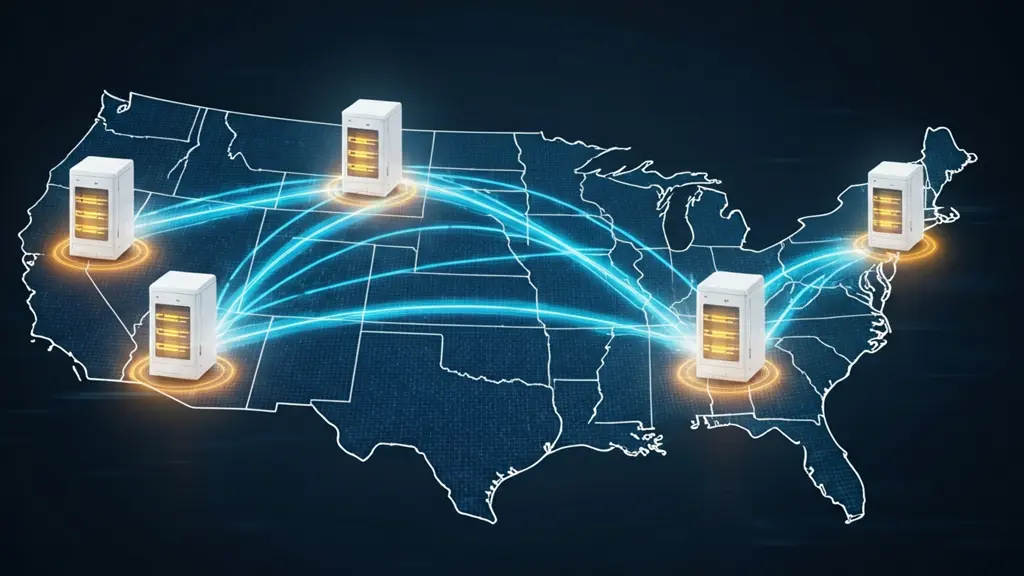
Changes in US government policy are a significant catalyst for ESS market growth. Substantial subsidies are being provided for finished ESS products to expand AI data center construction, which presents a great opportunity for domestic battery companies. In particular, with Chinese battery companies excluded from subsidy eligibility, an environment has been created where Korean companies with technological prowess and global production capabilities are bound to benefit. Furthermore, within Korea, government-led mega-projects focused on renewable energy and data center construction policies are gaining momentum, leading to an explosive increase in ESS battery demand both domestically and internationally.
Technological Innovation and the Emergence of New Battery Technologies

The secondary battery market is experiencing a new era through technological innovation, moving beyond mere quantitative growth. A KAIST research team has developed ultra-precision inspection technology for minute thickness irregularities in battery electrodes, contributing to reducing battery fire risks and improving quality. This technology is expected to be a key component in real-time quality control for next-generation lithium-ion batteries as well as solid-state battery production lines. Furthermore, in China, fierce competition in future technologies is unfolding, with support for R&D and industrialization through consumption tax exemptions for next-generation technologies such as sodium-ion batteries and solid-state batteries. These technological advancements are the driving force enabling the continuous growth of the secondary battery industry.
In conclusion, the secondary battery market is overcoming the challenge of slowing electric vehicle demand through the explosive growth of the ESS market and technological innovation. In particular, the proliferation of AI data centers and policy support from various governments are expected to further accelerate the growth of the ESS market. It will be quite interesting to observe what new changes the secondary battery industry will bring about in the future.