
During the summer vacation season, long-distance driving is exciting but also carries significant risks. Drowsy driving, in particular, can lead to consequences as fatal as drunk driving. An analysis by the Korea Expressway Corporation shows that 83% of highway fatalities in July over the past three years were caused by drowsy driving and inattentiveness, clearly demonstrating its severity. It’s easy to overlook, but crucial to know that prolonged use of air conditioning in ‘recirculation mode’ inside a closed vehicle can rapidly increase carbon dioxide levels, inducing drowsiness.
Fatigue and drowsiness can affect anyone while driving. Since a moment of inattention can lead to an irreversible accident, it’s important to develop habits of prevention and proper response. To ensure a safe summer vacation, you must be aware of and practice drowsy driving prevention methods.
Essential Preparations Before Long-Distance Driving
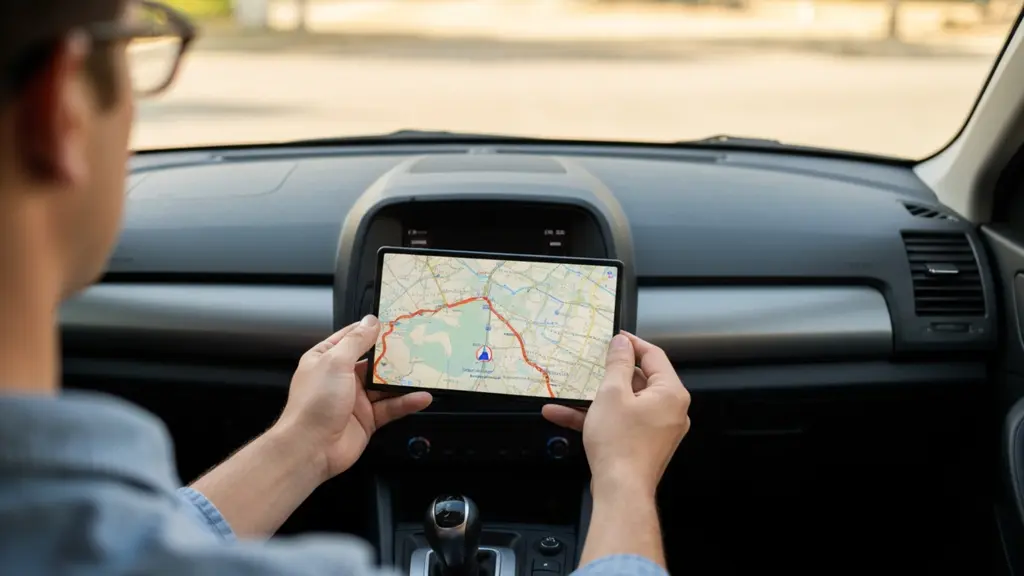
Before embarking on a long-distance drive, thorough preparation is essential. The most important thing is to avoid excessive drinking or overwork the night before and get sufficient sleep. You should completely relieve physical and mental fatigue by getting at least 7 hours of deep sleep. Additionally, when planning your drive, avoid overly ambitious schedules and allow for a 10-20 minute break every 2 hours.
- Ensure sufficient sleep: At least 7 hours of deep sleep the night before driving
- Plan your drive: Include breaks every 2 hours
- Drive with a passenger: Take turns driving if necessary
If you have a passenger, talking or taking turns driving is also a good method. It greatly helps in warding off drowsiness and maintaining concentration compared to driving alone.
Immediate Action When Drowsiness Occurs While Driving

If drowsiness strikes while driving, it’s crucial to take immediate action. Drowsiness can come without warning, so if your eyes momentarily close or your head nods, you might already be in a dangerous situation. The Korea Expressway Corporation advises opening windows periodically for ventilation to prevent drowsy driving, and if you feel fatigued or have been driving continuously for more than 2 hours, take a sufficient break at a nearby rest area or a designated ‘drowsy driver rest stop’.
- Use rest areas or drowsy driver rest stops: Take a 10-20 minute power nap
- Ventilate the vehicle interior: Open windows or use fresh air intake mode
- Light stretching: Move your body to promote blood circulation
- Chew gum, eat candy: Jaw movement and stimulation help prevent drowsiness
- Consume caffeinated beverages: Coffee, energy drinks, etc. (but do not over-rely)
Especially during summer, if you only use ‘recirculation mode’ with the air conditioner, carbon dioxide levels inside the vehicle can rapidly surge to 5000ppm in just 30 minutes. This can cause drowsiness, headaches, and decreased concentration, so you should switch to ‘fresh air intake mode’ for 1-2 minutes to circulate the indoor air.
Preventing Drowsy Driving with Advanced Technology

Recently, vehicles and auxiliary devices equipped with advanced drowsy driving prevention technology are helping drivers stay safe. Driver Monitoring Systems (DMS) analyze a driver’s eye movements, blink rate, and eye-closure time to detect drowsy driving and sound an alert.
- Driver Monitoring System (DMS): Driver gaze analysis and warning
- Drowsiness prevention alarm apps: Regular alarms or games to prevent drowsiness
- Drowsiness prevention patches/bands: Applied to the skin to induce alertness
- Smart Cruise Control: Maintains distance from the vehicle ahead and warns of lane departure
While these technologies are effective in reducing the risk of drowsy driving, it is wise to use them as supplementary tools rather than relying on them entirely. Ultimately, it is crucial to remember that the most important factors are the driver’s own vigilance and safe driving habits.
Drowsy driving is a serious issue that goes beyond simple carelessness, threatening the lives of oneself and others. By incorporating the prevention methods discussed today into your daily driving, you can create a safe and pleasant driving environment and complete your journey happily. Safety is always the top priority.