
In 2026, Korean society faces a complex crisis due to deepening demographic changes. According to Statistics Korea, the annual number of births in 2025 is estimated to be in the late 210,000s, once again breaking the record for the lowest ever, accelerating the pace of population decline. It is important to note that this is not merely a decrease in numbers, but a macroscopic background that is shaking the very foundation of our society.
Current Status of Population Decline in Korean Society

Korea’s population decline has already reached a serious level. Statistics Korea projects that the total fertility rate will fall to the early 0.7s in 2026, setting a new all-time low. This is far below the 2.1 births per woman needed to maintain the population. Concurrently, aging is accelerating, with the proportion of the population aged 65 or older exceeding 21%, which is widely regarded as a demographic turning point beyond entering a super-aged society. The working-age population (15-64 years old) is also continuously decreasing.
- Decline in Births and Total Fertility Rate: Annual births in 2025 estimated to be in the late 210,000s, setting a new record low; total fertility rate projected to be in the early 0.7s in 2026.
- Acceleration of Entry into Super-Aged Society: Proportion of population aged 65 or older exceeds 21%.
- Decrease in Working-Age Population: Approximately 36 million in 2025, a decrease of about 200,000 from 2024, with a projected decrease of about 250,000 annually over the next 10 years.
School-Age Population Cliff and Risk of Regional Extinction
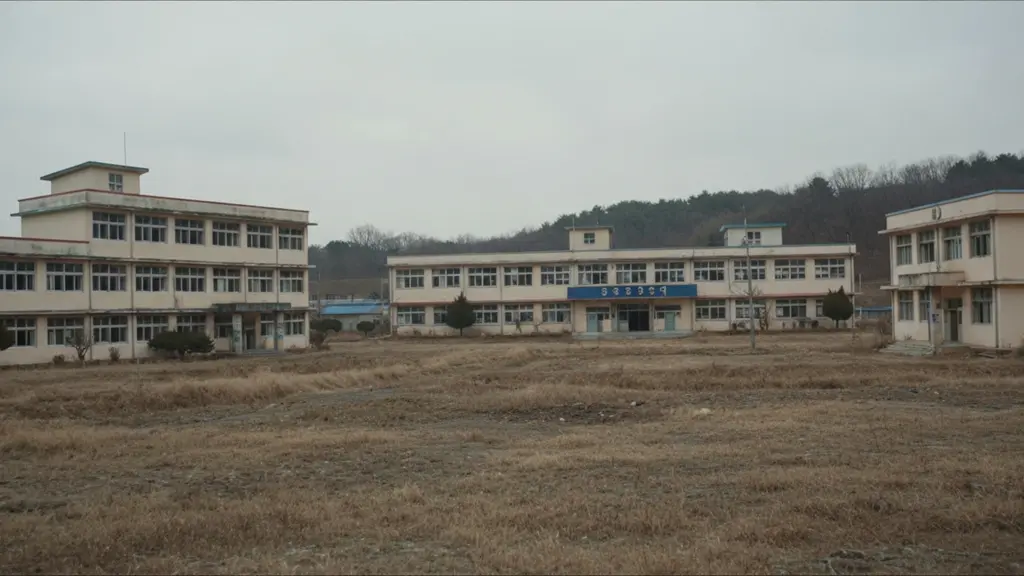
The low birth rate directly leads to a decrease in the school-age population, which in turn leads to the realistic crisis of regional extinction. In 2026, the number of elementary, middle, and high school students in Korea is estimated to fall below 5 million. In particular, the number of first-grade elementary school students is expected to fall below the 300,000 mark for the first time in 2026. The sharp decline in the school-age population in rural areas is making the ‘regional extinction’ crisis a reality, which is having a serious impact not only on the education system but also on the regional economy as a whole. Gyeonggi Province has embarked on a service to establish the ‘2nd Basic Plan for Responding to Population Decline Areas’ to address these population decline issues.
- Collapse of the 5 Million Mark for Elementary, Middle, and High School Students: Estimated at approximately 4.83 million in 2026.
- Collapse of the 300,000 Mark for First-Grade Elementary School Students: Projected to be 290,686 in 2026.
- Sharp Decline in Rural School-Age Population and Risk of Regional Extinction: Acceleration of population decline in non-capital regions.
- Gyeonggi Province’s Response Plan Initiated: Service underway to establish a basic plan for responding to population decline areas.
Impact on Economic and Social Systems

The issue of population decline is not merely a matter of numbers, but a structural crisis that shakes the very foundation of the economic and social systems. The continuous decrease in the working-age population leads to labor shortages across industries, raising concerns about a decline in economic vitality. The Korea Development Institute (KDI) analyzed that the decrease in the working-age population could lead to a contraction in labor supply, eventually dragging down the potential growth rate from the late 1% range in the mid-2020s to the early 1% range in the 2030s. Changes are also evident in the job market. While the number of wage-earning jobs for those aged 60 and over has significantly increased, exceeding the overall increase, wage-earning jobs for those aged 20 and under have decreased, creating a stark contrast. The low birth rate and aging population exacerbate the financial burden on social safety nets such as pensions and health insurance, and lead to decreased consumption and investment contraction, which are key factors hindering overall economic vitality.
- Labor Force Reduction and Decline in Potential Growth Rate: Decreased economic vitality due to a shrinking working-age population.
- Changes in the Job Market: Increase in jobs for those aged 60 and over, decrease in jobs for those aged 20 and under.
- Increased Financial Burden on Social Safety Nets: Threat to social security systems such as pensions and health insurance.
- Decreased Consumption and Investment Contraction: Hindrance to overall economic vitality.
The issue of population decline requires a policy shift that goes beyond short-term cash support, focusing on fundamental improvements in quality of life, including housing, education, and childcare infrastructure. The government continues to promote the ‘Basic Plan for a Low Birth Rate and Aging Society,’ but there is a strong call to acknowledge the limitations of existing policies and seek new approaches. The expansion of foreign labor, the establishment of new policy agencies such as an immigration office, their roles and effectiveness, and the process of seeking sustainable solutions through social consensus will be key points in the future. Amidst these changing trends, attention is focused on what wisdom our society will gather.