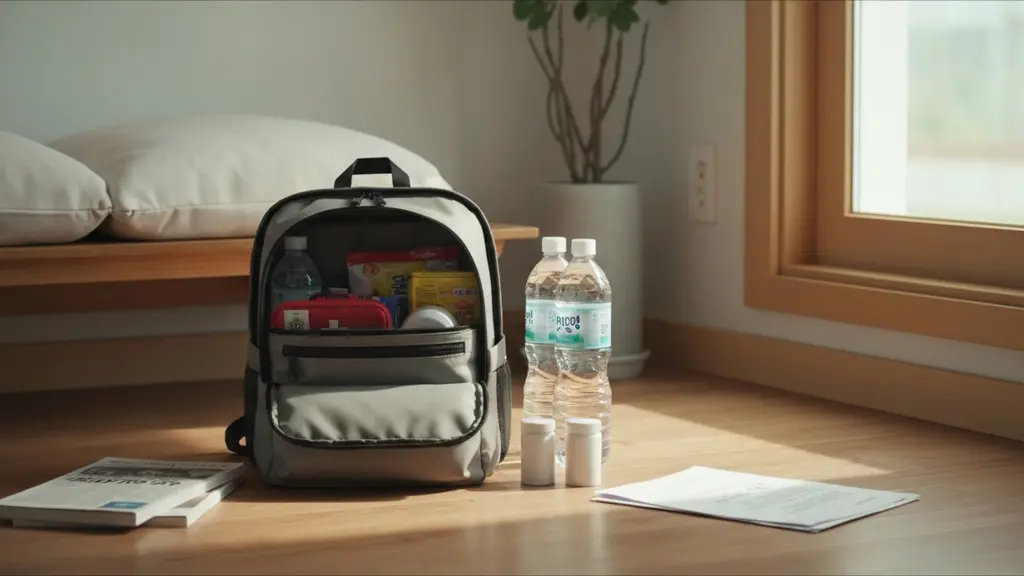
emergency supplies preparation Disasters can strike anywhere, anytime, without warning. Recently, the Ministry of Interior and Safety announced an expansion of disaster text messages to 157 characters, aiming to provide more specific disaster situations and action guidelines. This news makes us reflect once again on how negligent we have been in disaster preparedness. It means this is not just something to hear about in the news. The most basic preparation to protect your family and yourself is to properly equip emergency supplies. From now on, we must accurately understand and practice how to prepare emergency supplies.
Frankly, many people know the importance of emergency supplies but are at a loss as to where to start. It should never end with a few packs of ramen and a few bottles of water. True disaster preparedness begins with a systematic list and regular checks. In particular, a ’72-hour survival bag’ is key to enduring the golden hour for rescue after a disaster. Through this article, we will pinpoint the core of emergency supply preparation and learn how to pack a survival bag essential for our home.
Emergency Supplies: Essential List for at Least 3 Days of Survival
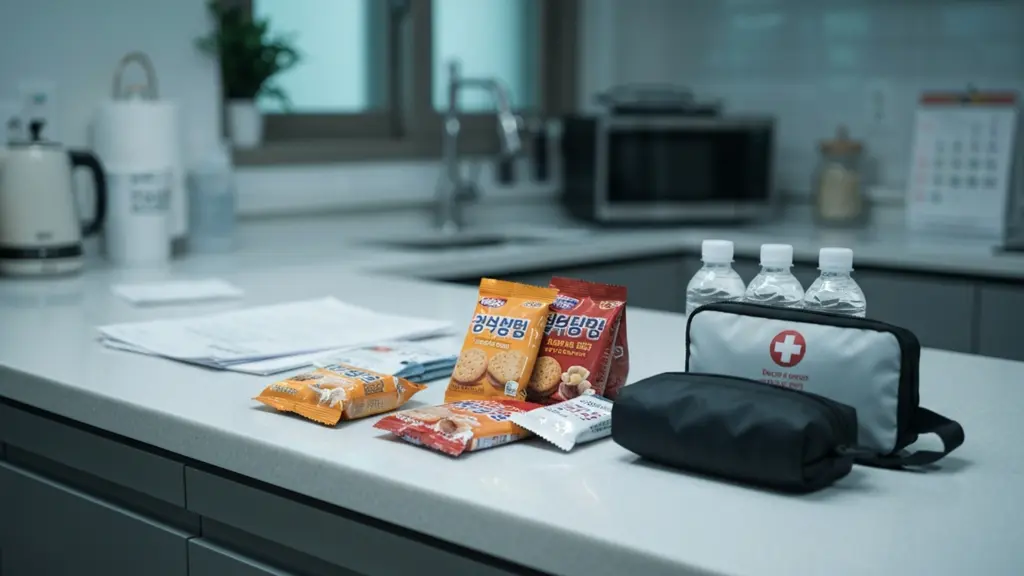
In an emergency, it is crucial to prepare supplies that allow you to be self-sufficient for at least 3 days, or 72 hours. This lays the foundation for you to survive until rescue teams arrive or the situation stabilizes. The following is a list of essential emergency supplies commonly recommended by various organizations, including the Ministry of Interior and Safety and the U.S. Federal Emergency Management Agency (FEMA).
- Water and Food: You should stock at least 1 gallon (about 3.78 liters) of water per person per day for 3 days or more. Prepare high-calorie emergency food that can be consumed immediately without cooking, such as canned goods and energy bars. Be careful, as foods like ramen that require a lot of water or have high sodium content can actually cause thirst.
- First-Aid Kit: Basic medicines and hygiene products such as disinfectants, fever reducers/pain relievers, digestive aids, bandages, band-aids, antibiotic ointment, and burn ointment are essential. If any family member has a chronic illness, be sure to include a week’s supply of prescription medication and regularly check and replace expiration dates.
- Other Survival Items: Include a flashlight and extra batteries, a battery-powered radio (for receiving disaster broadcasts), a whistle, an emergency blanket, a multi-tool knife, cash (small denominations), copies of important documents (stored in a waterproof container), and personal hygiene items (toilet paper, wet wipes, hand sanitizer).
Based on this list, you should immediately check the emergency supplies your family needs and fill in any deficiencies.
Packing a Survival Bag: Tips for Both Mobility and Practicality

In preparation for a situation where you might need to leave your home during a disaster, it is wise to prepare an ’emergency survival bag’ in advance. A sturdy, easy-to-carry, large-capacity backpack is suitable for a survival bag, and it is recommended to prepare a bag for each family member. Refer to the following tips when packing your bag:
- Minimize Weight and Volume: Select only necessary items and utilize compact and efficient products such as compressed food or portable water filters. Instead of heavy water bottles, it is much more practical to store several 500ml water bottles separately or prepare a portable water filter.
- Consider Seasonal Items: Blankets, extra clothes, hats, and gloves should be prepared considering the season and regional characteristics. Especially if you live in a cold region, you should pay more attention to insulation.
- Important Documents and Cash: It is essential to store important personal documents such as passports, birth certificates, insurance policies, and financial account information on a USB or as copies in a waterproof container, and to prepare a small amount of cash for emergencies. The possibility of payment system disruption should always be kept in mind.
Remember to store your survival bag near the front door or in your car for easy access, and to check the expiration dates and condition of items every 6 months, replacing them as needed.
Long-Term Storage and Management of Emergency Food: Expiration Date Check is Vital
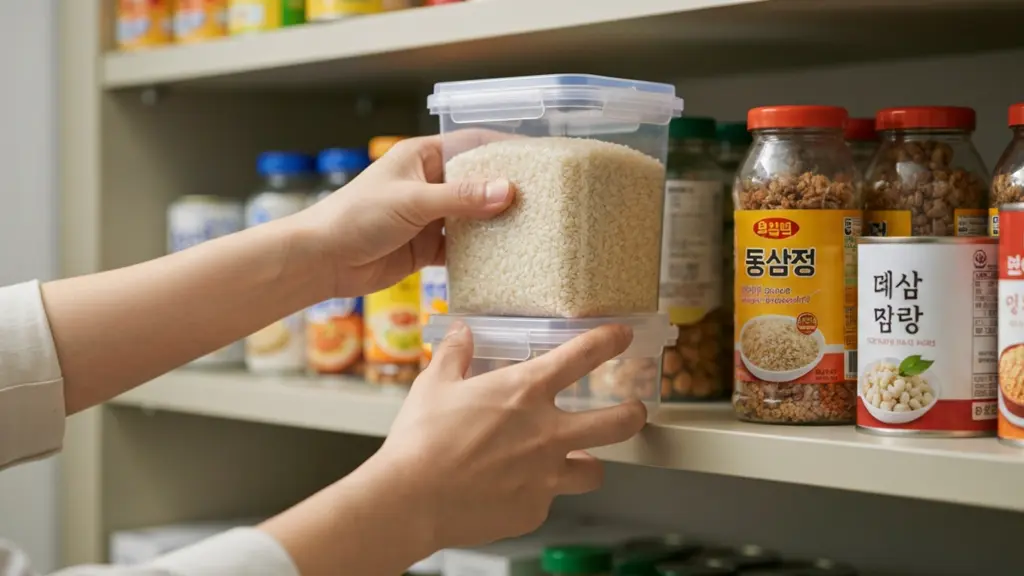
Emergency food should not simply be stockpiled but managed systematically. The key is to choose emergency food that can be stored for a long time and to meticulously check expiration dates. Here are tips for managing emergency food:
- Foods Suitable for Long-Term Storage: Foods with low moisture content that make microbial growth difficult, such as rice, dried noodles, canned goods, misutgaru (roasted grain powder), hardtack, and skim milk powder, are advantageous for long-term storage. Some compressed foods can be stored for over 5 years.
- Sealing and Storage Environment: Emergency food can have its preservation period extended by being placed in airtight containers or double zipper bags with oxygen absorbers and desiccants. It is important to store them in a cool, dry place away from direct sunlight.
- Rotation Principle: Practice ‘rotation consumption’ by periodically using emergency food for regular meals before its expiration date and replacing it with new stock. This way, you can always maintain fresh and safe emergency food.
You should develop a habit of regularly checking the expiration dates and functionality of all emergency supplies, including not only emergency food but also over-the-counter medicines and batteries, and replacing them when necessary. These small efforts make a big difference in a crisis.
Start Preparing Emergency Supplies Right Now
Even if not an extreme situation like nuclear war, natural disasters or unexpected accidents can happen at any time. Although the government’s disaster text message system is becoming more sophisticated, ultimately, protecting your own safety is most important. Based on the emergency supply preparation methods and survival bag packing tips we’ve covered today, check your home’s emergency supply list right now and fill in any deficiencies. Disaster preparedness is not an option, but a necessity. You must establish a minimum safety net for yourself and your family right now.