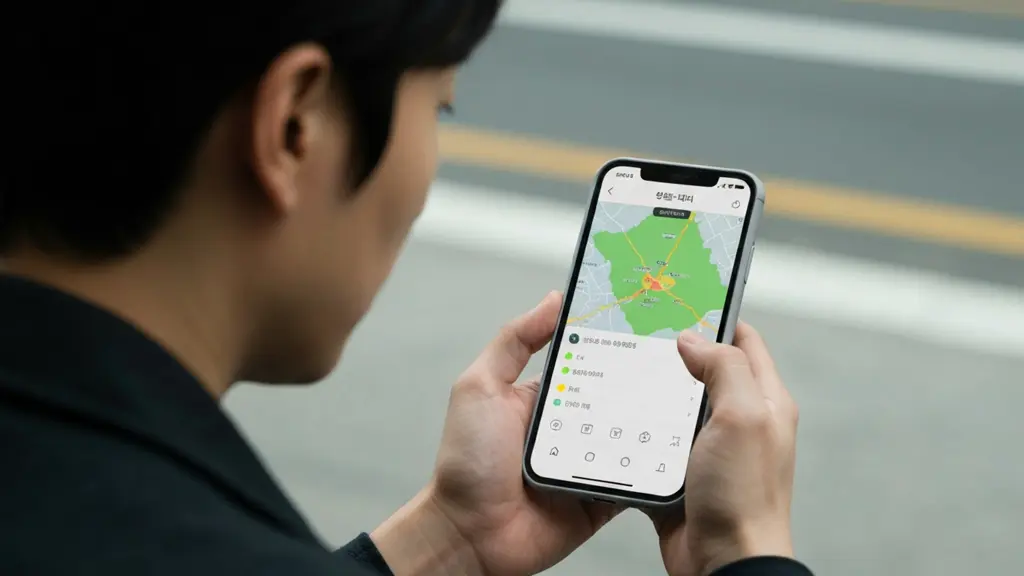
fine dust concentration check On bright spring days, going outside can be daunting due to the onslaught of fine dust and yellow dust. Unlike in the past when we were busy washing up as soon as we got home, it’s now common sense to prepare in advance. So, is the air in our neighborhood okay today? If you’re worried about being hit with a fine dust bomb if you go out unnecessarily, checking the fine dust concentration is essential. Real-time monitoring of fine dust levels and understanding forecasts has become the most basic action for a healthy daily life.
Where to Check Real-time Fine Dust Concentration?
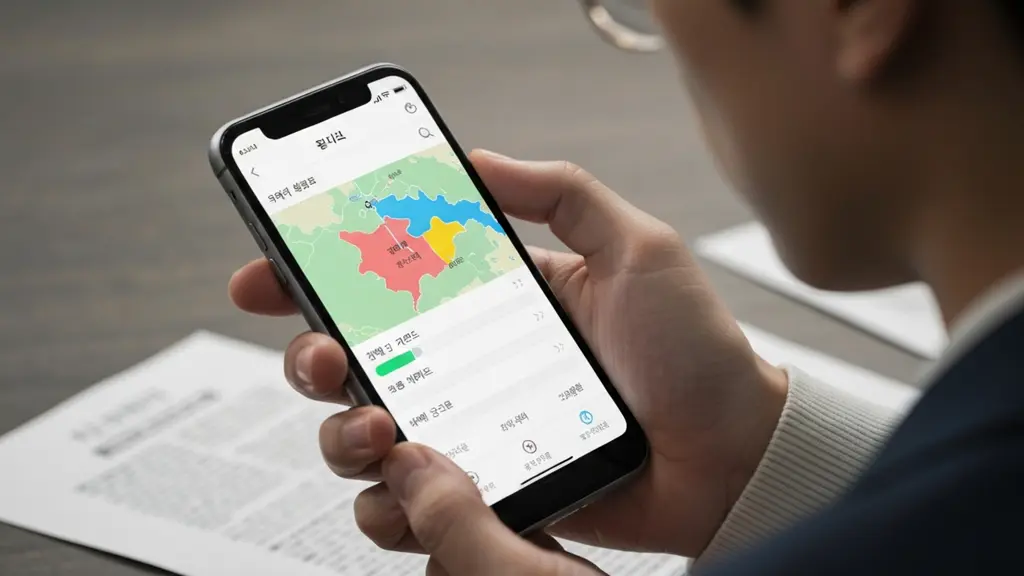
The most accurate and reliable way to check real-time fine dust concentration is undoubtedly Air Korea. Air Korea is a real-time air pollution information service operated by the Korea Environment Corporation, providing data from 671 air quality monitoring stations nationwide. By accessing the Air Korea website, you can view the national air quality map at a glance and check air pollution information such as fine dust and ozone based on your current location. In particular, it is very useful as you can receive fine dust forecasts, warning alerts, and even disaster notifications.
- Air Korea Website: Access via PC or mobile web browser to check national real-time air quality status and forecasts.
- Air Korea App: Install the app on your smartphone to check real-time concentrations and forecasts at a glance, and conveniently receive information with notification settings.
- Korea Meteorological Administration Weather Nuri: The Korea Meteorological Administration website also provides air quality information, including fine dust (PM10), ultrafine dust (PM2.5) concentrations, and ozone concentrations.
How to Interpret Fine Dust Forecast Grades?

- Good: 0~30㎍/㎥ (PM10 standard), 0~15㎍/㎥ (PM2.5 standard)
- Normal: 31~80㎍/㎥ (PM10 standard), 16~35㎍/㎥ (PM2.5 standard)
- Bad: 81~150㎍/㎥ (PM10 standard), 36~75㎍/㎥ (PM2.5 standard)
- Very Bad: 151㎍/㎥ or more (PM10 standard), 76㎍/㎥ or more (PM2.5 standard)
2026: What are the Changing Fine Dust Management Standards?

- Strengthening of annual average ultrafine dust standards: Existing 15㎍/㎥ to be lowered in line with WHO recommendations.
- Strengthening of indoor standards for multi-use facilities: Indoor ultrafine dust standards for libraries, museums, large stores, academies, etc., to be strengthened from 50㎍/㎥ to 40㎍/㎥ (effective January 1, 2026).
- Strengthening of air quality notification service: Fine dust status to be displayed in ‘Good/Bad’ stages for easy understanding by the elderly, and automatic guidance on action guidelines.