
zero-sugar drinks health effects Zero-sugar drinks and their health impact – it seems ‘zero’ is everywhere these days. Zero-sugar beverages, which you can enjoy guilt-free because they contain no sugar, have become an indispensable part of daily life. For those on a diet or concerned about their health, they seemed like the perfect alternative, allowing them to indulge their sweet tooth without guilt. However, recent research findings are sounding serious alarms about the zero-sugar drinks we’ve blindly trusted. Are zero-sugar drinks truly safe?
We must now confront the fact that zero-sugar drinks, which we consumed without worry simply because they had no calories, can have unexpected effects on our health. In particular, research suggesting they can lead to impaired brain function, disrupt gut health, and even affect future generations is shocking. From now on, let’s thoroughly examine the true health impacts of zero-sugar drinks and learn how to deal with them wisely.
Zero-Sugar Drinks, The Two Faces of Artificial Sweeteners: Zero Calories, But What About Side Effects?
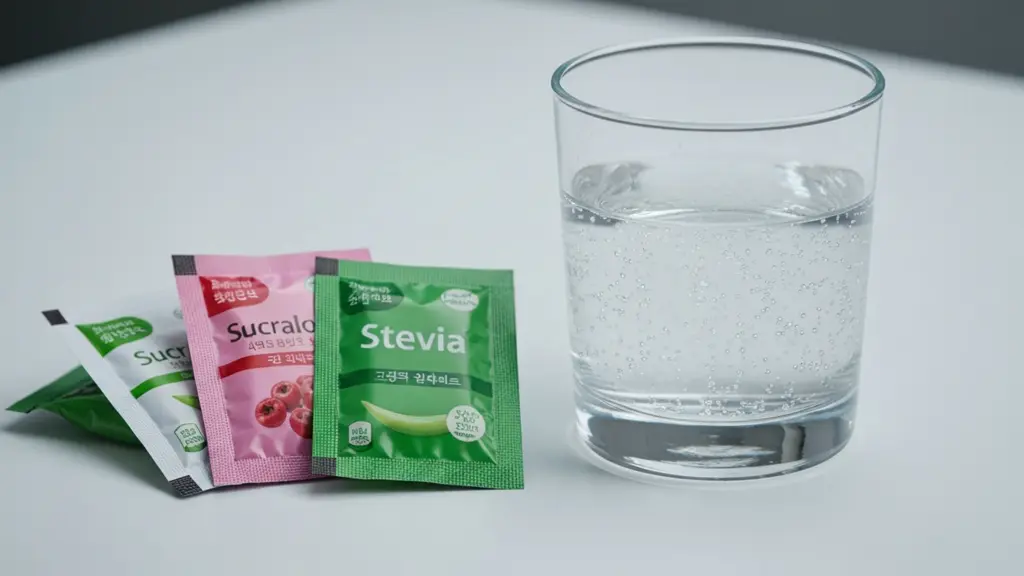
The core of zero-sugar drinks lies in the ‘artificial sweeteners’ used instead of sugar. Sucralose, aspartame, acesulfame potassium, stevia, allulose, erythritol, and xylitol are typical examples. They offer a sweetness hundreds of times stronger than sugar while containing almost no calories, making them widely used across the food industry. However, these artificial sweeteners are not entirely beneficial.
Initially, they were thought to reduce concerns about tooth decay, but recent studies suggest that the acidity of zero-sugar drinks can negatively impact dental health. Furthermore, some sugar alcohol sweeteners can cause gastrointestinal symptoms such as bloating, diarrhea, and abdominal pain if consumed in excess. We must not overlook the potential side effects hidden behind the sweetness. Check the ingredient list of your zero-sugar drink right now.
From Gut Health to Brain Function: Unexpected Risks of Zero-Sugar Drinks

The real problem with zero-sugar drinks emerges in their impact on gut health and brain function. Several studies warn that artificial sweeteners can disrupt the gut microbiome ecosystem, leading to an imbalance where beneficial bacteria decrease and harmful bacteria increase. Such changes in the gut environment can lead to various health problems, including indigestion and abdominal obesity.
Even more shocking is the link to impaired brain function. An 8-year follow-up study by a research team at the University of São Paulo, Brazil, found that groups who consumed large amounts of artificial sweeteners experienced a much faster decline in cognitive function, equivalent to brain aging being accelerated by approximately 1.6 years. Furthermore, some research indicates that drinking just one artificial sweetener-added beverage a day can increase the risk of developing type 2 diabetes more than regular sugary drinks. To protect yourself from such unexpected health risks, you should review your zero-sugar drink consumption habits immediately.
The Ministry of Food and Drug Safety Says They’re Safe, So How Should We Drink Them?

Of course, the Ministry of Food and Drug Safety (MFDS) states that the sweetener intake level of the Korean population is within a safe range, at a maximum of 12.71% of the Acceptable Daily Intake (ADI). They also plan to strengthen sweetener usage standards to align with international standards and prevent excessive use. However, the World Health Organization (WHO) has drawn a line, stating that it does not recommend the use of artificial sweeteners for weight control or reducing the risk of non-communicable diseases.
Ultimately, we must be wary of perceiving zero-sugar drinks as ‘unconditionally safe health beverages.’ Experts recommend carefully checking ingredient labels, choosing natural foods whenever possible, and consuming zero-sugar drinks restrictively when needed, with water or unsweetened beverages as the primary choice. Those with intestinal diseases, in particular, should avoid products containing sugar alcohol sweeteners. To make wise choices for your body, compare the ingredients and risks of zero-sugar drinks right now.
Zero-sugar drinks have long dominated our tables, but the health impacts hidden beneath remain a hot topic of debate. Rather than being swayed by the phrase ‘zero calories,’ we must carefully consider their long-term effects on our bodies. A healthy diet ultimately begins with smart choices. Check out a healthy beverage selection guide right now to choose the healthy drinks that are right for you.