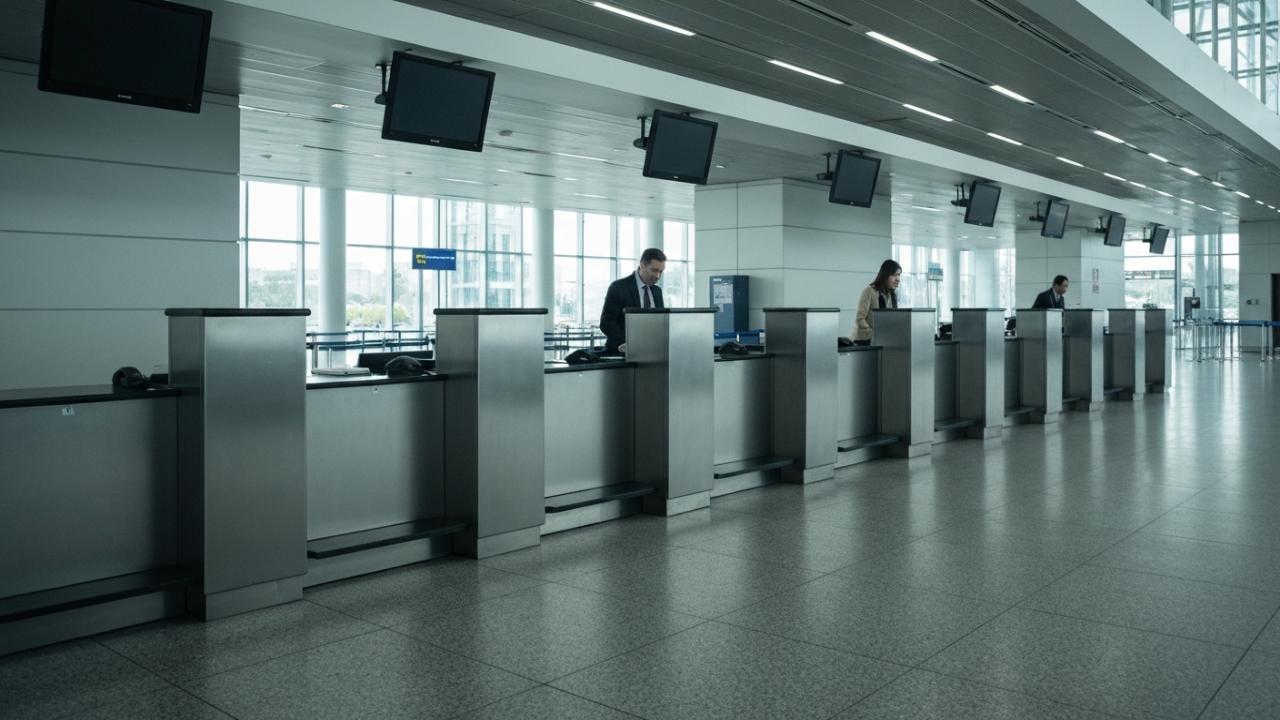
Spirit Airlines closure On May 2, 2026, Spirit Airlines, a prominent U.S. low-cost carrier (LCC), abruptly announced the cessation of its operations after 34 years. This news came like a bolt from the blue, creating an unprecedented situation where countless passengers and approximately 17,000 employees suddenly found themselves without jobs. A combination of adverse factors, including the failed merger with JetBlue, the collapse of bailout negotiations, and a surge in jet fuel prices due to the Iran War, ultimately led to the disappearance of an aviation industry icon.
Spirit Airlines had significantly impacted the industry by lowering travel barriers and pioneering the ‘unbundle’ fare model. Its sudden and anticlimactic demise inevitably raises fundamental questions about the future of the low-cost airline market.
Spirit Airlines: The Sudden End of a 34-Year History

The announcement of Spirit Airlines’ closure shocked many. Passengers, especially those who learned the news on the day operations ceased, experienced significant chaos at airports, scrambling to find alternative flights or secure refunds. The company promised automatic refunds for direct credit card bookings, but actual deposits are expected to take a considerable amount of time.
- Mass Layoffs: Approximately 17,000 employees learned of their termination through media reports, with even veteran staff with over 25 years of service not exempt.
- Passenger Chaos: The sudden halt in operations stranded hundreds of thousands of passengers at airports nationwide, with some enduring overnight stays and significant inconvenience.
- Mileage Expiration Risk: ‘Free Spirit’ loyalty program miles were immediately suspended, and their fate will be determined through bankruptcy proceedings, effectively putting them at risk of expiration.
Multiple Factors Leading to Closure

The downfall of Spirit Airlines cannot be attributed to a single cause. Multiple adverse factors combined to ultimately drive the company into bankruptcy. One of the most significant factors was undoubtedly the surge in jet fuel prices triggered by the Iran War. The sharp rise in international oil prices astronomically increased airlines’ operating costs, which proved fatal for a low-cost carrier.
- Jet Fuel Price Surge Due to Iran War: The war’s impact caused international oil prices to skyrocket, leading to a surge in jet fuel costs, which became a decisive factor in accelerating Spirit Airlines’ financial difficulties.
- Failed Merger with JetBlue: The proposed merger with JetBlue in 2023 was blocked by a federal court’s antitrust lawsuit in 2024, eliminating the last hope for resolving the company’s financial woes.
- Collapse of Bailout Negotiations: Negotiations for a multi-hundred-million-dollar bailout with creditors ultimately failed, preventing the company from securing additional liquidity to sustain operations.
Warning Signs for the Low-Cost Airline Industry: What’s Next?

Spirit Airlines’ closure is not merely the problem of one company. It serves as a warning sign for the entire low-cost carrier (LCC) industry. This event starkly exposed the structural vulnerabilities of LCCs amidst high oil prices, economic downturns, and fierce competition. Some analysts suggest that this incident will trigger a full-scale restructuring of the entire U.S. aviation industry.
- Competitors Offer ‘Rescue Fares’: Major airlines such as American Airlines, United Airlines, Delta Air Lines, and Southwest Airlines stepped in to manage the chaos by offering discounted tickets or increased flights for Spirit Airlines passengers.
- Industry-Wide Liquidity Crisis: Other airlines are also facing emergencies, considering route reductions or fare increases due to rising fuel costs.
- Highlighting Low-Cost Model Limitations: The collapse of Spirit Airlines, a pioneer of the ‘unbundle’ model, once again underscored the fundamental limitations of the low-cost airline model and its vulnerability to external shocks.
The closure of Spirit Airlines is more than just the story of one airline; it vividly demonstrates how rapidly changing international political and economic situations can have a devastating impact on businesses. It remains to be seen how the low-cost airline market will be reshaped and what choices consumers will make in the future.