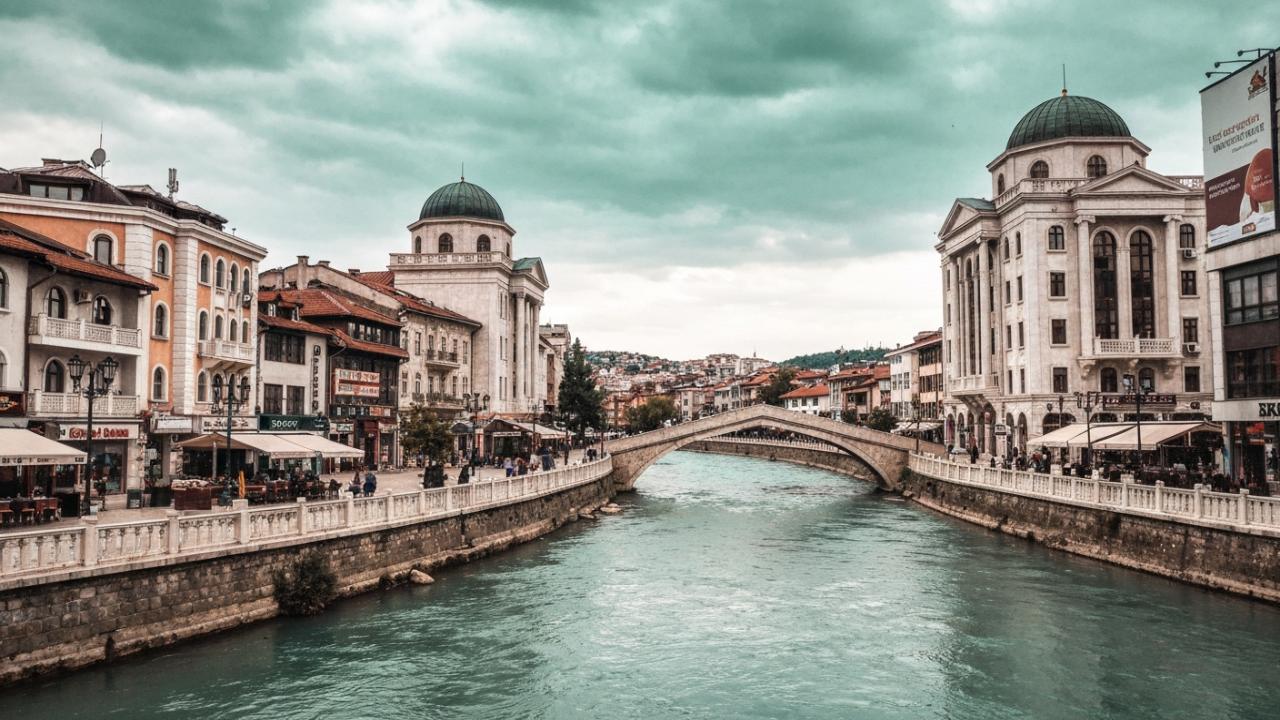
Skopje North Macedonia I traveled to Skopje, North Macedonia, the heart of North Macedonia and a constantly evolving city where ancient heritage harmoniously blends with modern sensibilities. The hometown of Mother Teresa, this city has truly experienced a tumultuous history, from ancient Rome and socialist Yugoslavia to the present day. In fact, if I were to define this city in one word, ‘enduring resilience’ would be the first phrase that comes to mind. Through earthquakes, wars, and the rise and fall of empires, Skopje has repeatedly collapsed and risen again, adding its own unique colors.
It’s not just a city that preserves old ruins. Skopje’s survival strategy, constantly seeking change to survive and build a better tomorrow, leaves a deep impression on travelers. We delve into the secret of this tenacious vitality, exploring how the city has preserved and reinvented itself over such a long period.
Skopje’s Past Forged by Earthquakes and Empires
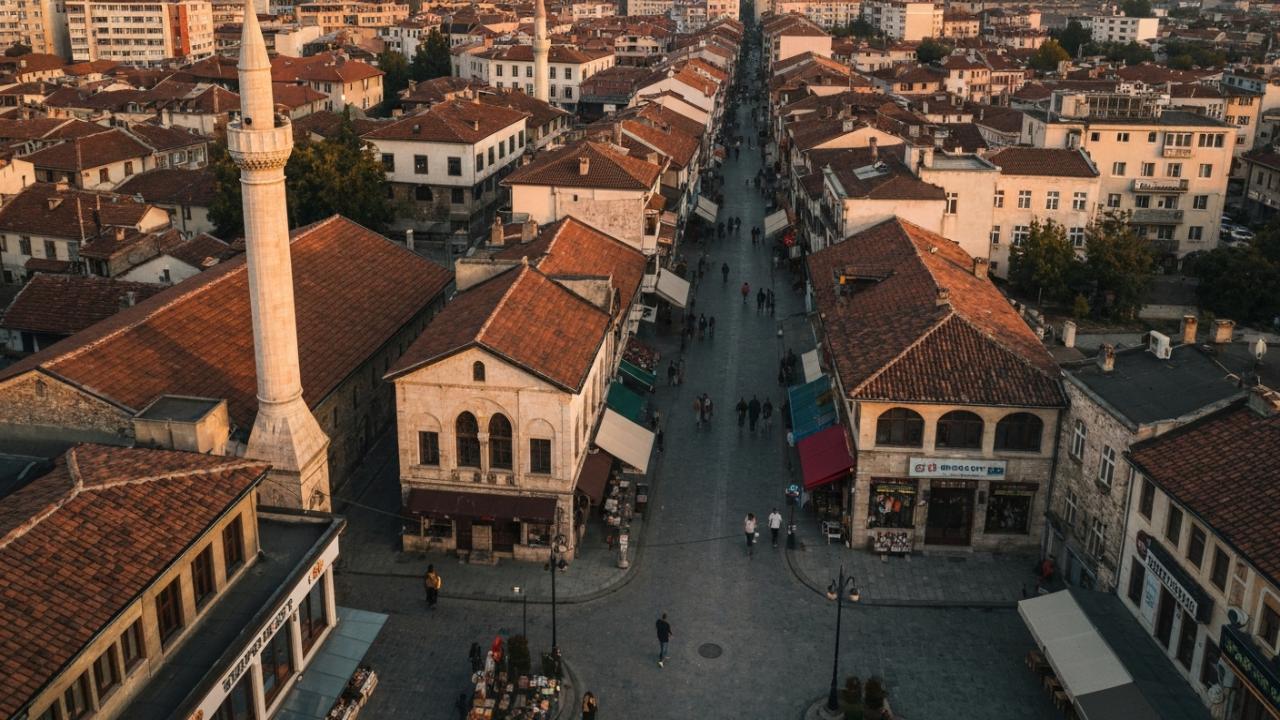
Skopje’s history is truly a continuous cycle of disaster and reconstruction. Appearing in history in the 4th century BC under the name ‘Scupi,’ it prospered as an international city during the Roman Empire, but suffered a tragic fate in 518 AD when a magnitude 7.5 earthquake completely destroyed the entire city. Although it was restored by Emperor Justinian I, it subsequently faced constant invasions from powerful neighboring states like Bulgaria and Serbia.
In particular, over 500 years of Ottoman rule, which began in 1392, profoundly influenced Skopje’s appearance. The Old Bazaar, the city’s old quarter, still retains the traces of that era, showcasing a vibrant market. However, trials continued into modern times. The magnitude 6.1 earthquake in 1963 once again reduced Skopje to ruins, causing over 1,000 deaths. The clock stopped at 5:17 in the City Museum serves as a silent message to never forget the tragedy of that day.
- 518 AD Great Earthquake: The entire city was destroyed but restored by Emperor Justinian I.
- Ottoman Rule: Lasted over 500 years, leaving strong traces of Islamic culture in the Old Bazaar.
- 1963 Earthquake: The city suffered significant damage again, and the pain of that time is recorded in the Museum of the City of Skopje.
The Legacy of the Controversial ‘Skopje 2014’ Project
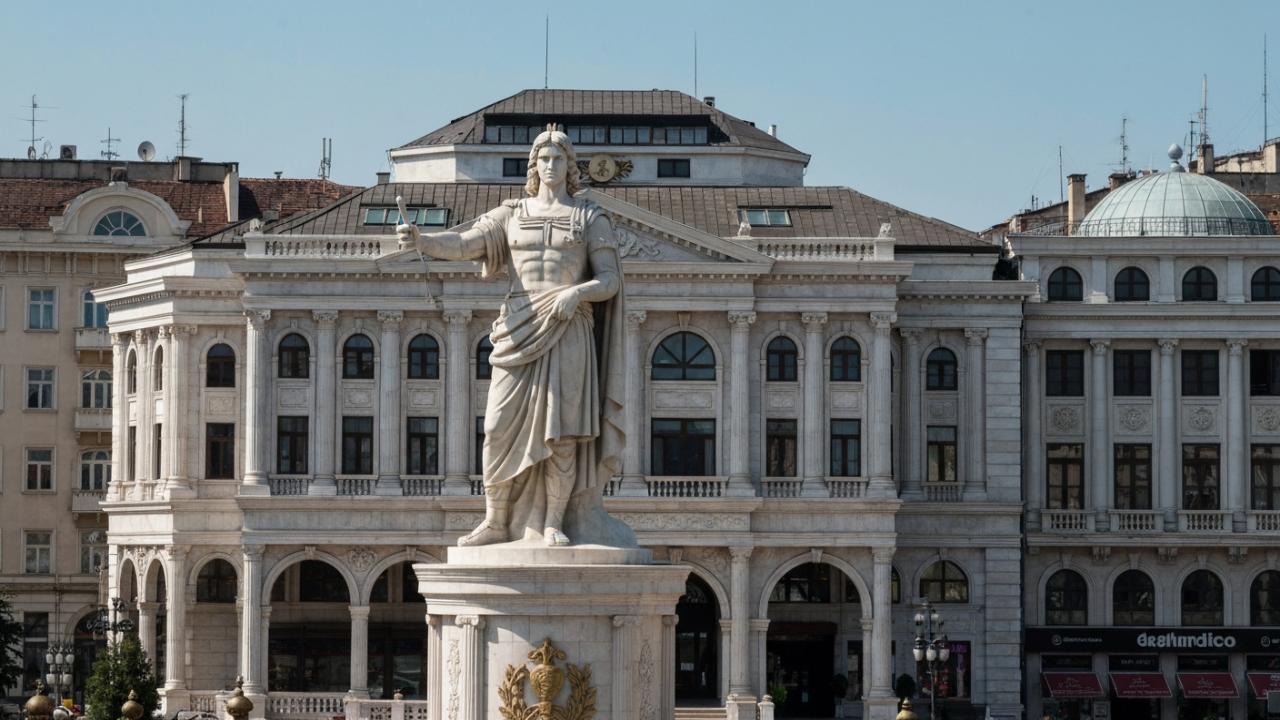
After being rebuilt with modern architecture following the 1963 earthquake, Skopje embarked on the government-led ‘Skopje 2014’ project in 2010. This project officially aimed to give the capital city of Skopje a classical image and create an earthquake-resistant city. Numerous museums, government buildings, and over 40 monuments and statues were erected or reconstructed throughout the city. Notable examples include the colossal equestrian statue of Alexander the Great and the Olympia Fountain.
However, this project was embroiled in considerable controversy from the outset. Along with the enormous cost, ranging from 80 million to 500 million Euros, there were persistent criticisms of it being an attempt to strengthen nationalist identity. Nevertheless, the project can be seen as another struggle for recovery, demonstrating Skopje’s tenacious will to re-establish the city’s identity after the destruction and loss it experienced. As a result, Skopje now boasts a unique urban landscape rarely seen elsewhere in Europe.
- Project Goals: The official goals were to give Skopje a classical image and make it an earthquake-resistant city.
- Key Outcomes: The equestrian statue of Alexander the Great (‘Warrior on a Horse’), the Olympia Fountain, numerous museums, and neoclassical buildings were constructed or reconstructed.
- Main Criticisms: Criticisms were raised regarding the enormous construction costs and excessive nationalist attempts.
The Vardar Riverfront: Skopje’s Vitality Living in the Present
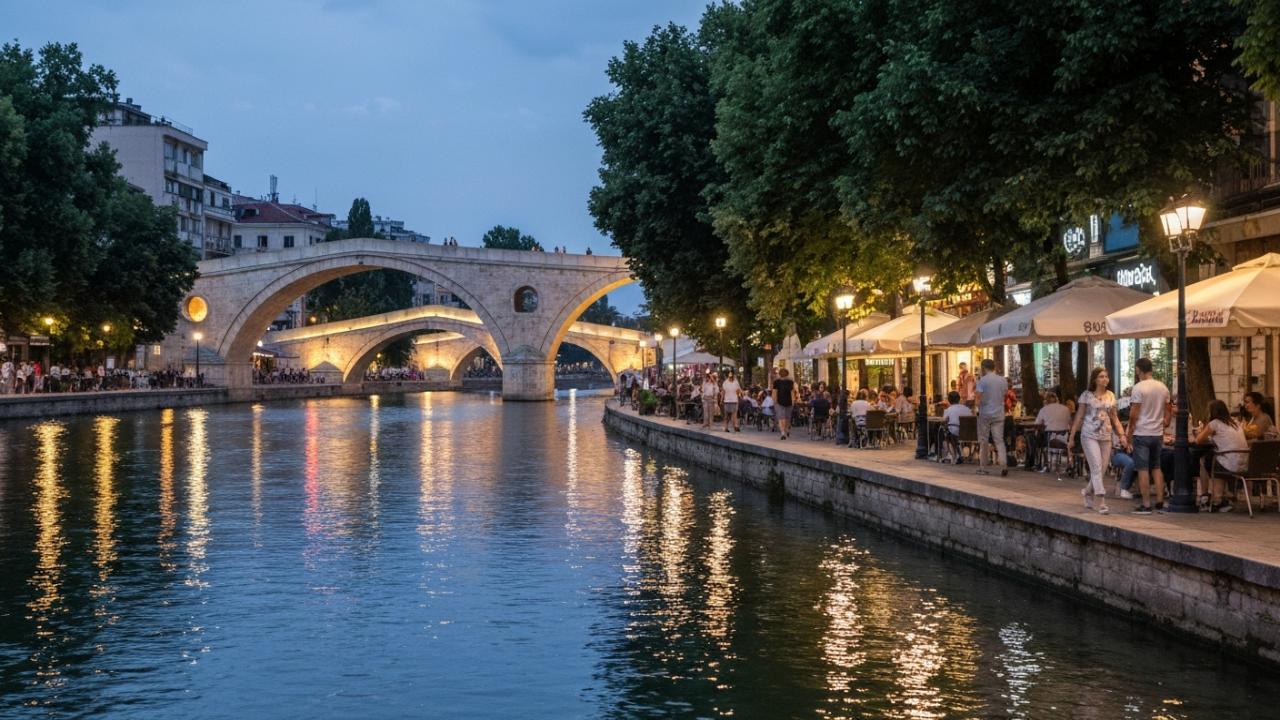
Amidst the unique landscape created by historical traces and controversial reconstruction projects, Skopje is full of vitality, living in the present. The Stone Bridge, spanning the Vardar River, connects the oriental atmosphere of the Old Bazaar with the Western modern architecture of Macedonia Square, symbolizing the coexistence of two eras.
Along the riverfront, cafes and restaurants are lined up, where locals leisurely spend their time, adding to Skopje’s unique vibrancy. In particular, the Mother Teresa Memorial House is a moving space commemorating her devoted life, attracting many visitors. North Macedonian cuisine boasts rich flavors influenced by the Balkans, Turkey, and Greece, and tasting traditional dishes like Tavče Gravče or local beer is an unmissable experience here. The atmosphere of this city is truly ‘value for money.’ Travel costs are also relatively low, so you can even save money, making it worthy of being called a hidden gem of the Balkans.
- Old Bazaar & Macedonia Square: Centered around the Stone Bridge, they form a unique landscape where Eastern and Western cultures coexist.
- Mother Teresa Memorial House: An important attraction commemorating the life and achievements of Nobel Peace Prize laureate Mother Teresa.
- Local Cuisine: You can enjoy traditional dishes and local beer influenced by the Balkans, Turkey, and Greece.
Skopje, North Macedonia, is not merely a city that preserves the past. It is a place that has constantly been influenced by external forces, sometimes destroyed, yet tenaciously rebuilt and reinterpreted itself, creating a unique identity. This city’s resilience is, I believe, the power that truly makes Skopje special. Perhaps Skopje is a living lesson showing us how to move forward without losing ourselves amidst change and adversity.