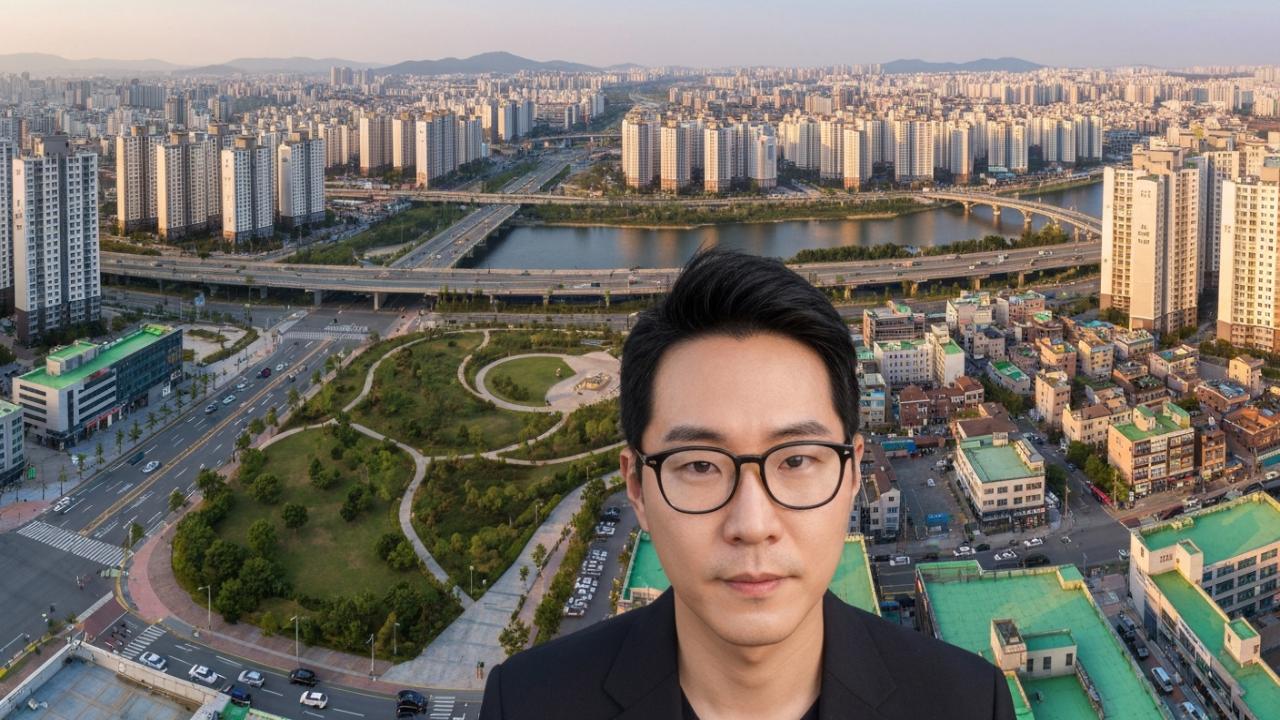
Once, new towns symbolized the solution to housing shortages and pleasant living environments. For those tired of Seoul’s high housing prices and overcrowding, new towns were a new home and a beacon of hope. The government aimed to stabilize the housing market by supplying large-scale land from the 1st to the 3rd new towns.
However, as of 2026, the perception of new towns is quite different from the past. Especially in the recent subscription market, new towns lacking proper infrastructure are thoroughly ignored, while demand is concentrated only on areas with already established living amenities, highlighting an extreme polarization. This proves that vague expectations of ‘a good place to live’ are no longer enough.
The Era Where ‘Infrastructure Completeness’ Equals Premium
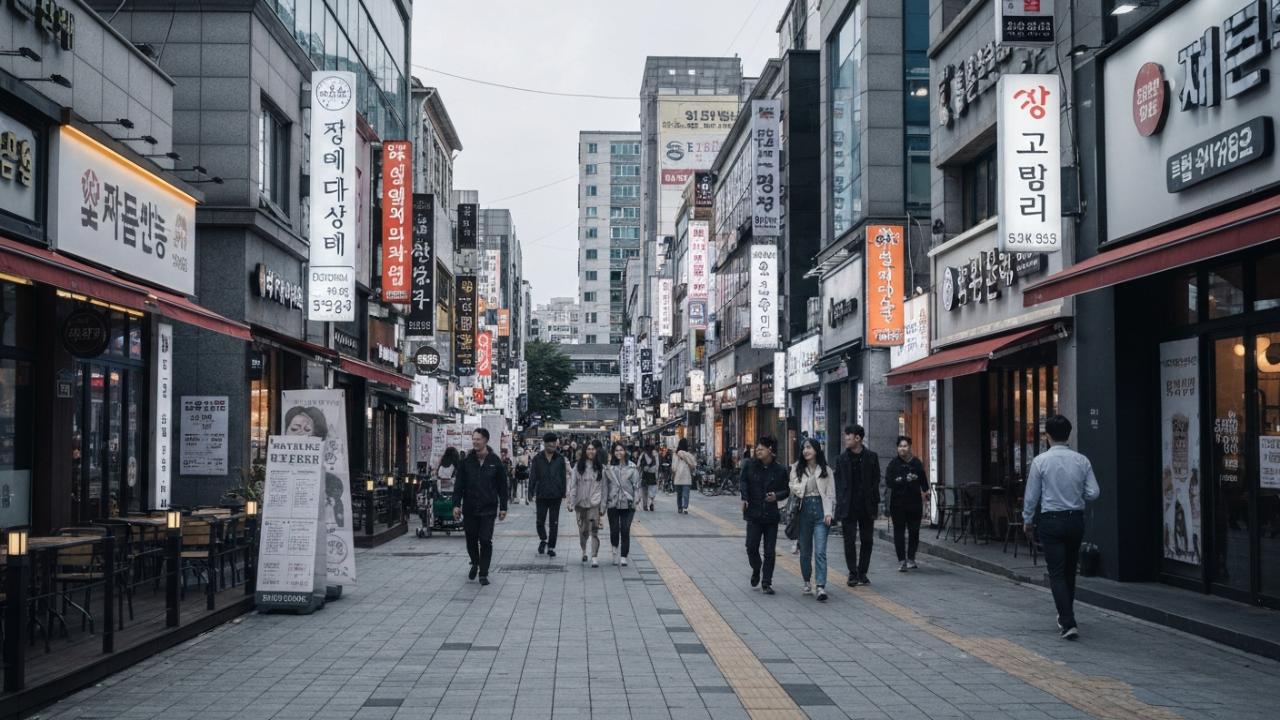
The key keyword in today’s new town subscription market is undoubtedly ‘complete location.’ According to a report on April 26, 2026, a specific complex in Incheon Geomdan New Town recorded a high competition ratio of 43:1, but other complexes within the same new town with poor infrastructure accessibility could not avoid undersubscription. This is a clear signal that consumers are no longer investing based solely on ‘rosy future blueprints.’
- Transportation Network: The expansion of subways, wide-area buses, and express lines that determine accessibility to Seoul is crucial. In the case of Pyeongtaek Godeok International New Town, the possibility of using the Line 1 express train has garnered attention.
- Educational Environment: The quality of new schools, the formation of academy districts, and infrastructure for children’s education are essential.
- Commercial and Convenience Facilities: How quickly and sufficiently essential facilities like large supermarkets, hospitals, and cultural facilities are established determines residential satisfaction.
As more discerning consumers who do not want to repeat the inconveniences experienced in the early stages of occupancy increase, the phenomenon of opening wallets only for places with solid infrastructure is expected to intensify.
The ‘Assessment Bomb’ of 1st Generation New Towns and a Bitter Reality
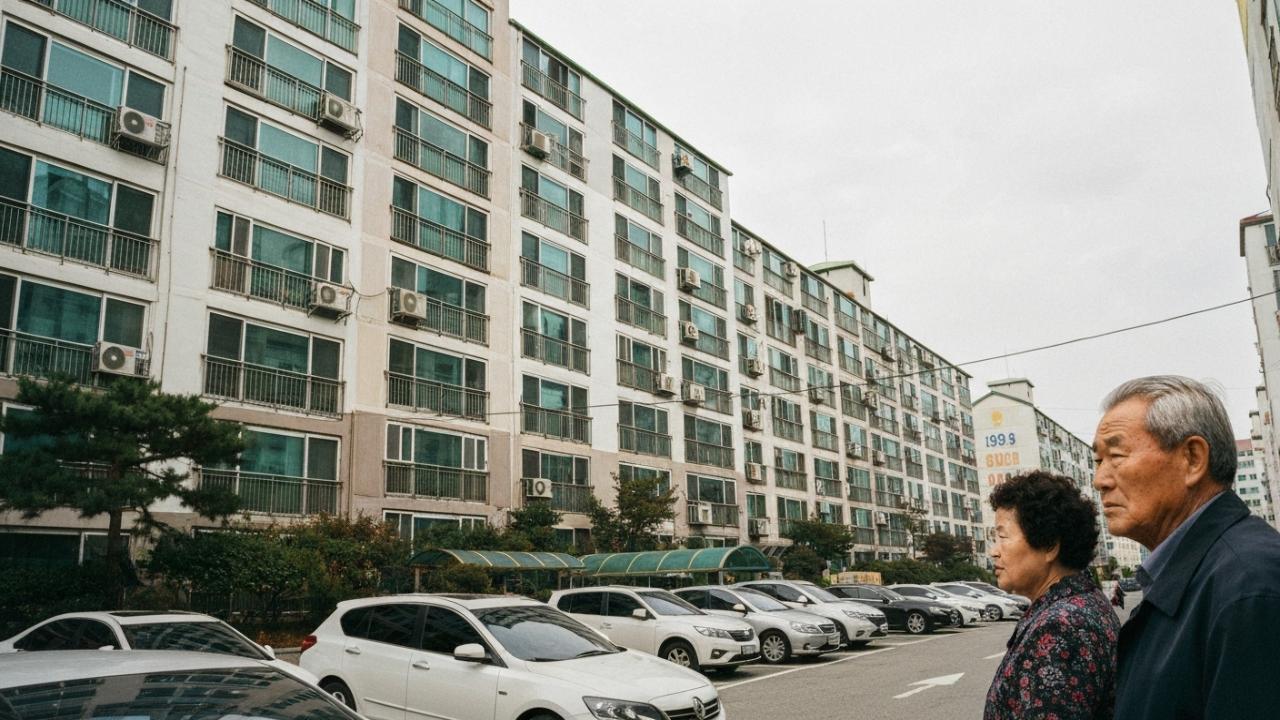
The polarization of new towns is not just a story of the new housing market. The 1st generation new towns like Bundang and Ilsan, created in the late 1980s to curb soaring Seoul housing prices, now face new challenges under the name of ‘aging planned cities.’ Apartments over 30 years old have rusted pipes, cracked exterior walls, and severely insufficient parking spaces.
- Severe Deterioration: Not only the physical deterioration of apartments but also the entire city’s infrastructure urgently needs improvement. There are significant daily inconveniences such as insulation problems and parking shortages.
- High Barrier to Reconstruction: Despite the government’s ‘Special Act on Aging Planned Cities,’ the enormous assessment fees pose a significant burden on residents. In some complexes, the self-contribution of members is too high, leading to sluggish project progress.
- Relocation Issues: Large-scale relocation demand arises during reconstruction, but the lack of dedicated relocation complexes for residents could lead to other social problems, such as soaring rental prices in surrounding areas.
The sight of 1st generation new towns, once at the forefront of solving housing shortages, now grappling with the reality of an ‘assessment fee bomb’ suggests that new town policies must be approached from a long-term perspective beyond mere housing supply.
New Towns Evolving Beyond ‘Planned Cities’ to ‘Livable Cities’
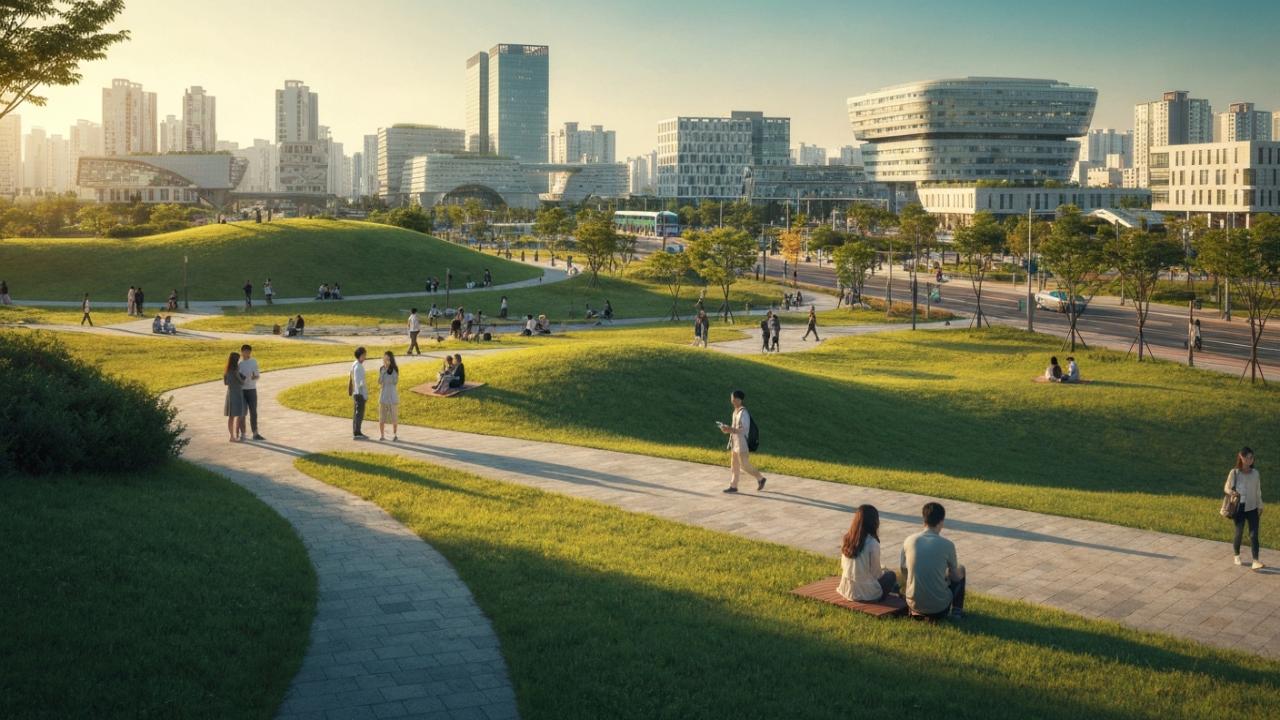
Looking back at the history of new town development, the initial focus was on securing housing supply, but the paradigm is gradually shifting towards enhancing urban self-sufficiency and quality of life. Starting with the 3rd generation new towns, ‘Urban-Architectural Integrated Planning’ has been introduced in the early stages of district planning to establish the urban framework and land use plan through three-dimensional spatial design, aiming for a shift from a supplier-centric to a user-centric approach.
- Strengthening Self-Sufficiency: The goal is to grow into self-sufficient cities with their own industrial bases and jobs, moving away from being ‘bedroom communities’ dependent on Seoul.
- Introduction of Eco-friendly and Smart Technologies: There are increasing examples of presenting future city models by combining smart city technology and eco-friendly designs such as Low Impact Development (LID), like Sejong Happy City.
- Reflecting Regional Characteristics: Beyond the criticism of ‘cookie-cutter cities’ in the past, creating differentiated cities that leverage the geographical and cultural characteristics of each new town is becoming important.
Some local new towns are overcoming past negative perceptions and becoming new sources of vitality for the regional economy through expanded industrial investment and improved transportation networks. For new towns to truly become ‘livable cities,’ delicate planning and continuous efforts that encompass both residents’ actual lives and future value are necessary. Ultimately, we realize once again that the success of a city depends not on numbers but on people.