A recent open letter sent by 54 U.S. Republican House Representatives to Ambassador Kang Kyung-wha has introduced a subtle tension into the relationship between South Korea and the United States. This letter goes beyond merely protecting American companies, addressing issues like the spread of Chinese platforms in Korea and security burdens, revealing Washington’s complex internal motives. Especially given that some of the signatories are noted for ‘Coupang donations’ and ‘far-right leanings,’ this incident is difficult to view as a simple trade dispute.
In fact, the prevailing analysis suggests that this letter is intertwined with the complex situation within the Republican Party ahead of the 2026 midterm elections. Interpretations suggest that the Republican Party is seeking a breakthrough in foreign policy due to a confluence of challenges: the party’s reality under the influence of former President Donald Trump, fluctuating approval ratings, and successive failures in redistricting. Is the letter from the 54 Republican representatives a strategic move to solidify their political standing under the guise of regulating Korean companies?
The Letter from 54 Republican Representatives: Simple Corporate Protection?
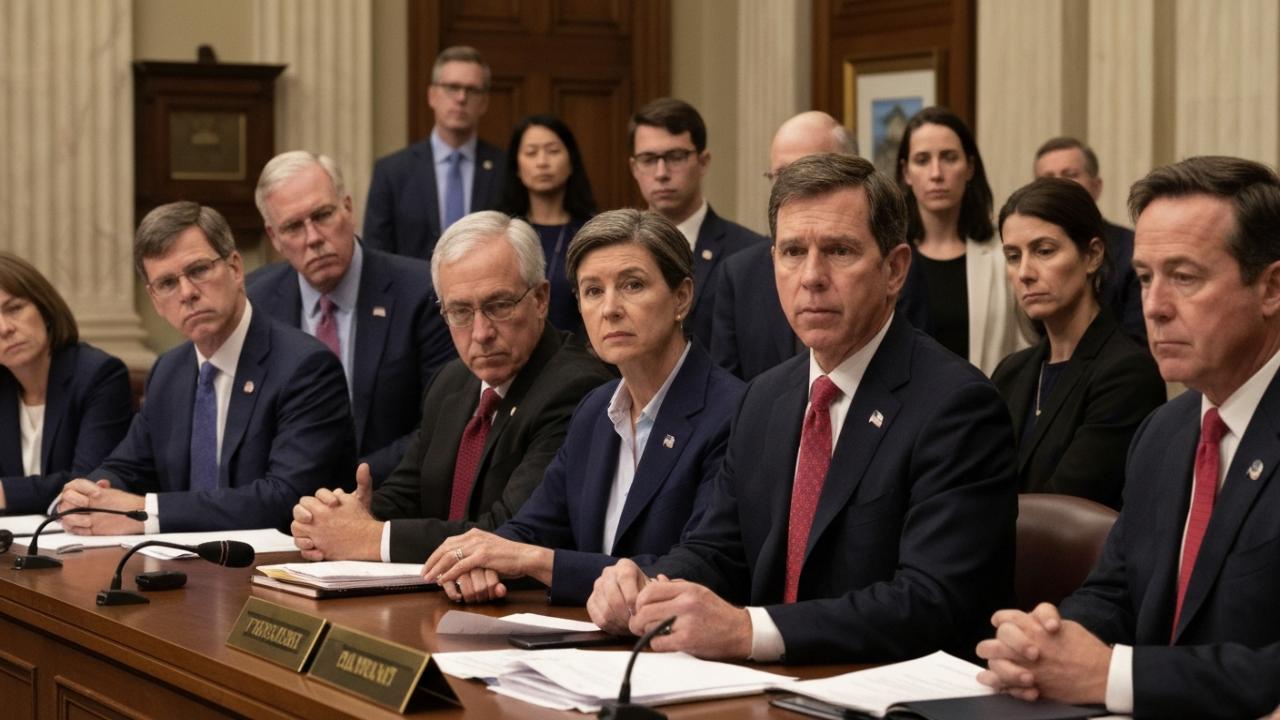
On April 22, 54 Republican House Representatives sent an open letter to Ambassador Kang Kyung-wha. In the letter, they strongly criticized the South Korean government’s regulation of American companies, the proliferation of Chinese platforms, and security burdens, linking these issues together. They specifically mentioned major tech companies like Coupang, Apple, Google, and Meta, demanding an immediate halt to South Korea’s “targeted measures” against specific American companies.
The real reasons this letter is drawing attention are as follows:
- Controversy over specific corporate donations: Allegations have been raised that some of the participating representatives previously received political donations from Coupang. This makes it difficult to avoid criticism that this move is to represent the interests of a specific company.
- Participation of ‘far-right’ representatives: A significant number of the representatives who spearheaded the letter are classified as staunch conservatives or far-right within the party. This is why interpretations suggest their stance may contain political intentions beyond simple trade issues.
- Raising the issue of Chinese platforms: It is also unusual that they raised the issue of the proliferation of Chinese platforms within South Korea. This aligns with the Republican Party’s hardline stance against China, connecting economic issues with security concerns.
Ultimately, the prevailing analysis is that this letter goes beyond mere corporate protection, intertwining the Republican Party’s complex foreign strategy with domestic political calculations.
‘Trump Risk’ and the Shadow of the 2026 Midterm Elections

The timing of this letter’s release is approximately seven months before the November 2026 midterm elections. The situation within the Republican Party is not optimistic. Former President Donald Trump’s dominance and the resulting party division persist, and the so-called ‘Trump risk’ is a significant burden for Republican candidates. Indeed, many Republican candidates are withdrawing from the race ahead of the midterm elections, citing “Trump risk” as the reason.
The main challenges facing the Republican Party are as follows:
- Historical Jinx: U.S. midterm elections historically serve as a judgment on the incumbent party and president, with the ruling party usually losing seats. The Republican Party is in a situation where it must directly confront this jinx.
- Gerrymandering Backlash: Former President Trump’s attempts at redistricting (gerrymandering) are boomeranging back on the Republican Party. In several states, including Virginia, California, and Utah, Democrats are gaining seats or offsetting previous Republican gains. Trump has even claimed these were “rigged elections.”
- Deepening Party Division: The fact that party members, regardless of faction, from ardent supporters of former President Trump to those who voted for impeachment, are leaving the party, is evidence of the Republican Party’s severe internal division.
In this situation, while the Republican Party has unveiled a radical strategy for midterm election victory, advocating a three-pronged fragmentation strategy of ‘taxes, crime, and borders,’ its success remains uncertain.
Trump’s Wavering Approval Ratings, the Republican Crisis Theory
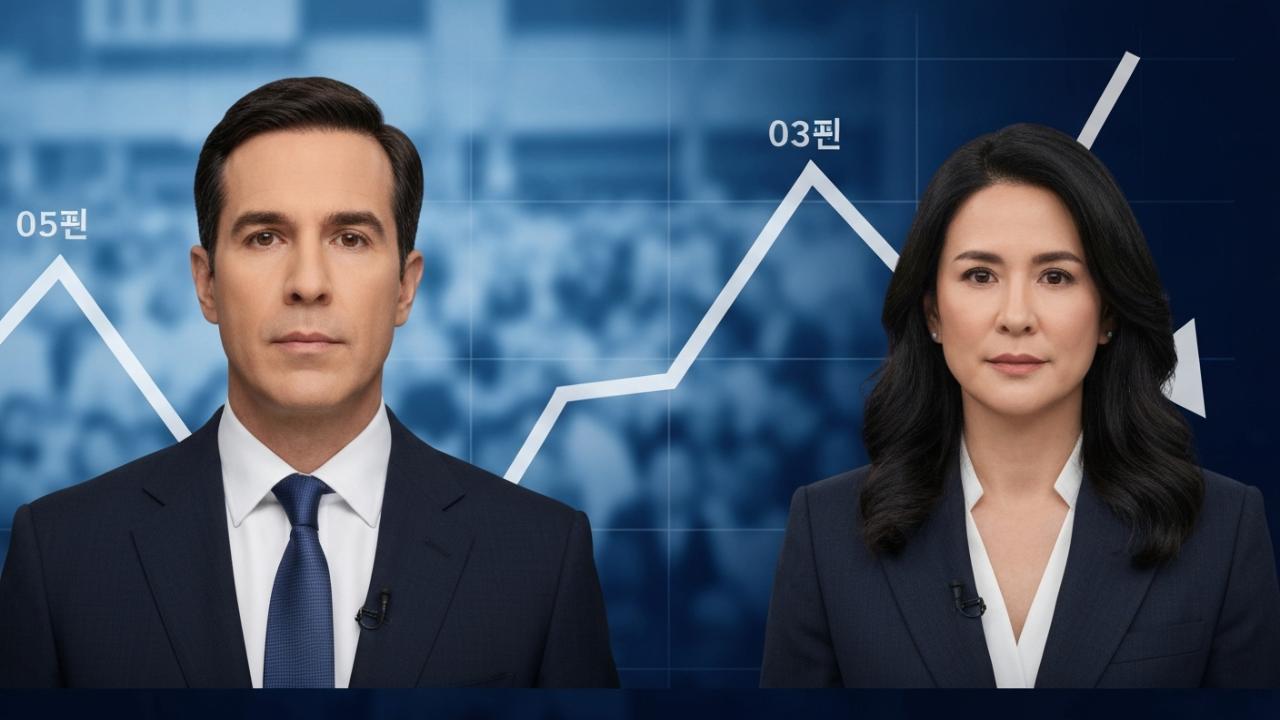
The Republican crisis theory is not limited to midterm election strategies. Former President Trump’s job approval rating, as of April 2026, stands at 33%, marking its lowest point since taking office and rapidly declining. Even among Republican members, excluding his core ‘MAGA’ base, support is only 44%, indicating growing dissatisfaction with Trump within the party.
The main reasons for the decline in approval ratings are as follows:
- Failure of Iran Negotiations: Criticism of President Trump is intensifying as peace negotiations with Iran have stalled. Former National Security Advisor John Bolton, in particular, criticized Trump for giving Iran leverage, and even the Wall Street Journal pointed out that “Iran considers President Trump a ‘sucker.’”
- Distrust in Economic Policy: Approval ratings for economic policy are 30%, and for cost of living, a mere 23%, indicating a serious level of economic dissatisfaction among voters. This leads to criticism that the expectations of voters who desire “economic comfort” are not being met.
- Inconsistent Messaging: Critics argue that former President Trump’s daily, inconsistent messages on social media only create confusion. There are also foreign media reports that advice from his close associates to exercise restraint has failed.
In this situation, doubts are growing as to whether the Republican Party can achieve successful results in the 2026 midterm elections.
It is undeniable that the recent letter from Republican representatives pressuring Korean companies goes beyond a simple trade issue and is intertwined with the complex political situation within the Republican Party. The reality of the party under the influence of former President Trump, the burden of the upcoming midterm elections, and wavering approval ratings – how the Republican Party will navigate all these challenges remains to be seen.