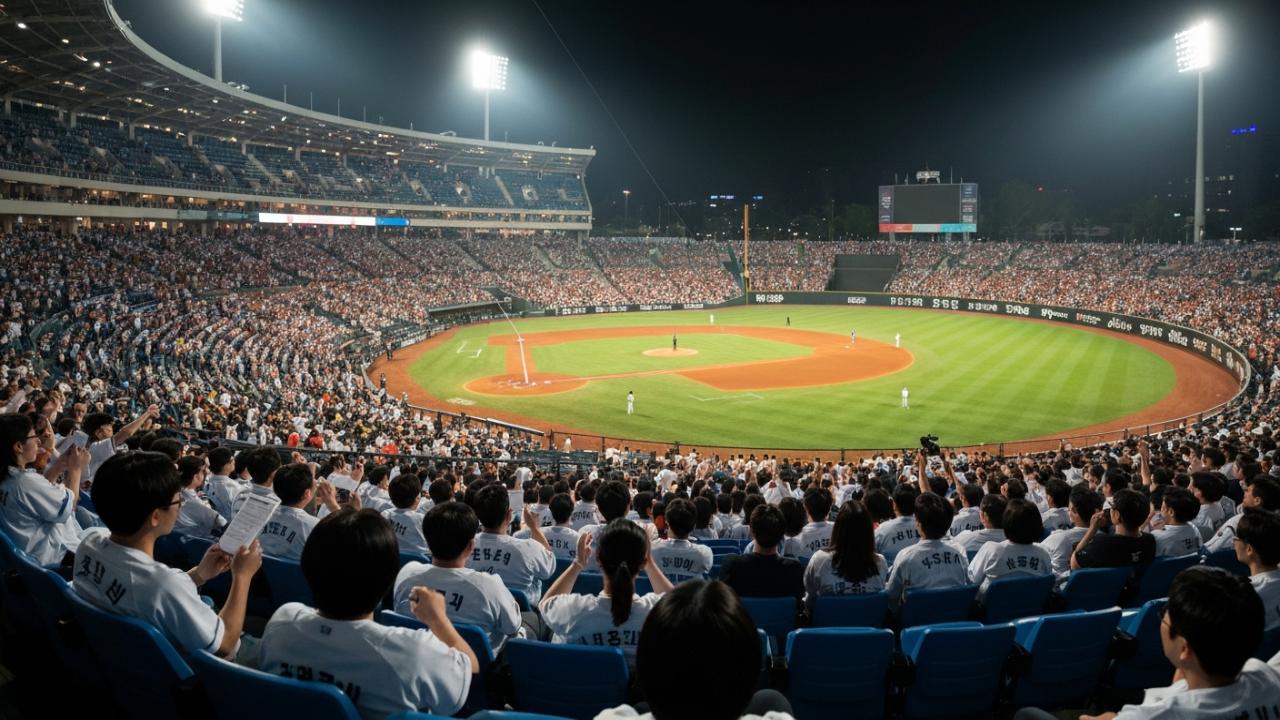
The 2026 KBO League is off to a scorching start. We’re not just talking about the excitement of the games themselves. Major rule changes implemented this year are shaking up the entire league. In particular, the introduction of the Asia Quota system, which increased the limit on KBO foreign players to four, has done more than just add one player; it has completely transformed each team’s strategies, tactics, and even the landscape of the hot stove league. It’s worth taking a closer look at what kind of impact this change will have on the KBO League.
To be frank, the KBO has always yearned for change. Historically, the foreign player system has been an important mechanism for raising the league’s level. However, the Asia Quota system, introduced starting with the 2026 season, is widely regarded as a ‘game-changer’ that will truly flip the script. It’s not just about being able to use one more foreign player. It’s tantamount to a declaration to fundamentally change the league’s constitution.
The Asia Quota System: More Than Just a Numbers Game
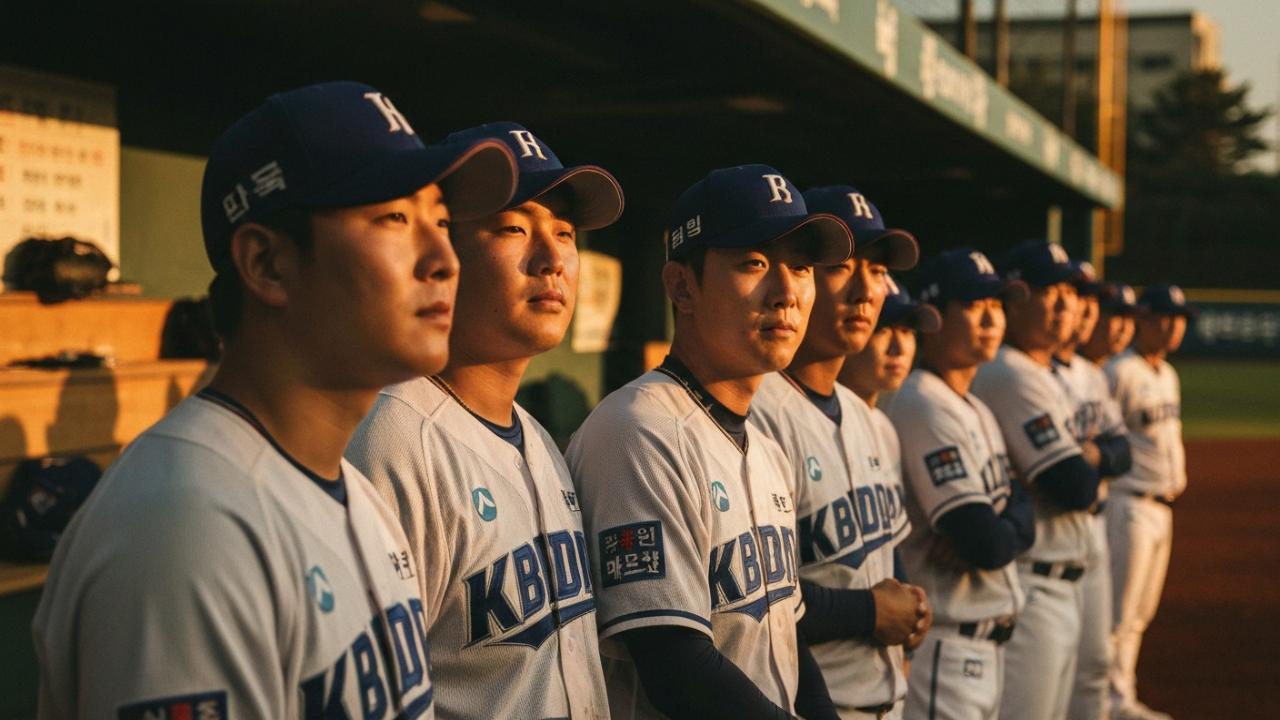
Starting from the 2026 season, the KBO League has increased the number of foreign players per team from three to four. The key here, as the name ‘Asia Quota’ suggests, is that teams can additionally sign one player who is a national of an Asian Baseball Federation (BFA) member country or Australia. Furthermore, it has become possible to field all four foreign players simultaneously in a single game. This is not just about adding one more player; it’s a change that requires a complete restructuring of how teams are built.
- Flexibility in Foreign Player Management: In the past, there were significant positional restrictions, such as two pitchers and one hitter, or one pitcher and two hitters. Now, with four players allowed simultaneously, a much wider variety of combinations is possible.
- Opportunity to Acquire Cost-Effective Players: The acquisition cost for an Asia Quota player is a maximum of $200,000, which is significantly cheaper than the maximum $1,000,000 for existing foreign players. This provides clubs with the opportunity to bring in immediate impact players or players with growth potential at a lower cost. This is why there are predictions that many players from Japan’s minor leagues or independent leagues will be brought in.
- Impact on Domestic Players: There are also concerns that this could be a ‘dark cloud’ for domestic pitchers in particular. If many pitchers are acquired through the Asia Quota, there is worry that domestic pitchers may lose their spots. However, it will clearly have a positive impact on raising the overall competitiveness of the league.
Ultimately, this system is not just about increasing the number of players; it embodies the KBO’s will to expand strategic diversity and strengthen the league’s international competitiveness. At this level, it’s fair to say that the KBO foreign player policy is aiming for a ‘surge’.
From Shorter Pitch Clocks to Wireless Intercoms: A Faster and Fairer KBO
It’s not just the Asia Quota system that has changed. The 2026 KBO League has implemented several rule changes to increase the speed and fairness of the games themselves. A prime example is the shortened pitch clock. The pitching time has been reduced by 2 seconds each, to 18 seconds when there are no runners on base and 23 seconds when there are. This shows the KBO’s determination to minimize unnecessary delays and provide more dynamic games.
- Pitch Clock: A ball is awarded for pitcher and catcher violations, and a strike for batter violations. This significantly impacts increasing player concentration and speeding up the game tempo.
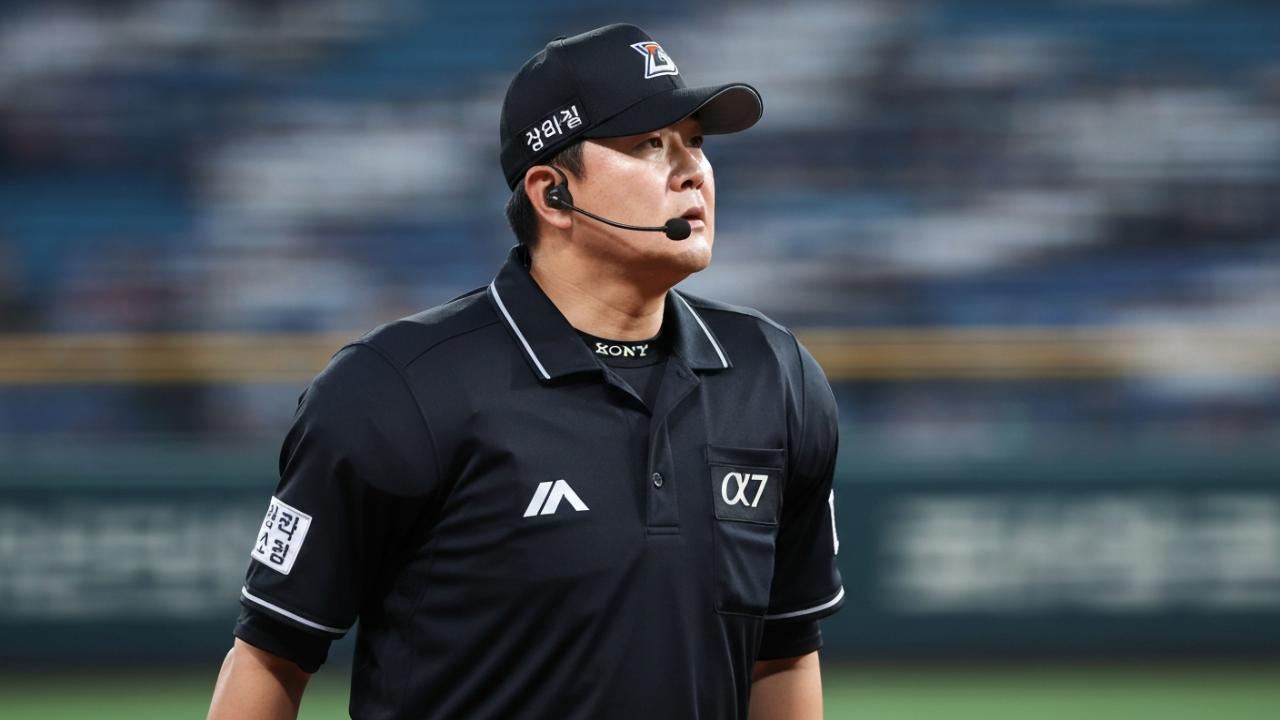
- Introduction of Wireless Intercoms: A wireless intercom system has been introduced for umpires to reduce video review time and enhance explanation of rulings. Umpires can now communicate with the review center and make announcements over the stadium broadcast without moving.
- Improved Video Review System: ‘Strategic overruns’ occurring at second and third base have also been added to the scope of video review. This will contribute to increasing the fairness of base running and reducing variables in the late stages of games.
- Reduced Extra Innings and Korean Series Format Change: Regular season extra innings have been shortened from 12 to 11, and the Korean Series format has also changed from the traditional 2-2-3 to 2-3-2. These appear to be attempts to reduce player fatigue and provide fans with a more exciting series.
These changes go beyond simply altering rules; they demonstrate the KBO’s strong commitment to providing fans with more immersive and fair games. Considering the many criticisms that games were too drawn out, these changes, which have become the norm, are welcome.
Gambling Scandal Amidst Record Popularity: The KBO’s Shadow

In terms of popularity, the 2026 KBO League is on a record-breaking pace. In just 92 games since the opening, cumulative attendance has surpassed 1.64 million, putting it on the verge of setting a new record for the fewest games to reach 2 million spectators. Hanwha Eagles have recorded 11 sellouts, and LG Twins 10, indicating continued strong fan interest. This is largely attributed to fierce competition in the standings and the活躍 of star players.
However, amidst this surge in popularity, there was also some bitter news. A scandal involving Lotte Giants players gambling overseas erupted. Kim Dong-hyuk received a 50-game suspension for visiting a casino in Taiwan during spring training, while Ko Seung-min, Kim Se-min, and Na Seung-yeop received 30-game suspensions. The fact that such incidents occurred despite team-level education is a challenge the KBO must address. Baseball fans can’t help but be disappointed by such news.
The KBO will need to pay even more attention to establishing player discipline, commensurate with its surging popularity. Fans visit ballparks expecting not only great plays from the players but also sportsmanship. The 2026 KBO League, where light and shadow coexist, remains to be seen how it will develop in the future.