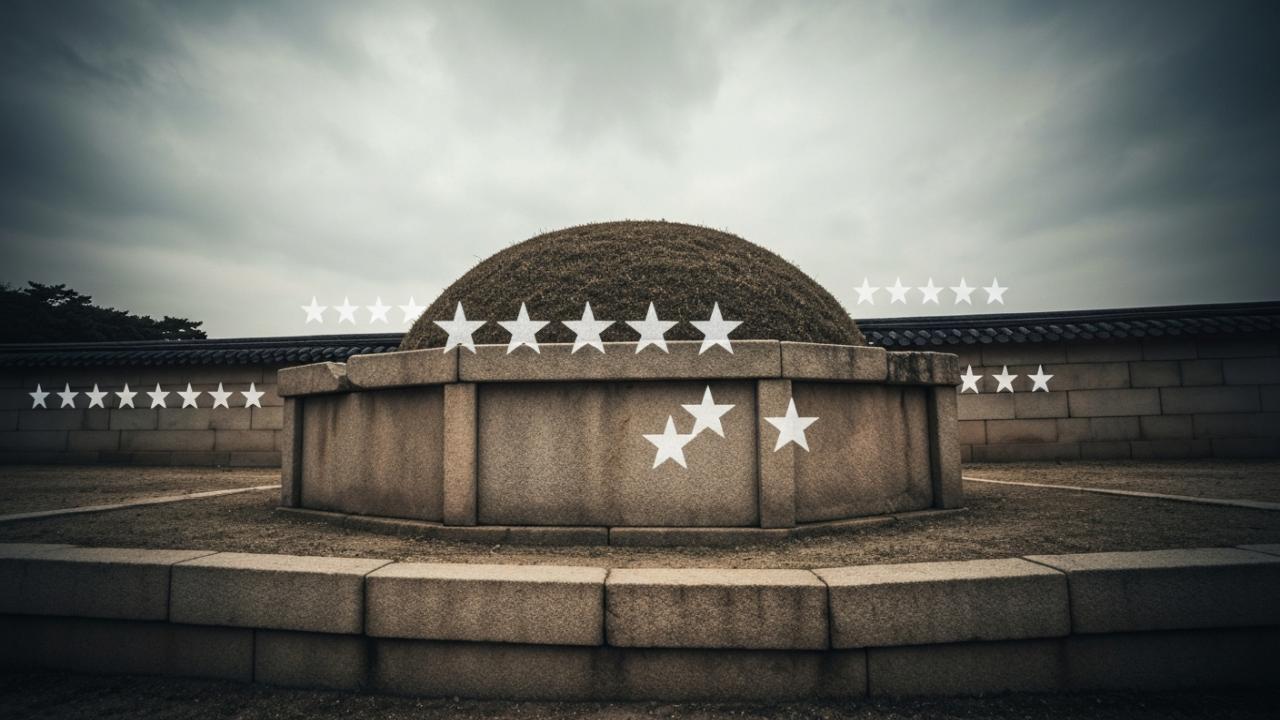
Korean history In 2026, South Korea is experiencing a fervent re-evaluation of historical figures. In particular, the recently released film ‘The Man Who Lived with a King’ (hereafter ‘The Man Who Lived with a King’) has reignited controversy surrounding Sejo, the 7th king of Joseon. A bizarre phenomenon is even occurring where viewers of the film are ‘review bombing’ Gwangneung, Sejo’s tomb in Namyangju, Gyeonggi Province. This is proof that it’s not just a story from the past. We are currently in a tug-of-war between historical facts and public sentiment.
‘The Man Who Lived with a King’ Sparks Sejo Re-evaluation Craze
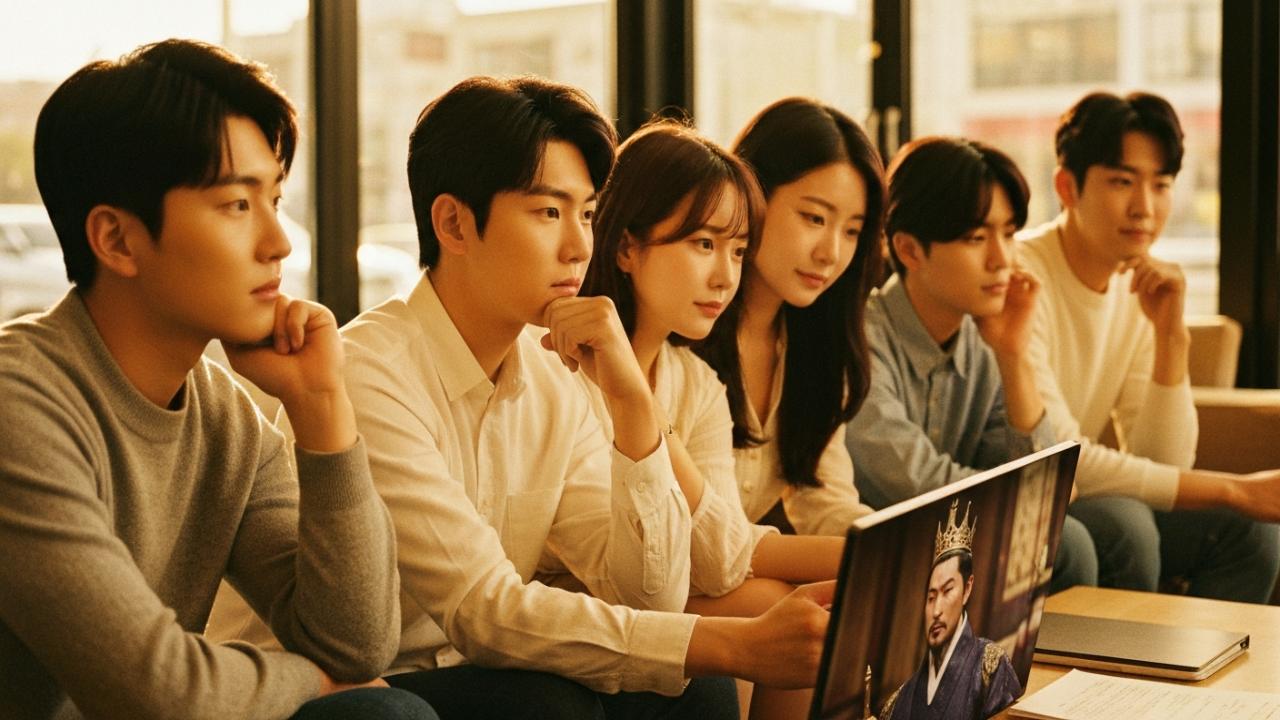
The success of ‘The Man Who Lived with a King’ is more than just an interesting historical drama; it directly influences public perception of history. The ‘review bombing’ of Gwangneung on online map apps is a result of viewers’ anger at Sejo’s misdeeds as depicted in the film, spilling over into reality. Many seem to have been shocked that the actual historical records were more brutal than the vague image they had of Sejo. In the past, there were positive evaluations of his stable governance, but now the perception of him as a cruel usurper of power is dominant. These reactions clearly show how fluid the evaluation of historical figures is in modern society, and how much influence mass media has on that process.
- The film ‘The Man Who Lived with a King’ triggered a change in public historical perception
- ‘Review bombing’ of Sejo’s tomb on online map apps
- Transition from an image of stable rule to that of a cruel usurper of power
Joseon’s ‘Villain’ Sejo, Actual Records Were More Brutal
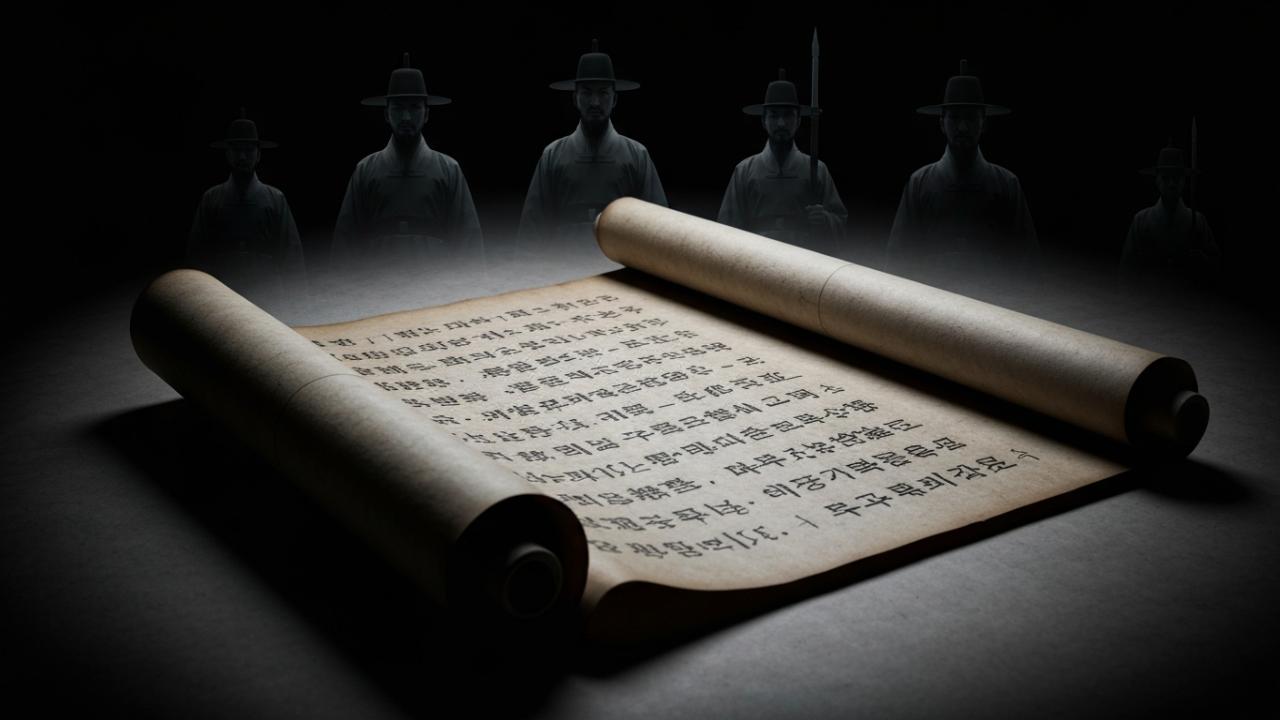
Sejo was a figure who dethroned his young nephew, Danjong, and ascended to the throne. While he was not the only one in Korean history to usurp the throne from a nephew, there is a clear reason why he is uniquely remembered as a ‘villain’. The brutality he displayed in seizing power and purging political rivals was beyond imagination. In particular, the punishments inflicted on the Six Martyred Ministers (Sayuksin) who attempted to restore Danjong, and their families, are chilling even in records alone. Acts that truly defied human decency, such as distributing the wives and daughters of loyal subjects like Seong Sammun and Park Paengnyeon as slaves to his officials, actually exist in history. Encountering these records reveals not just the simple image of ‘an uncle who usurped the throne,’ but the extreme wickedness a human can possess.
Modern Korean History: A Tug-of-War Between ‘Facts’ and ‘Emotions’
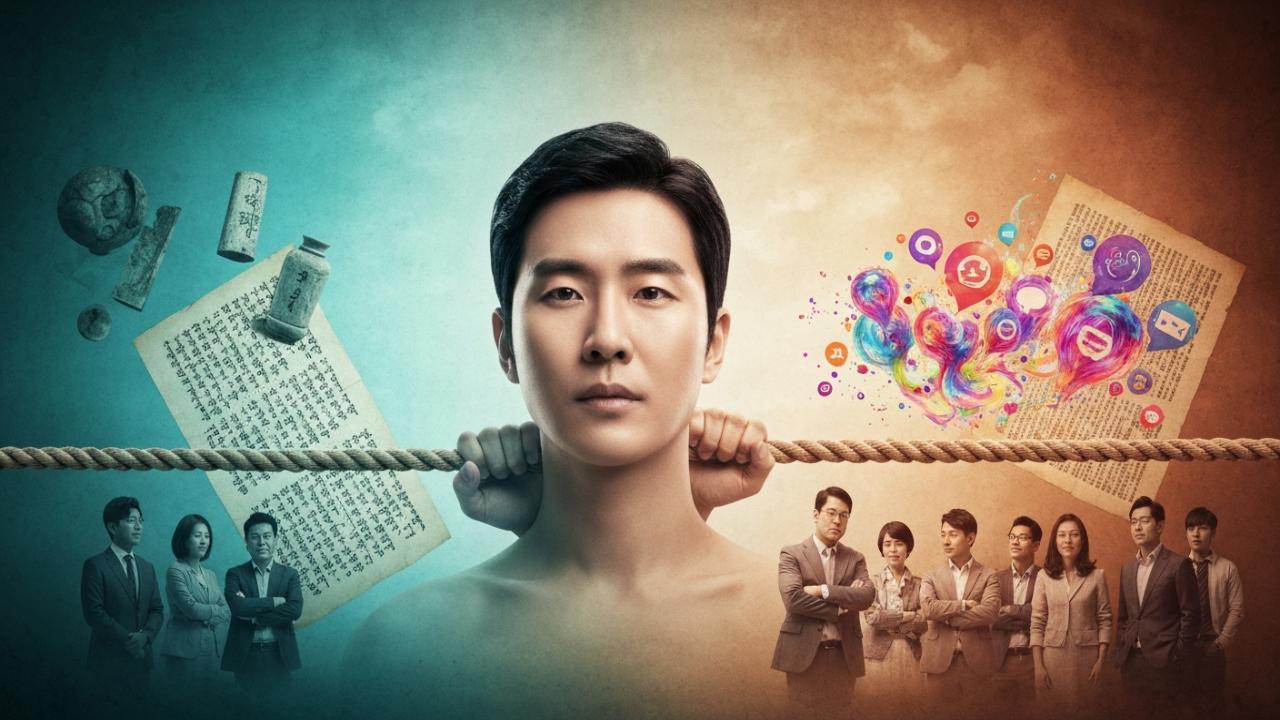
Today, the public actively makes moral and emotional judgments about the actions of historical figures, going beyond merely listing past facts. The anger towards Sejo, sparked by ‘The Man Who Lived with a King,’ is one aspect of this modern historical consciousness. While it may not always be right to judge historical figures by contemporary standards, how the public perceives and interprets history is an important issue. Especially with the growing influence of media, historical facts and public emotional consensus are becoming intricately intertwined. It’s no longer an era of simply memorizing facts like a child; the time for rote learning is over. History is no longer a fossilized knowledge in textbooks but a living arena of debate. Maintaining a balanced perspective in this process will be paramount.
- The influence of mass media on evaluating historical figures
- Projection of modern emotions onto past facts
- Changes in history education: from rote memorization to critical thinking
Ultimately, Korean history is not a story of the past but a dynamic entity that constantly poses questions to us living in the present. The ‘review bombing’ of Sejo’s tomb is a powerful expression of those questions. It remains to be seen which historical figure will next face public judgment, and what we will learn and how we will react in that process.