Arisell fire In June 2024, a fire at the Arisell factory in Hwaseong, Gyeonggi Province, claimed the lives of 23 precious individuals. Today (April 22, 2026), an appellate court ruling was handed down to those responsible for this tragedy, which left an indelible scar on the history of industrial safety in South Korea. Park Soon-kwan, the CEO of Arisell, who had been sentenced to 15 years in prison in the first trial – the highest sentence since the enforcement of the Serious Accidents Punishment Act – saw his sentence drastically reduced to 4 years in prison on appeal. This ruling goes beyond a simple legal judgment, once again raising questions about how our society perceives responsibility for serious accidents.
The families of the 23 victims expressed their outrage in court, criticizing it as an ‘unreasonable ruling.’ The controversy over whether this decision, made in the name of the law, is truly just, has only just begun.
A Stark Contrast to the First Trial: The Impact of the Appellate Ruling
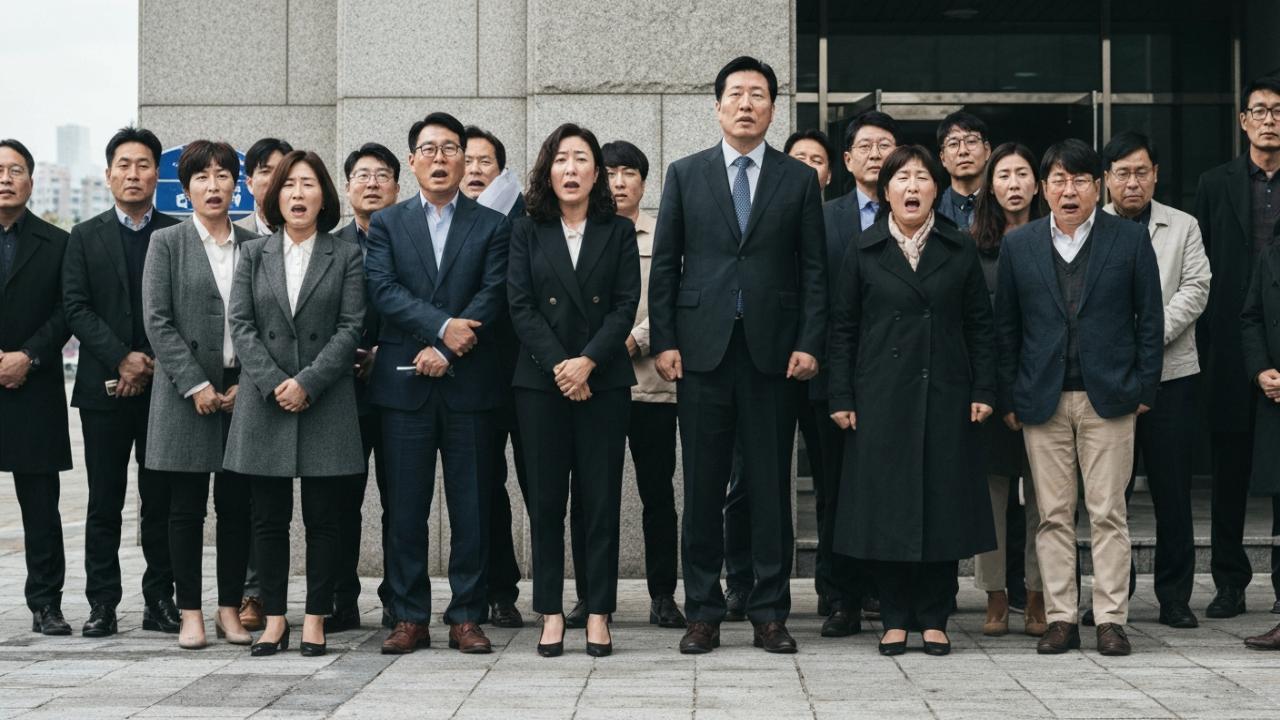
The Criminal Division 1 of the Suwon High Court today sentenced Park Soon-kwan, CEO of Arisell, to 4 years in prison, overturning the 15-year sentence from the first trial. Park Jung-eon, the general manager and son of the CEO, who was also indicted, also saw his sentence reduced from 15 years in prison in the first trial to 7 years in prison and a fine of 1 million won. The court cited several reasons for the reduction: the defendants compensated all victims’ families and reached an agreement, and there are limitations to completely preventing accidents involving lithium batteries. The court also determined that some measures had been taken for processes where accidents had previously occurred or where safety measures were required.
- CEO Park Soon-kwan: 1st trial 15 years in prison → Appellate trial 4 years in prison
- General Manager Park Jung-eon: 1st trial 15 years in prison → Appellate trial 7 years in prison, 1 million won fine
- Reasons for reduction: Agreement with victims’ families and compensation for damages, technical limitations in preventing lithium battery accidents, implementation of some safety measures
However, the victims’ families vehemently protested the court’s judgment. Cries of ‘Unreasonable ruling!’ and ‘Bring my family back!’ filled the courtroom. It is difficult to avoid criticism that the court, in effect, prioritized technical limitations and agreements over corporate negligence. One might even say this ruling freeze-dried the hearts of the bereaved families.
Revisiting the ‘Hwaseong Arisell Factory Fire’ that Claimed 23 Lives
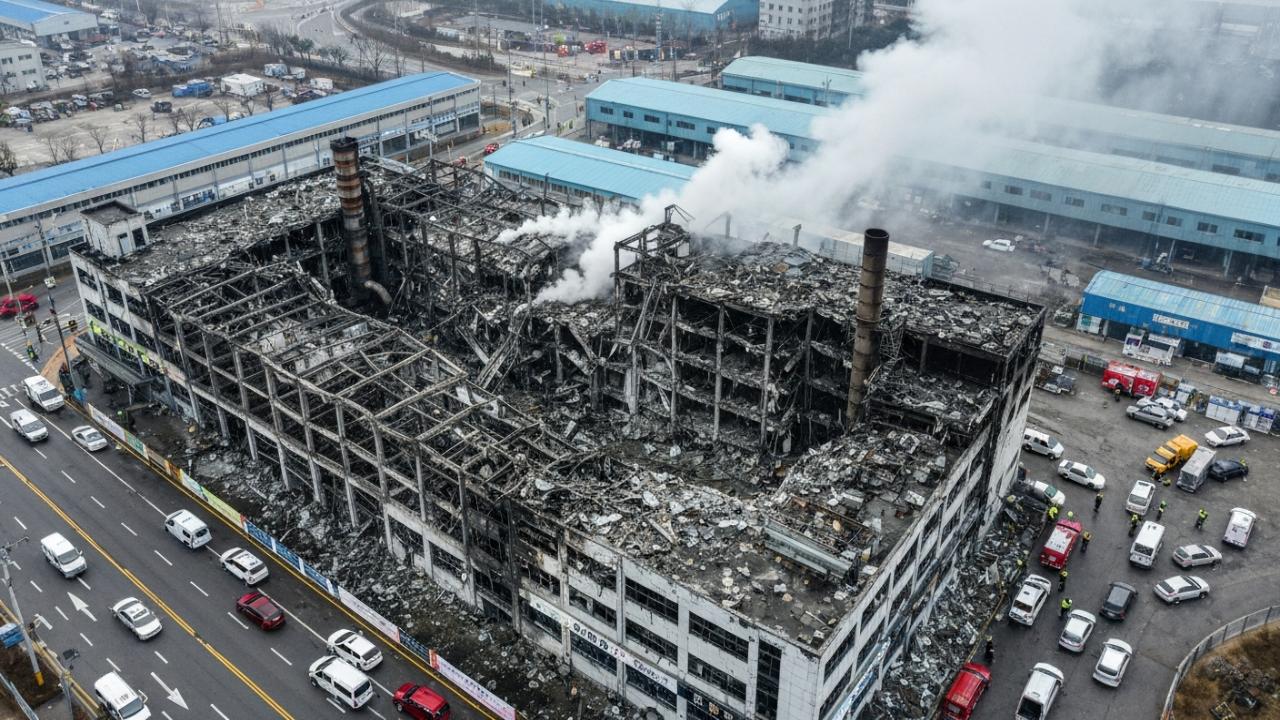
On June 24, 2024, a major fire at the Arisell factory in Seosin-myeon, Hwaseong-si, Gyeonggi-do, resulted in 23 deaths and 9 injuries. The fire originated during the storage and inspection of primary lithium batteries, and the characteristics of lithium batteries, which are difficult to extinguish, along with the factory’s sandwich panel structure, exacerbated the damage. Furthermore, it was revealed that a small fire had occurred at the factory just two days before the accident, on June 22, but Arisell had handled it internally without notifying external authorities, adding to the shock.
- Date of accident: June 24, 2024
- Cause of accident: Ignition of primary lithium batteries, material characteristics making extinguishing difficult
- Scale of damage: 23 deaths, 9 injuries
- Additional suspicions: Concealment and non-reporting of a small fire two days prior to the accident
CEO Park Soon-kwan and others were indicted on charges of violating safety and health obligations, including failing to inspect hazardous and dangerous factors and not having a manual for responding to serious accidents. At the time, many illegally dispatched foreign workers were employed at the factory, and there were continuous criticisms about inadequate safety training for them.
Recurring Safety Complacency: The Challenges Left by the ‘Arisell Tragedy’
The Arisell tragedy was not merely an accident at one company but starkly revealed our society’s chronic safety complacency. The Daejeon Safety Industry fire, which occurred in March 2026, was even criticized as a ‘carbon copy’ of the Arisell tragedy. There were strikingly similar points: inadequate safety management in factories handling hazardous materials, illegally expanded rest areas, and a structure where internal whistleblowing was ignored.
Ultimately, what is important is for companies to be vigilant through strict legal punishment. Show-off safety inspections or perfunctory manual provisions can no longer persuade the public. Companies must prioritize the lives and safety of their workers as much as they pursue profits. Otherwise, the word ‘safety’ will remain nothing more than an empty shell.
Looking at the appellate ruling for the Arisell tragedy, who can confidently say that such a tragedy will never happen again in this land? In the face of 23 sacrifices, the law’s warning seems far too light. Everyone must realize that true responsibility does not simply end in the courtroom.