
high oil price relief fund In this era of high oil prices, saying that ordinary people are struggling has become a cliché. Fuel prices are skyrocketing, and inflation is rising in tandem, creating a suffocating situation that’s been ongoing for a while. In response, the government has introduced the High Oil Price Relief Fund. Many are paying close attention to the news that applications will begin on April 27, 2026. This relief fund is not just a simple one-time payment; it has several key points you shouldn’t overlook.
In fact, this fund is part of a livelihood support policy aimed at addressing the real problems of rising international oil prices and increasing cost of living burdens. The fact that it offers differentiated payments of up to 600,000 won suggests it’s not just a ‘paltry’ sum. However, when it comes to applying, many people are confused about who is eligible and how to receive it. So, we’ve prepared this guide. Let’s delve into the High Oil Price Relief Fund that you’ll regret missing out on.
High Oil Price Relief Fund: Who Gets How Much?

This High Oil Price Relief Fund is not distributed uniformly to all citizens. It’s important to remember that this is selective support, focusing on those in dire need. Eligibility is divided into two phases for applications.
- Phase 1 Application (April 27 ~ May 8): Priority is given to vulnerable groups such as basic livelihood recipients, those in the next-lowest income bracket (cha-sangwi), and single-parent families.
- Basic livelihood recipients can receive up to 600,000 won, while cha-sangwi and single-parent families can receive 450,000 to 550,000 won.
- Residents of non-metropolitan areas or regions with declining populations may receive an additional 50,000 won.
- Phase 2 Application (May 18 ~ July 3): This phase is for citizens in the bottom 70% income bracket, and vulnerable groups who missed the Phase 1 application can also apply during this period.
- Citizens in the bottom 70% income bracket can receive up to 250,000 won, depending on their address.
- Eligibility is based on health insurance premiums, but high-asset individuals may be excluded, with specific asset criteria to be finalized in May.
While the government has always calculated income based on health insurance premiums, it remains to be seen what controversy the exclusion criteria for high-asset individuals will stir up. Nevertheless, the ‘bottom 70% income’ standard is quite broad, so you should definitely check if you are eligible.
From Application Methods to Usage Restrictions: Your Essential Checklist
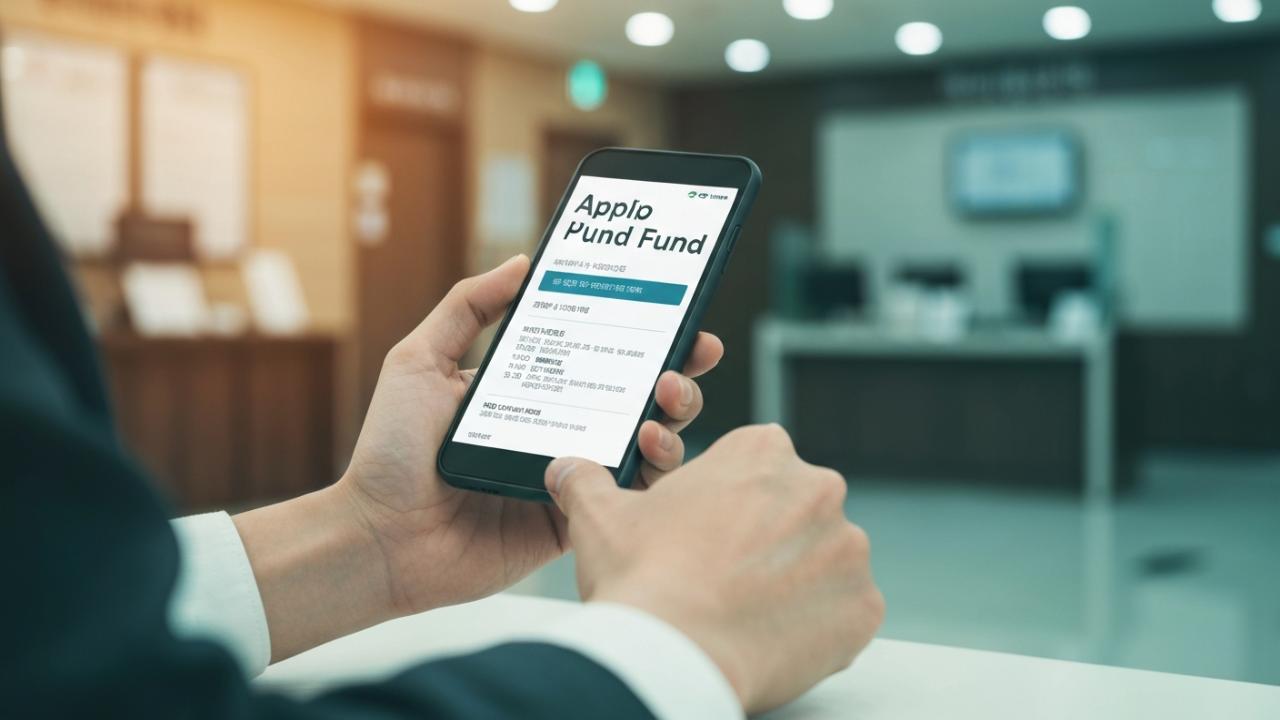
Applications for the relief fund can be made both online and offline, a method that considers both convenience and accessibility. However, applying isn’t the end of it. You should be aware in advance that there are clear restrictions on where the funds can be used.
- Online Application:
- Applications can be made 24 hours a day through the websites and apps of 9 credit card companies (KB Kookmin, NH Nonghyup, Lotte, Samsung, Shinhan, Woori, Hana, Hyundai, BC), KakaoBank, Pay, Toss, Kbank, and Naver Pay.
- Kbank has established a simplified process where users can check eligibility and amount and apply immediately without entering separate information by accessing the ‘Receive Government Support Fund’ menu or main banner within the app.
- Offline Application:
- If you want to charge a credit/debit card, visit the relevant bank branch. If you prefer paper local gift certificates or prepaid cards, visit your local administrative welfare center.
- During the first week of applications, a weekday system based on the last digit of your birth year will be applied to prevent congestion.
- Usage Restrictions:
- The fund can only be used at small business establishments with annual sales of 3 billion won or less, and gas stations are subject to the same criteria.
- It cannot be used in entertainment/gambling industries, online shopping malls, or delivery apps. However, if you order via a delivery app and then visit the affiliated store for in-person payment, it can be used.
- In special/metropolitan cities, it can only be used within that city. In provincial areas, it can only be used within the jurisdiction of the relevant city or county.
- Any funds not used by August 31 will expire.
The fixed expiration date for the relief fund is also a subtle pressure to ‘use the funds quickly once you receive them.’ Thinking ‘I’ll save it carefully and use it later’ is a no-go. After August 31, the money simply disappears.
Smishing Alert: Only Use ‘Official Channels’ to Avoid Being Scammed!
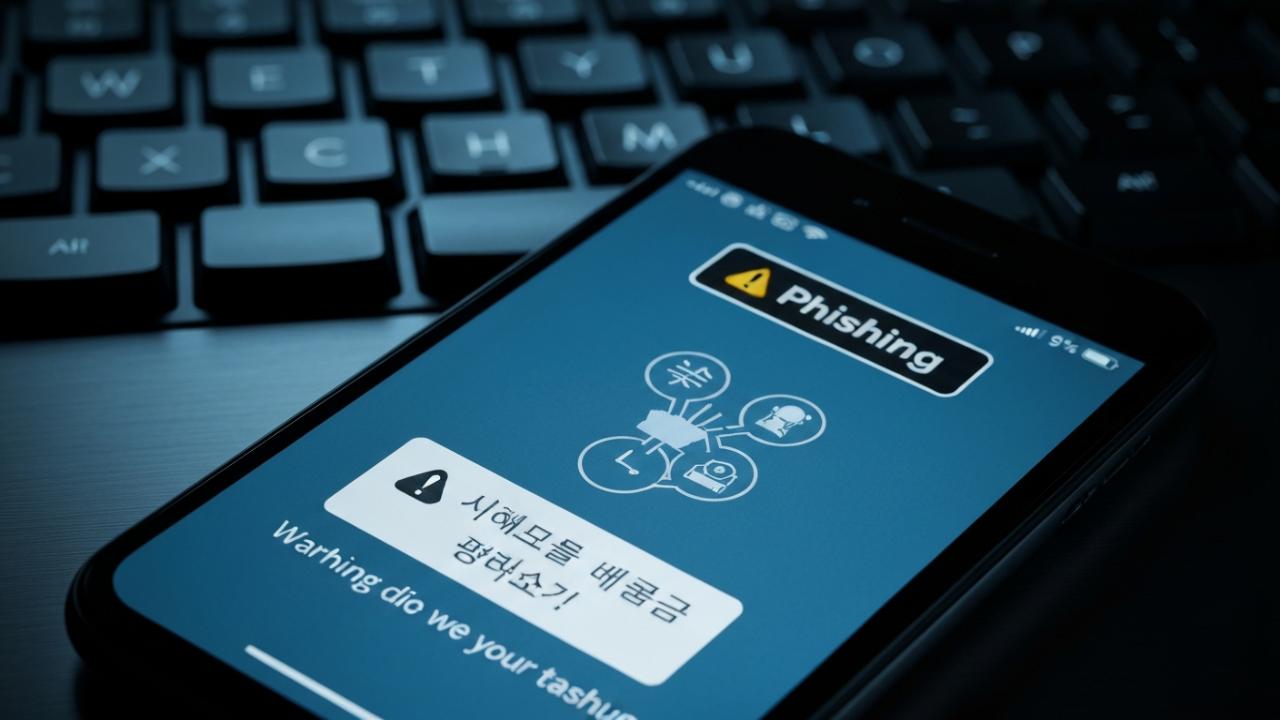
News of relief fund payments, as always, becomes a target for smishing scammers. Sure enough, warnings are already being issued to “beware of smishing scams impersonating the High Oil Price Relief Fund.” Remember this fact: “The government, local authorities, or card companies will never send notification texts containing URLs.”
- Only use official channels:
- Never click on links included in texts from unknown sources; delete them immediately.
- Never respond to requests for personal or financial information.
- If you receive a suspicious text, you can get help through the Korea Internet & Security Agency’s ‘Smishing Check Service’ or its counseling center (118).
- If actual financial damage occurs, you must immediately report it to the National Police Agency’s Integrated Response Center (1394).
These warnings clearly show the government’s anxiety about potential secondary damages even while distributing relief funds. You might think ‘I just won’t fall for smishing,’ but falling for clever tactics can happen in an instant. The ‘golden rule’ is to only use official channels.
The High Oil Price Relief Fund will undoubtedly be a small help in enduring these difficult times. Make sure to accurately understand the application period and methods, and most importantly, be careful not to fall victim to scams like smishing. Protecting your own money is always the best policy.