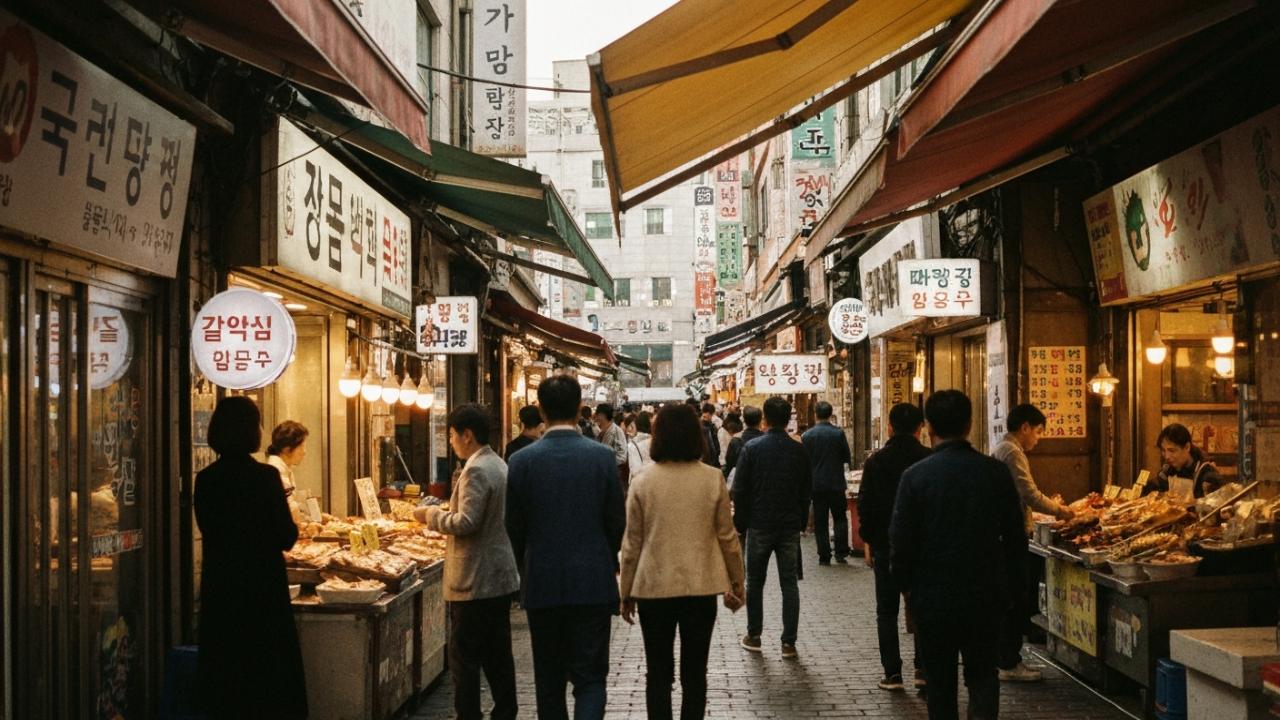
Everyone, have you heard the recent news about Gwangjang Market? There’s an uproar right now because of another rip-off price controversy that resurfaced yesterday through JTBC’s ‘Case Manager’. A Myanmar woman, who has lived in Korea for 13 years, and her Russian friend ordered dumplings, japchae, and soju at Gwangjang Market, and were charged 2,000 won for water. What’s more, the merchant reportedly said, “It’s because there are many foreigners,” which honestly left me speechless. This place has already been plagued by rip-off controversies, and this incident is truly disappointing. What’s the real story behind these recurring issues?
In fact, Gwangjang Market boasts a history of over 100 years as Korea’s first permanent market. It’s known as a food paradise and has been greatly loved by domestic and international tourists, but if these controversies continue, who would feel comfortable visiting? It seems like it’s time to properly address the accumulated problems through this incident.
The ‘2,000 Won Water’ Controversy Flares Up Again, This Time Involving Foreigners?
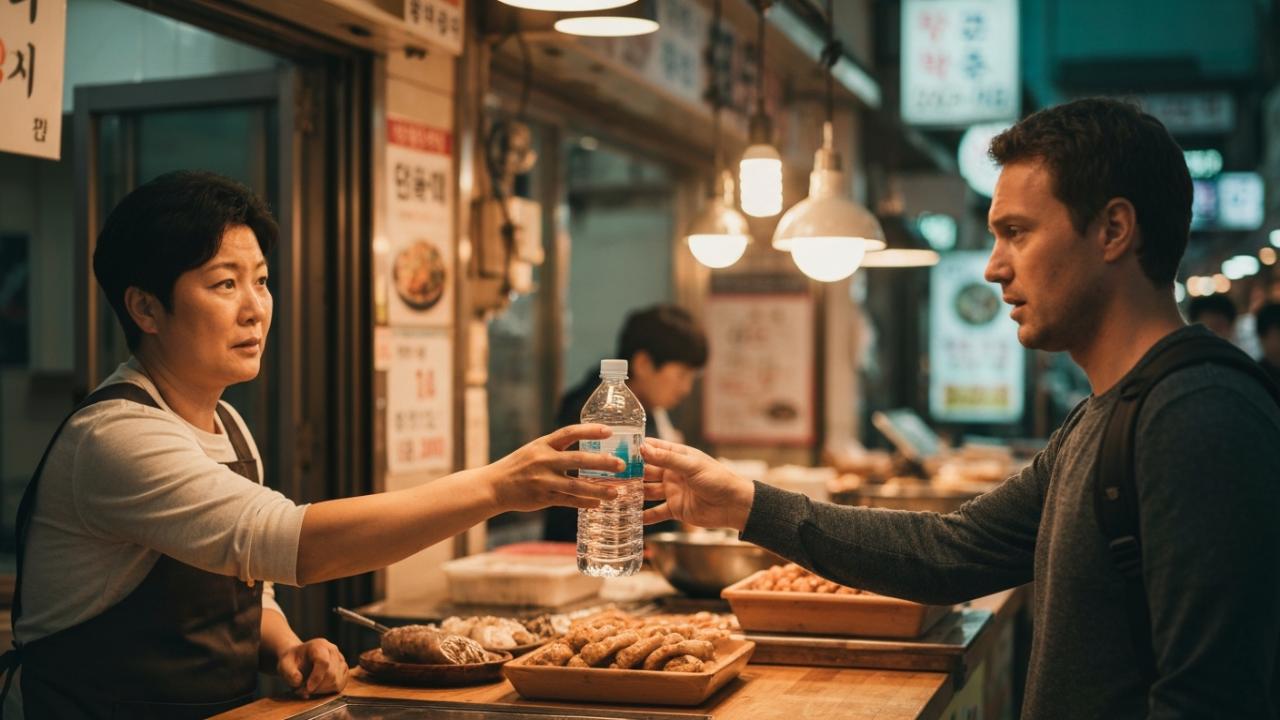
This ‘2,000 won water’ incident was truly shocking. The fact that even a foreigner who has lived in Korea for a long time experienced this is proof that rip-off prices are rampant in the market, isn’t it? Usually, water is free in Korean restaurants, but 2,000 won for an unlabeled bottle of water – I see this as clearly unfair pricing targeting foreign customers. Furthermore, the excuse ‘It’s because there are many foreigners’ is even more absurd.
- Past Rip-off Controversy Cases:
- Charging high prices for ridiculously small portions of kimbap, or subtly adding un-ordered items to the bill.
- Selling specific food items mixed with different parts to inflate prices.
- Demanding prices not listed on the menu, or being reluctant to accept card payments.
Looking at these cases, I believe it’s not just a problem of one or two stalls, but inevitably leads to distrust in the overall commercial order of the market. It’s only a matter of time before Gwangjang Market’s reputation is tarnished.
A Chronic Problem, What Has the Merchant Association Done?
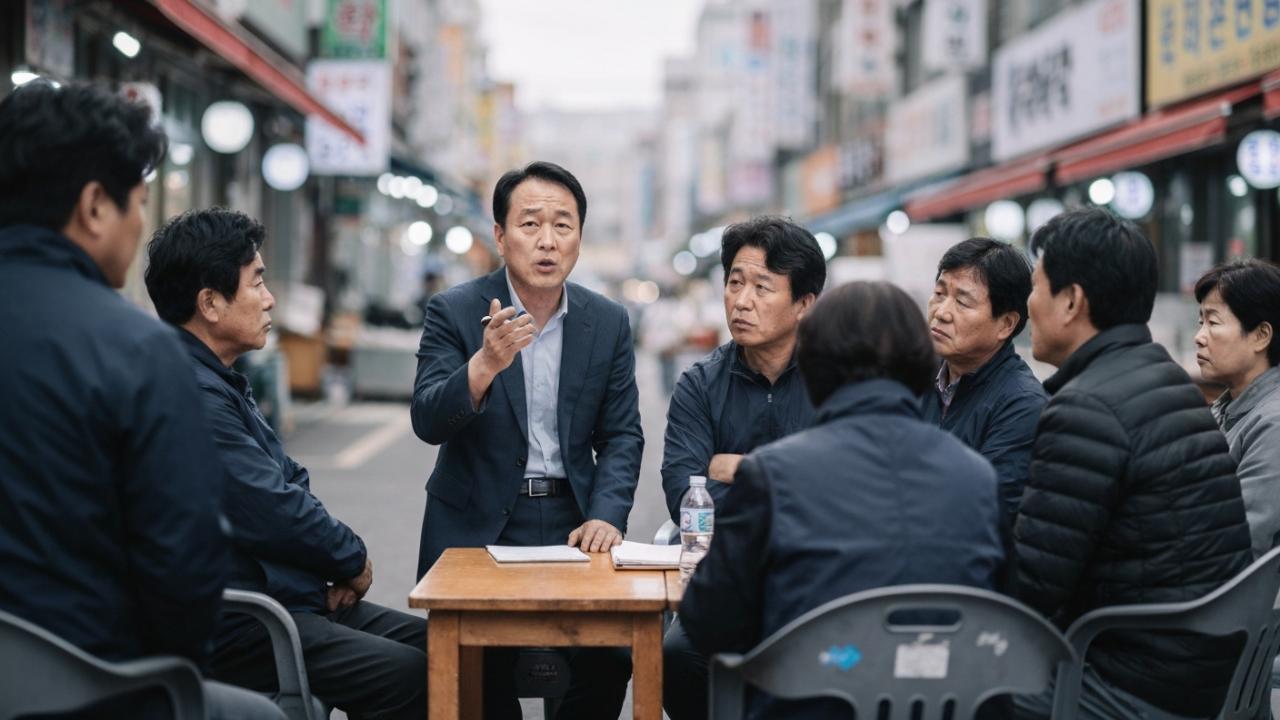
The controversy over rip-off prices at Gwangjang Market is not new. Late last year, there was news that general stores were even considering a lawsuit against street vendors over similar issues. The reason was that the market’s overall image was deteriorating, leading to fewer customers. The merchant association claims to consistently educate merchants and make self-correction efforts, but it’s hard to feel the impact. Given that these problems keep emerging, it seems there’s a lack of substantial change.
- Difficulties in Problem Solving:
- Difficulty in managing and setting prices independently by individual street vendors.
- Lack of effectiveness in crackdowns and penalties.
- The surge in demand due to increased tourism encourages some merchants to operate with impunity.
Ultimately, I believe this chronic problem cannot be solved without the strong will of the merchant association and relevant authorities, along with a change in the merchants’ own perceptions. Chasing only immediate profits will eventually lead to losing the trust of the entire market.
Why Gwangjang Market is Loved Despite the Controversies
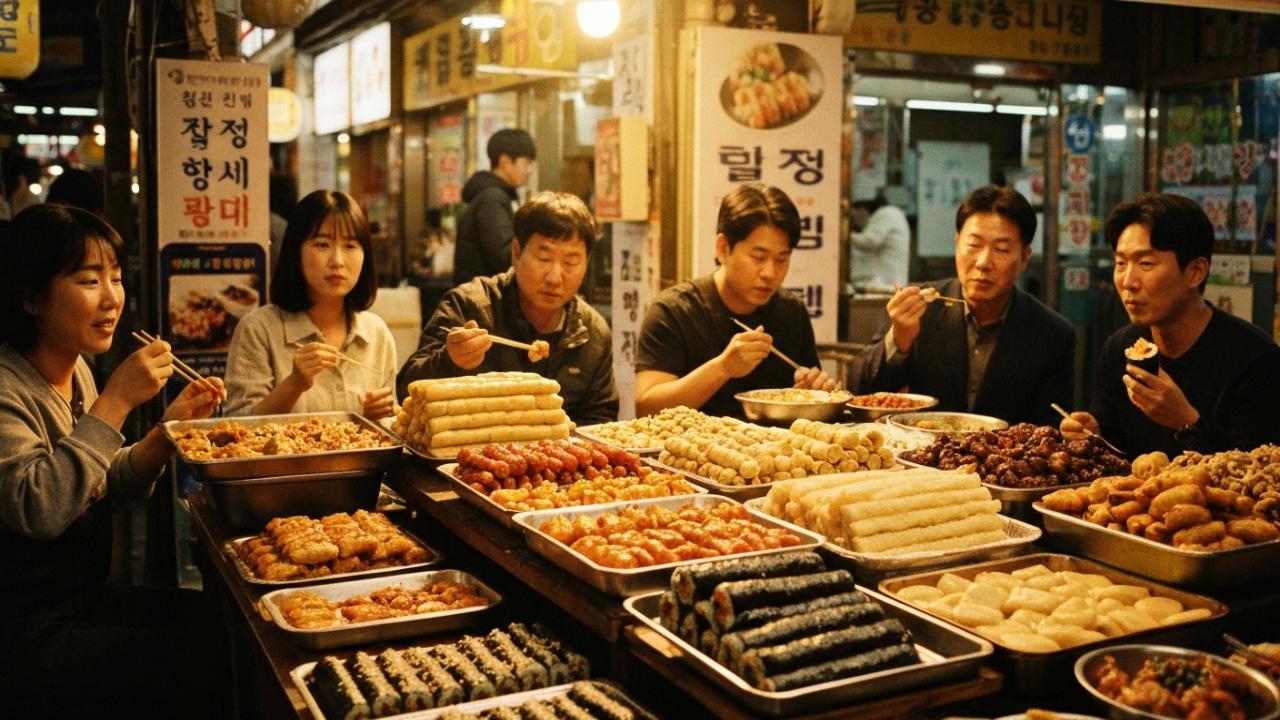
Even with these endless controversies, why is Gwangjang Market still loved by so many people? In fact, this place isn’t just about selling food. It holds great historical value as the first permanent market established in Korea in 1905, and it’s like a living cultural heritage of Seoul itself. From traditional textiles like silk, fabric, and hanbok to vintage clothes, and a variety of items where you can find anything, it creates a unique atmosphere.
- Gwangjang Market’s Charm Points:
- Diverse Food: There are many famous eateries with long queues, offering bindaetteok, yukhoe, mayak gimbap, twisted donuts, kalguksu, and more.
- Unique Atmosphere: The bustling crowds and vibrant market energy are charms that are hard to experience elsewhere.
- Accessibility: Located right in front of Jongno 5-ga Subway Station, it’s very easy to get to.
- Cultural Symbolism: It’s a globally famous spot, visited by international celebrities like Sam Smith and Jessica Alba.
Perhaps that’s why many people return despite their complaints. Beyond just the food, it’s likely due to the emotional experience and historical value the market offers.
Gwangjang Market is undoubtedly one of Seoul’s representative attractions. However, the ongoing rip-off price controversies are eroding the market’s precious value. I hope that this ‘2,000 won water’ incident serves as an opportunity for merchants themselves to show genuine change. Only then can it remain a truly beloved attraction for a long time.