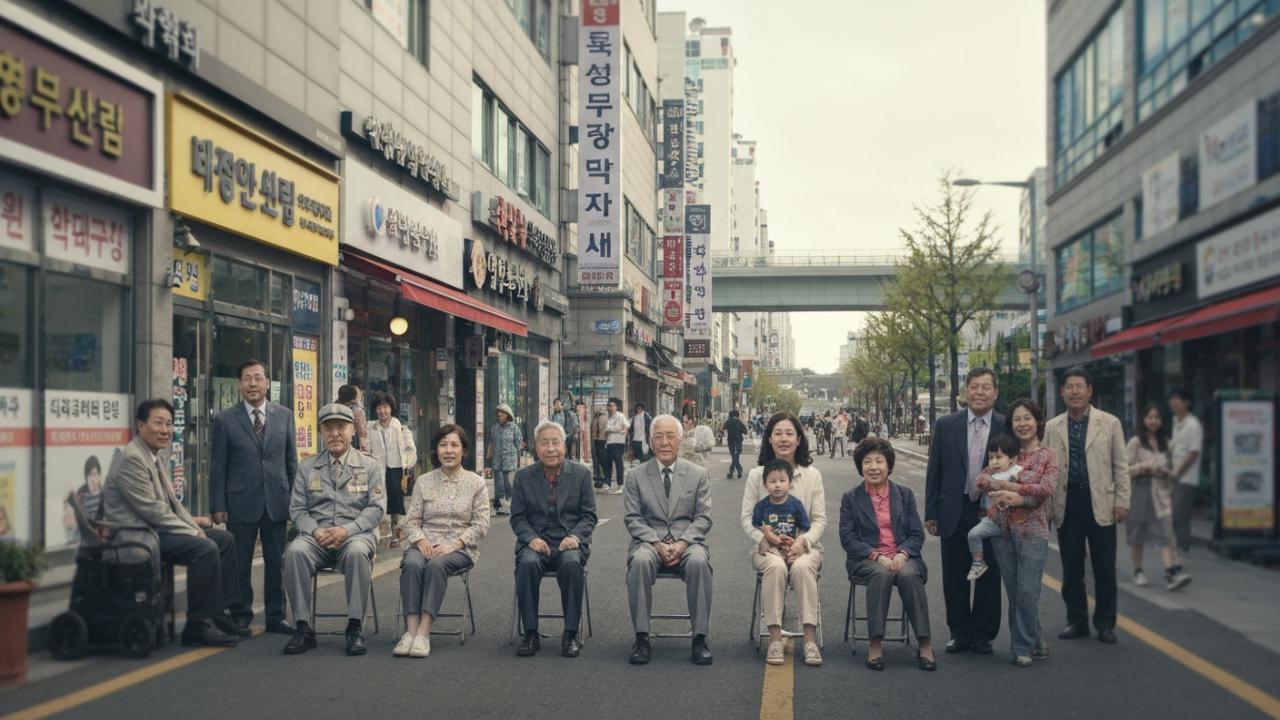
Gyeonggi-do policies Everyone, Gyeonggi-do has really prepared for a lot of changes in 2026. While new policies are introduced every year, I was particularly surprised this year by the significant content that will directly affect the lives of residents. It’s not just improving a few areas; it’s an all-around upgrade from welfare to transportation, economy, and even human rights. It feels like they’re laying the groundwork for a truly ‘good life,’ wouldn’t you say?
Honestly, it’s not easy to keep track of all these policies in our busy daily lives. So, I’ve extracted the key points and organized them simply and clearly, as if I were telling a friend. Let’s take this opportunity to see what changes await us and make sure we take full advantage of all the benefits!
Major Welfare Benefits Changing – Don’t Miss Out!
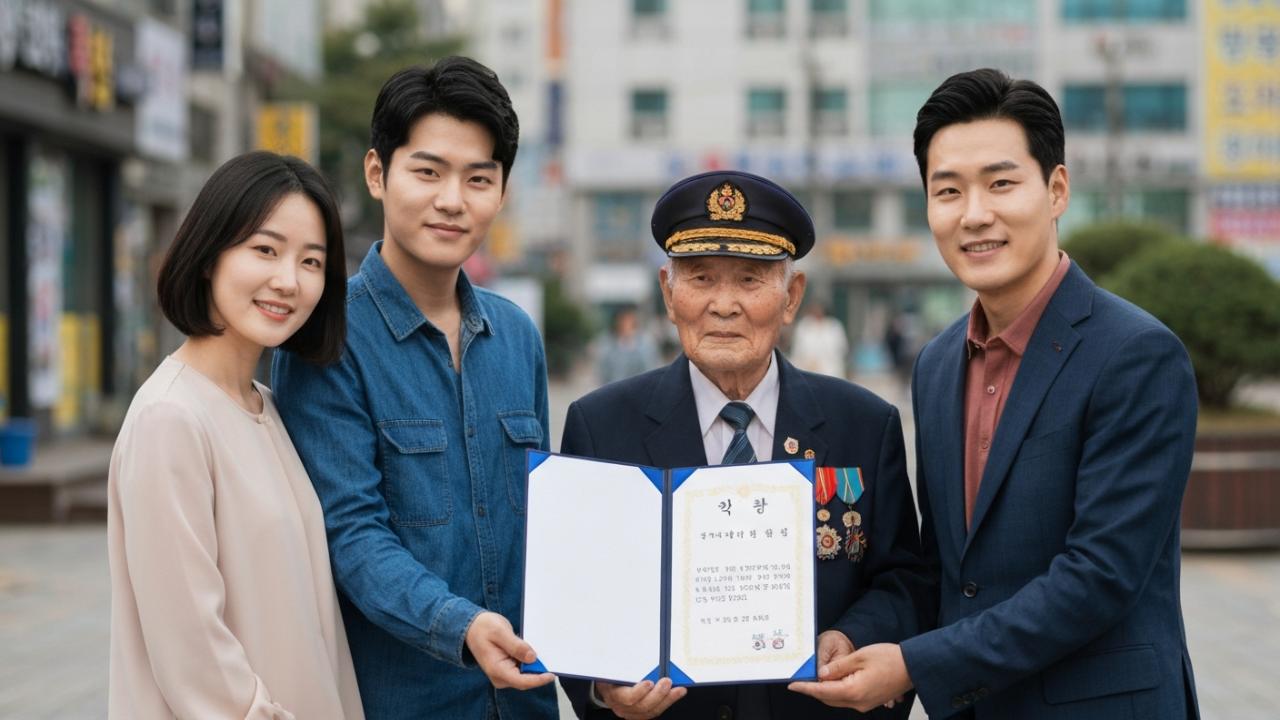
The first thing that stands out is, of course, the welfare sector. Gyeonggi-do is sparing no effort to provide various support so that all residents, including the socially vulnerable, can live better lives. Here are a few notable points:
- Increased Honorary Allowance for Veterans: The honorary allowance paid to veterans of the Korean War and Vietnam War has significantly increased from 600,000 won to 800,000 won annually. This is the result of continuous increases during the 8th popular election term, showing gratitude and respect for their past efforts.
- Welfare Points for Young Newlyweds: 2,880 young newlywed couples residing in Gyeonggi-do will receive welfare points worth 500,000 won as a congratulatory gift. This will be quite a substantial help for newlyweds.
- Gyeonggi Ultra-Low Credit Loan 2.0 Implemented: The ultra-low credit loan for residents with low credit scores who had difficulty accessing institutional finance is upgraded to version 2.0. Up to 2 million won can now be repaid over a maximum of 10 years, and comprehensive support is provided, from pre-loan counseling to post-management.
- Integrated Care Service in 31 Cities/Counties Begins: In line with the implementation of the ‘Integrated Care Support Act’ in March 2026, integrated care services will be fully implemented in 31 cities and counties within Gyeonggi-do. Now, residents can receive linked support for health and medical care, long-term care, and daily care simply by applying at their local eup/myeon/dong office.
- AI-based Breast Cancer Screening Introduced: To improve the health of female residents, blood tests and AI-based breast cancer screenings are being introduced to dramatically increase the early detection rate. This is truly advanced medical welfare.
Transportation and Economy: Breathing Room with Changes

Commuting and living expenses are burdens many have felt at some point. Gyeonggi-do has introduced groundbreaking policies in the transportation and economic sectors to alleviate these practical difficulties for residents.
- 50% Support for Ilsan Bridge Tolls: Starting January 1st, the first day of the new year, 50% of the toll fees for all vehicles using the Ilsan Bridge will be supported. This is expected to significantly reduce the toll burden for residents in northern Gyeonggi areas such as Goyang, Paju, and Gimpo. Isn’t this truly a ‘better for everyone’ situation?
- Expansion of 4.5-Day Work Week Pilot Program: The 4.5-day work week pilot program for small and medium-sized enterprises continues. 30 new participating companies will be recruited, and employment incentives will be provided per worker to help them find a balance between work and life.
- Increased Living Wage: The Gyeonggi-do living wage for 2026 has been set at 12,552 won per hour (2.62 million won per month). This is a 3.3% increase from the previous year, which will hopefully provide some relief to low-income workers.
- Expanded Coverage for Gyeonggi Climate Insurance: The Gyeonggi Climate Insurance, the first of its kind nationwide, expands its coverage to include 2 million won for death due to heatstroke, cold-related illnesses, and climate disaster accidents. It will serve as a strong safety net against unpredictable climate change.
Strengthening Residents’ Human Rights and Preparing for the Future
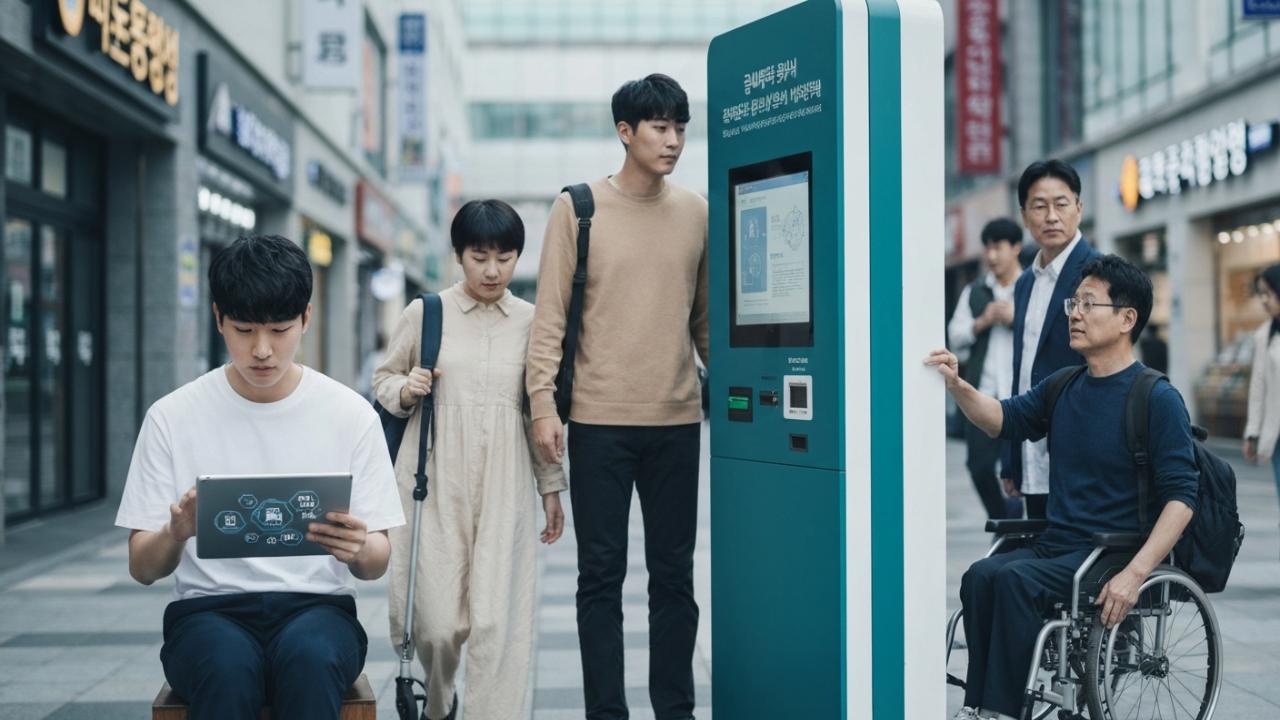
Gyeonggi-do is not just addressing current inconveniences; it is also actively strengthening residents’ fundamental human rights and preparing for future society. This shows the deep consideration of Gyeonggi-do.
- Expanded Human Rights Protection Areas: Gyeonggi-do has expanded its human rights protection areas from 12 to 17. Specifically, five new areas – victims of state violence, medical care, digital, culture, and residence – have been included, establishing an even more comprehensive human rights protection network.
- Youth AI Growth Voucher Program: The ‘Youth AI Growth Voucher’ program is being promoted to enhance young people’s artificial intelligence (AI) utilization skills. This supports young people, the protagonists of future society, so they are not excluded from the benefits of technological innovation.
- New AI Chatbot-based Immigrant Portal: Childcare support payments will be provided to undocumented foreign children, and an AI chatbot-based ‘Gyeonggi Immigrant Portal’ will be established to help immigrants settle. I believe this is a good example of inclusive welfare policy.
Looking at Gyeonggi-do’s policy changes for 2026, efforts to practically improve the lives of residents are evident everywhere. I hope these policies are well-established so that all Gyeonggi-do residents can have a happier and more prosperous year. Why not continue to pay attention to the changes that will positively impact our lives?