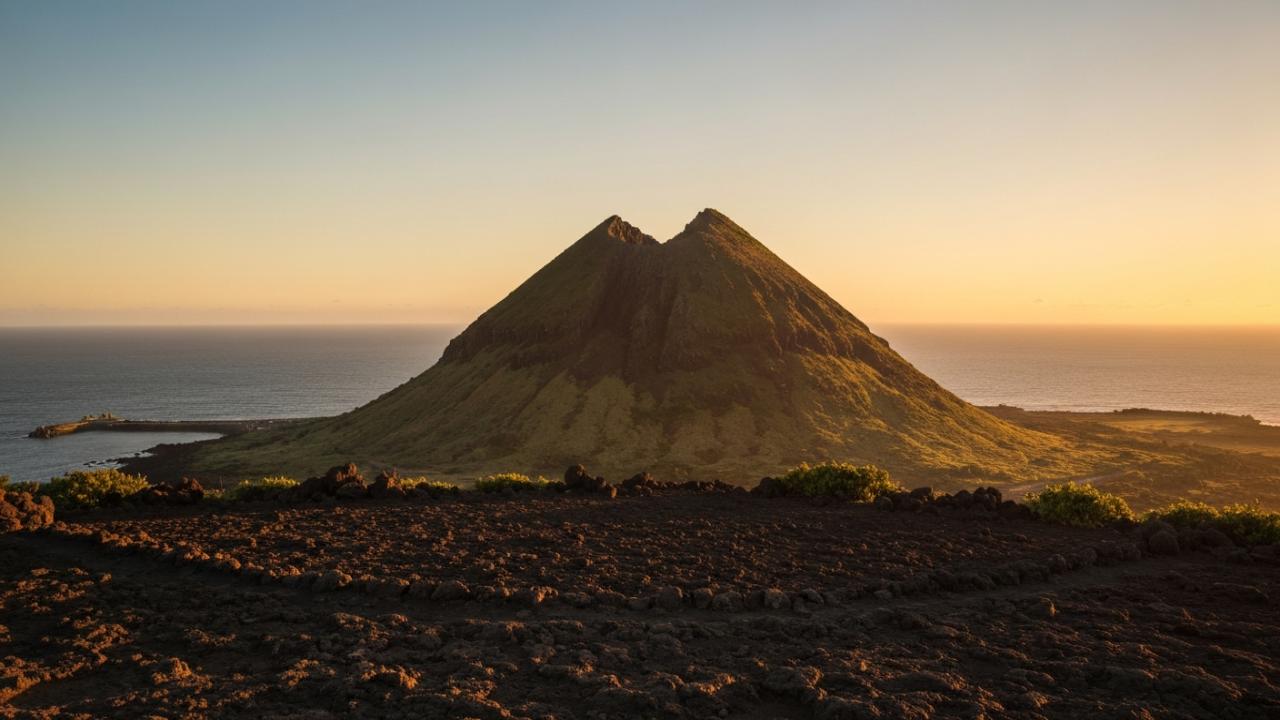
Jeju Island tourism Haven’t you heard the news? Jeju Special Self-Governing Province has once again received global recognition! The famous travel guide Lonely Planet has listed Jeju among its ‘Top 25 Must-Visit Destinations in the World’ for 2026. Just like its nickname ‘Korea’s Hawaii,’ its pristine nature and unique cultural heritage have finally made it onto the bucket list of people worldwide. Honestly, as a Jeju resident, I’m sure I’m not the only one feeling proud.
But we can’t just be happy, because if you look closely, the reality isn’t all rosy. Especially since the mutual visa-free policy between Korea and China was implemented at the end of 2024, there’s been a lot of talk about changes in tourist traffic. This means that despite external praise, there are still many internal challenges to solve. That’s why Jeju is now focusing on ‘how to make tourists stay’ rather than just ‘how to attract many visitors.’
Jeju, A ‘2026 Must-Visit Destination’ Recognized by Lonely Planet
Lonely Planet’s selection of Jeju as one of the ‘Top 25 Must-Visit Destinations in the World’ for 2026 is truly remarkable. Every year, experts review and select regions from cities, islands, and countries worldwide that will lead the next generation of travel trends. Being on par with formidable places like Phuket, Thailand, and Maine, USA, is proof that Jeju has now grown beyond Asia to become a true global tourist destination.
- Seongsan Ilchulbong (Sunrise Peak): The majestic sunrise is a must-see, no words needed.
- Hallasan Mountain Snowscape: Winter Hallasan is a painting in itself.
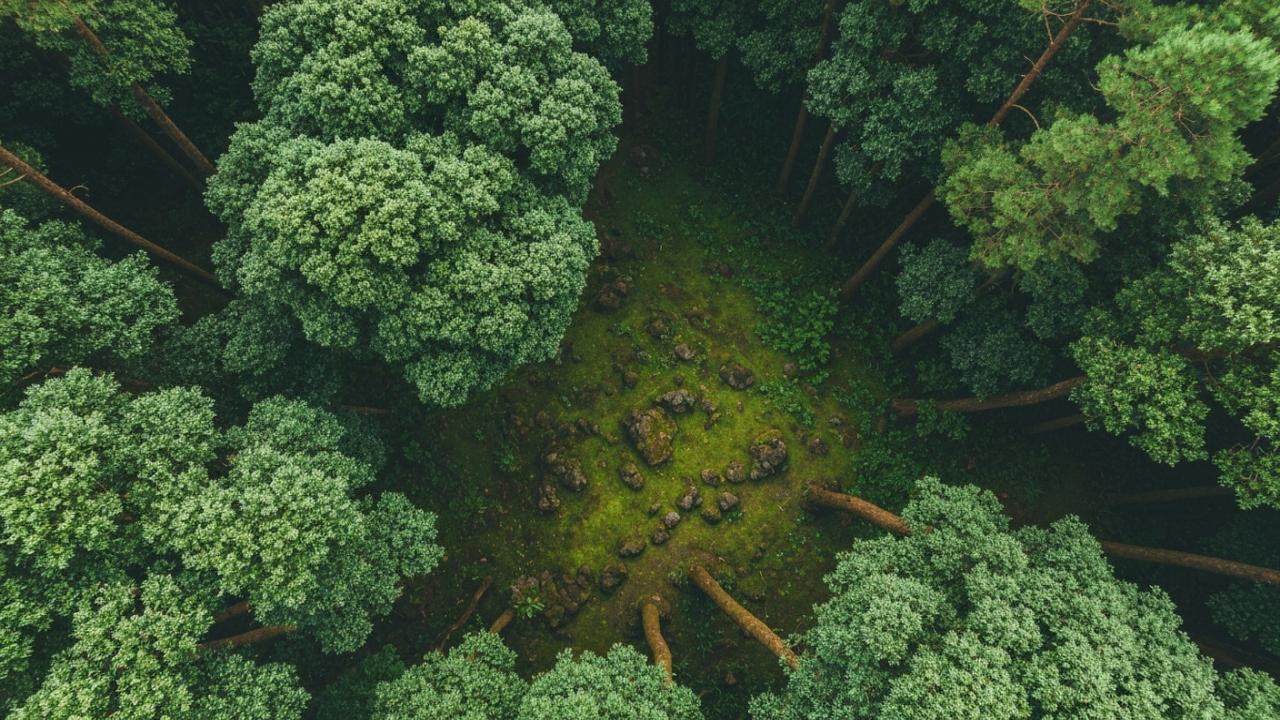
- Jeolmul Natural Recreation Forest: Healing in the lush forest trails is essential.
- Haenyeo Culture: The sight of the diving women (haenyeo) and local dishes like seafood noodles and abalone porridge are also not to be missed.
The Paradox of the Visa-Free Policy: Are Chinese Tourists Changing Their Minds?

However, behind all this global praise, there’s a somewhat bitter reality. With the implementation of the mutual visa-free policy between Korea and China in November 2024, some analyses suggest that Jeju’s exclusive visa-free status has become a critical blow. In the past, Jeju was overwhelmingly popular as the only Korean city where one could visit without a visa, but now that Seoul, Busan, and other cities are also accessible visa-free, tourists have started making more rational choices. After all, Seoul offers richer shopping and cultural content, doesn’t it? Perhaps that’s why, according to 2026 data, while search volume for Jeju remains high, the gap with Seoul and Busan has significantly narrowed. I believe this is a stark warning that Jeju can no longer rely solely on its ‘visa-free advantage.’
- Past: Jeju (visa-free) vs Seoul/Busan (visa required) → Jeju’s overwhelming victory
- Present: Jeju (nature) vs Seoul (culture/shopping) vs Busan (city+sea) → Increased competition
- Change in tourist intent: Psychological shift from ‘Jeju visa-free’ to ‘If no visa is needed anyway, why not Seoul?’
Jeju Special Self-Governing Province Finds a Breakthrough with ‘Quality Tourism’ and ’15-Minute City’
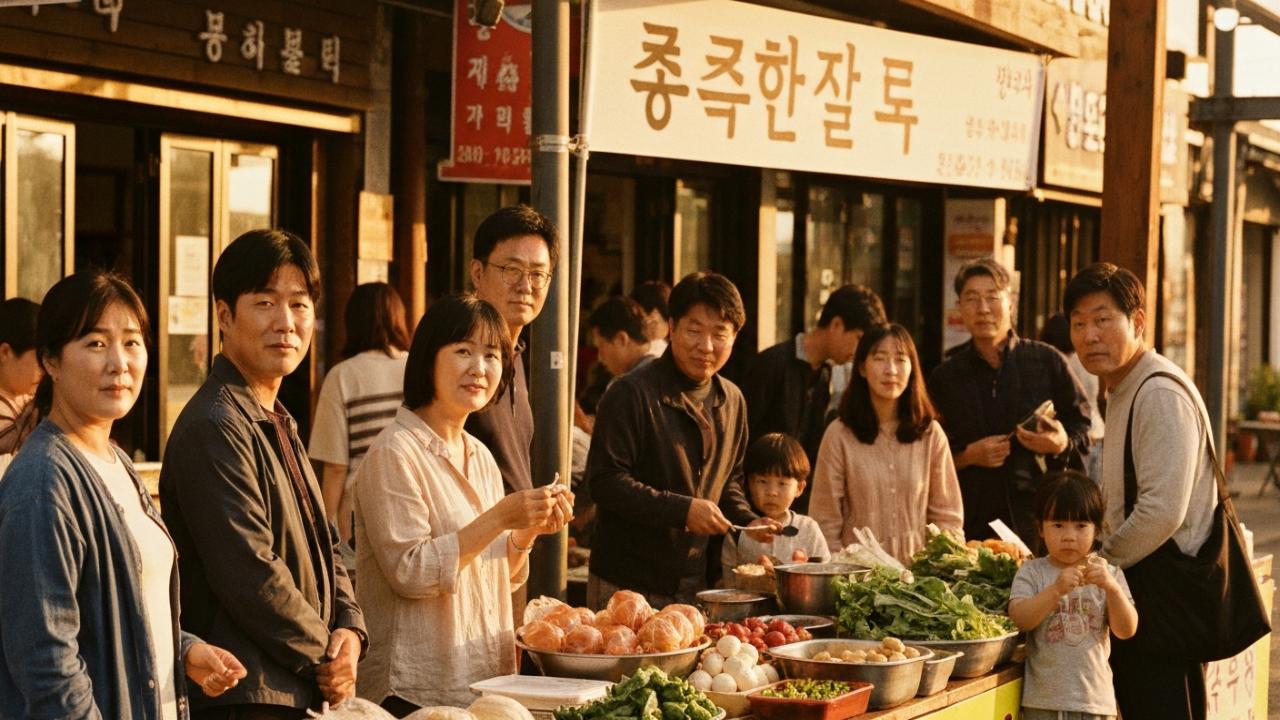
Jeju Island is well aware of this situation. Therefore, in 2026, Jeju Special Self-Governing Province has decisively shifted its direction towards ‘quality tourism focused on staying, not just visiting.’ Beyond simply attracting many visitors, the goal is to encourage longer stays that genuinely benefit the local economy. Representative efforts include expanding support for the MICE industry, strengthening the competitiveness of tourism businesses through digital transformation, and developing culinary content utilizing local culture and ingredients. Furthermore, by placing sustainable travel culture, such as ‘Promise with Jeju,’ at the core of its policies, Jeju also emphasizes the coexistence of environment and local community.
It’s not just about tourism. Efforts to improve the quality of life for residents are also underway. In 2026, Jeju plans to invest 18.9 billion won intensively in the ’15-minute city Jeju’ pilot zone to create tangible changes that residents can experience in their daily lives. Population policies such as congratulatory grants for young people moving in and grandparent childcare allowances are also actively being pursued. The will to create a sustainable Jeju by fostering future growth industries like AI, space, and carbon neutrality is also evident.
- Tourism Strategy:
- Attracting and expanding support for the MICE industry
- Supporting digital transformation for tourism businesses, including digital multilingual menus and shared offices
- Encouraging repeat visits with specialized products such as gourmet food, wellness, and value experiences
- Urban and Population Policies:
- Investing 18.9 billion won in the ’15-minute city Jeju’ pilot zone
- Supporting population inflow and childcare with congratulatory grants for young people moving in and grandparent childcare allowances
- Fostering new future industries such as AI, space, and green hydrogen
In conclusion, Jeju Special Self-Governing Province is currently facing a challenging reality despite its global reputation. It is drawing a bigger picture for a sustainable future beyond a simple tourist destination image. It will be interesting to see how Jeju transforms in 2026. I look forward to it.