Honestly, don’t you just sigh when you look at the current international situation? The Middle East, in particular, feels like a ticking time bomb that could explode at any moment. Everyone was already on edge with the news of Iran’s port blockade. But yesterday, another truly shocking piece of news emerged.
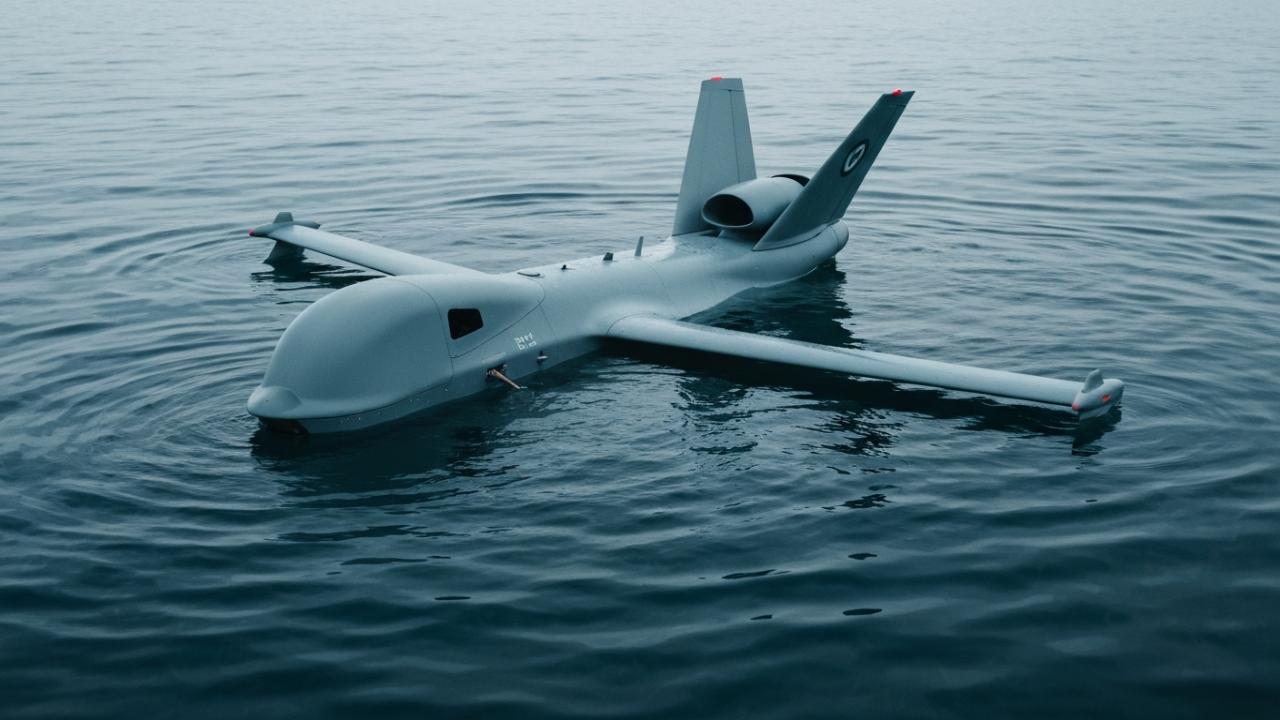
It’s the news that a state-of-the-art US military unmanned reconnaissance aircraft, valued at over 350 billion won, crashed near the Strait of Hormuz. The crash was confirmed five days after it went missing, indicating a truly unusual situation. Let’s delve into what this incident really means and why it happened now.
The 350 billion won ‘Eye in the Sky’ MQ-4C Triton, what kind of drone is it?
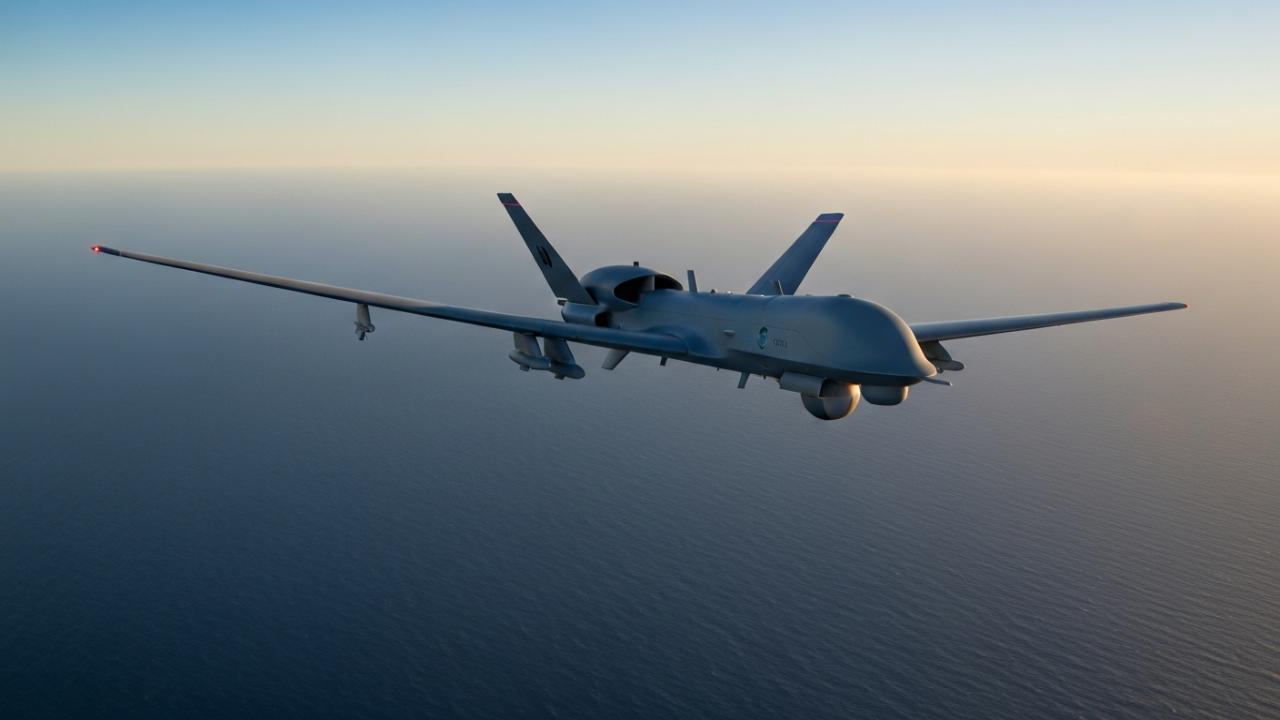
The US military unmanned reconnaissance aircraft that crashed is the MQ-4C Triton. Doesn’t the name itself sound cool? This drone is so remarkable that each unit costs a whopping 238 million dollars, or about 350.7 billion won in Korean currency, making it an incredibly high-value asset. It truly deserves to be called the ‘Eye in the Sky.’
- High-altitude, long-endurance capability: It can fly at altitudes of over 50,000 feet (about 15 km) for more than 24 hours, monitoring vast maritime areas for extended periods.
- State-of-the-art surveillance equipment: It is equipped with an Active Electronically Scanned Array (AESA) radar capable of detecting thousands of targets simultaneously, electro-optical/infrared cameras, and electronic intelligence gathering equipment.
- Key reconnaissance asset: Operated by the US Navy for maritime surveillance, it has been performing critical surveillance missions in the Middle East.
For such an incredible drone to suddenly disappear and crash, it must be a truly painful loss for the US military. It’s not just a matter of money; the significant blow to intelligence gathering capabilities in the Middle East is even more critical.
The Strait of Hormuz, why has it become such a hot potato?
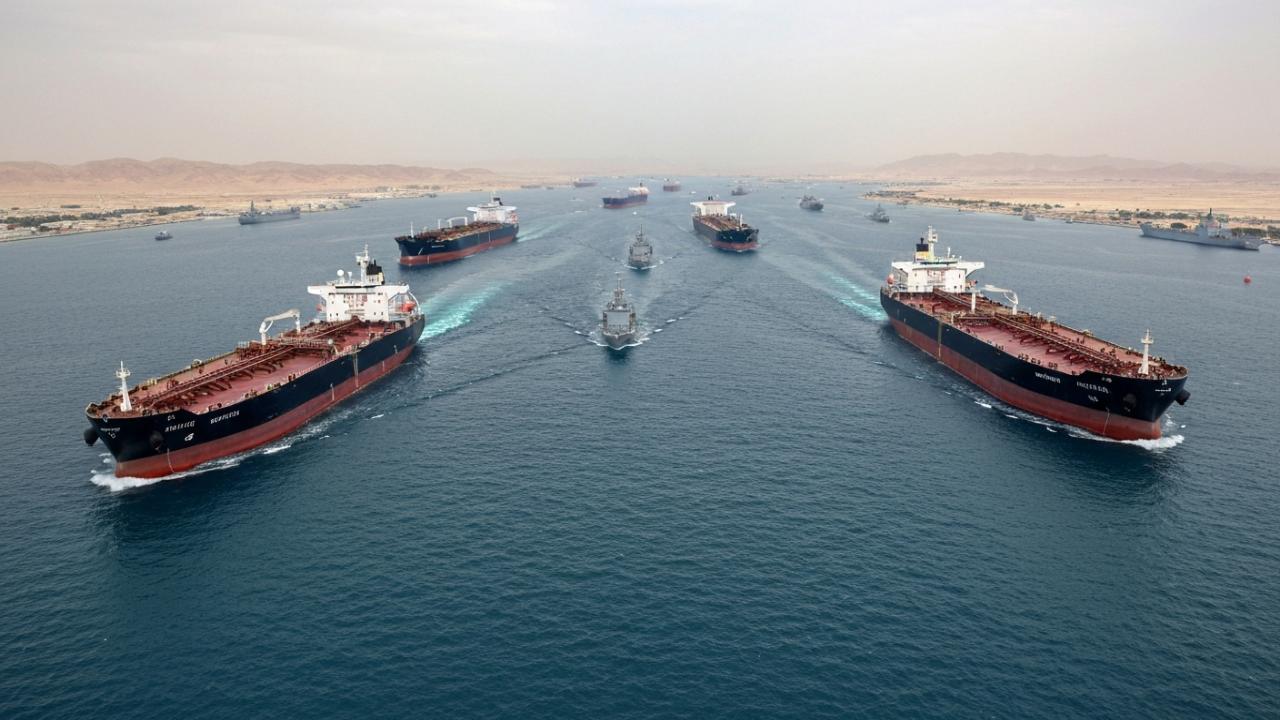
The Strait of Hormuz, where this drone crash occurred, is essentially a ‘powder keg’ of international affairs. Do you know why it’s so important? Approximately 20% of the world’s crude oil and gas shipments pass through this strait. It is, quite literally, an energy artery.
You’re all aware that tensions in the Middle East have been escalating recently. In particular, with the deepening confrontation between the US and Iran, on April 13, the US military began a blockade of all maritime traffic entering and exiting Iranian ports. This measure, based on a proclamation by President Trump, is truly serious. While they stated they would not impede the passage of vessels through the Strait of Hormuz that are not bound for Iranian ports, it signifies a significant increase in military pressure in the region.
- Key to energy transport: As a major conduit for global oil, if it’s blocked, international oil prices are bound to fluctuate wildly.
- Front line of US-Iran conflict: It’s where military and economic pressure between the two countries clashes most directly.
- Frequent military clashes: In the past, there have been frequent minor and major clashes between US and Iranian forces in this region.
In this situation, the crash of a state-of-the-art reconnaissance drone could literally be like adding fuel to the fire. It’s already an unstable situation.
The US military’s challenge: What happens after the drone crash?

The MQ-4C Triton drone crash has presented the US military with several significant challenges. The US Naval Safety Command stated in its report that the crash occurred on April 9, but did not disclose the location of the accident due to ‘operational security.’ The cause of the accident also remains unclear.
- Risk of information leakage: If hostile forces secure the drone’s wreckage intact, there’s a growing concern that the advanced equipment and electronic information onboard could be leaked. This would be a truly serious matter.
- Escalation of regional tensions: Tensions are already at an all-time high due to the naval blockade with Iran, and this incident could further fuel military confrontation between the two countries.
- Weakened operational capability: The loss of a key reconnaissance asset will inevitably directly impact the US military’s surveillance and reconnaissance capabilities in the Middle East.
The US military news outlet ‘The War Zone’ noted that there were no signs of the crash being due to hostile action, but emphasized that the recovery of the wreckage is a crucial variable. We are truly concerned about how the US military will resolve this issue and how relations with Iran will unfold.
The conflict between the US military and Iran surrounding the Strait of Hormuz, and this drone crash in the midst of it, doesn’t seem like a simple mishap. It has become a critical issue that the whole world must watch with bated breath. We can only hope for a peaceful resolution without further unfortunate incidents.