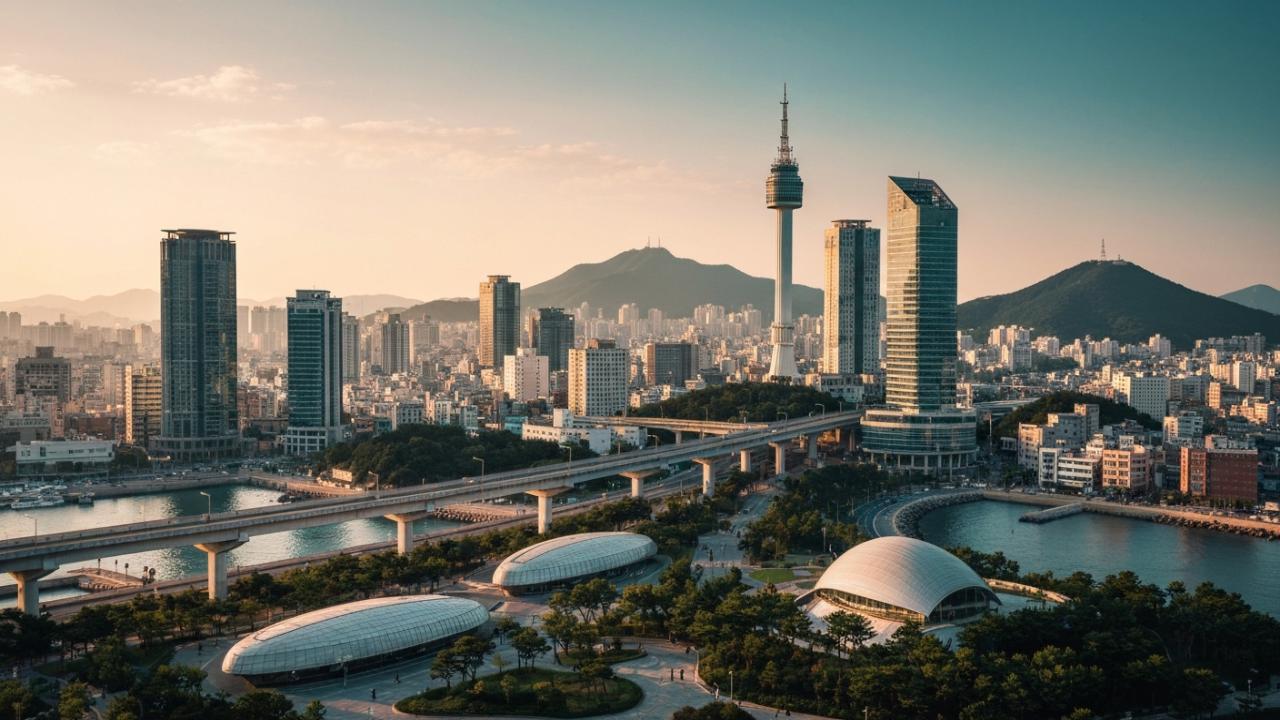
Gyeongnam-Busan special city Gyeongsangnam-do and Busan – you’ve all heard the news that these two regions are joining hands to draw a new future. In fact, as the concentration in the Seoul metropolitan area intensifies, we often hear talk of local extinction. But in this situation, I believe that the proposed special law for the establishment of the Gyeongnam-Busan Integrated Special City is a real game-changer. It’s not just a simple administrative district merger; it’s an ambitious plan to create a new growth engine for the entire Republic of Korea.
This integrated special city embraces a grand vision to dismantle the Seoul-centric system and lay the foundation for region-led growth. On April 14, 2026, Busan Mayor Park Heong-joon and Gyeongsangnam-do Governor Park Wan-soo officially declared the proposal of this special law. Their core message is to secure regional financial autonomy by drastically adjusting the ratio of national to local taxes. They plan to adjust the current ratio of national to local taxes, which is approximately 7.5 to 2.5, to 6 to 4, securing over 8 trillion won in budget annually. That’s a huge financial boost!
‘Megacity’ Vision to Overcome the Seoul-centric System

Honestly, we can’t shake the feeling that South Korea is too concentrated in the Seoul metropolitan area. All infrastructure, jobs, and culture are concentrated in and around Seoul, so other regions are inevitably marginalized. I believe this is the real reason why the Gyeongnam-Busan Integrated Special City is being promoted. It’s about creating a new growth axis to counter the Seoul-centric system.
If this special city is established, many things will change.
- Strengthened Super-Regional Cooperation: Busan and Gyeongnam will be bound together as a single living area, creating synergy in overall areas such as transportation, industry, and culture.
- Balanced National Development: It will contribute to the balanced development of the entire nation by dispersing the population and capital concentrated in the Seoul metropolitan area.
- Securing Global Competitiveness: It will lay the foundation for leaping beyond a simple local city to become a megacity with global competitiveness.
Great Leap Forward for Gyeongnam’s Economy, Restructuring of Key Industries
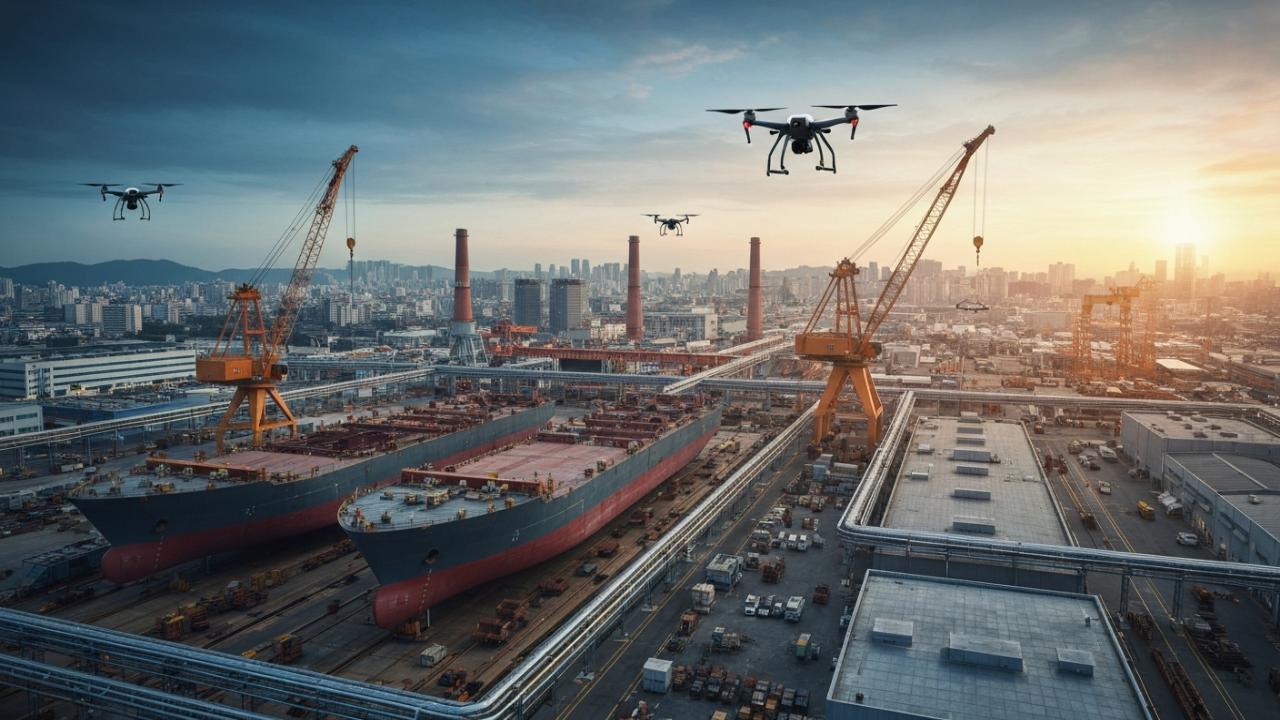
Gyeongsangnam-do reportedly regained its status as a traditional industrial powerhouse in 2026, recovering to the third-highest GRDP (Gross Regional Domestic Product) growth rate nationwide. This was a result of key manufacturing industries such as shipbuilding, machinery, aerospace, and automotive parts driving growth in conjunction with the recovery of global orders, and integration will give it wings. In particular, Gyeongsangnam-do announced its plan to intensively foster key and future industries such as defense, shipbuilding, aerospace, SMR, and manufacturing AI through its 2026 economic leap forward blueprint.
This industrial restructuring can maximize the synergy of the integrated special city.
- Establishment of Industrial Clusters: The port logistics infrastructure of Busan and the advanced manufacturing technology of Gyeongnam will combine to form a powerful industrial cluster.
- Securing New Growth Engines: By jointly fostering future growth industries such as aerospace and defense, new job creation and economic revitalization can be expected.
- Accelerating Technological Innovation: By pooling R&D capabilities, the transition to high-value-added industries such as smart factories and advanced components can be accelerated.
Changes in Residents’ Lives and Actual Effects of Integration

Ultimately, what’s important is how much better our residents’ lives will become, isn’t it? The Gyeongnam-Busan Integrated Special City is focusing on boosting residents’ felt economy and stabilizing livelihoods. The 2026 economic growth and livelihood stabilization response strategy includes practical, daily-life-oriented policies such as expanding the ‘1,000-won breakfast’ program from university students to workers, and introducing a flat-rate ‘Gyeongnam Pass’ for public transport fare discounts.
These changes will directly impact residents’ daily lives.
- Improved Financial Autonomy: With secured budgets, policies tailored to regional characteristics can be implemented to directly improve residents’ quality of life.
- Improved Transportation and Infrastructure: Expansion of the metropolitan transportation network will shorten commute times, and access to cultural and leisure facilities will become more convenient.
- Diverse Welfare Benefits: Increased tax revenue due to regional economic revitalization and central government support can lead to more welfare benefits for residents.
The integration of Gyeongsangnam-do and Busan will be a crucial step for the future of South Korea, beyond mere administrative changes. I am confident that if this special city successfully establishes itself, another powerful growth engine comparable to the Seoul metropolitan area will be born. I am truly looking forward to the future that the Gyeongnam-Busan Integrated Special City will create.