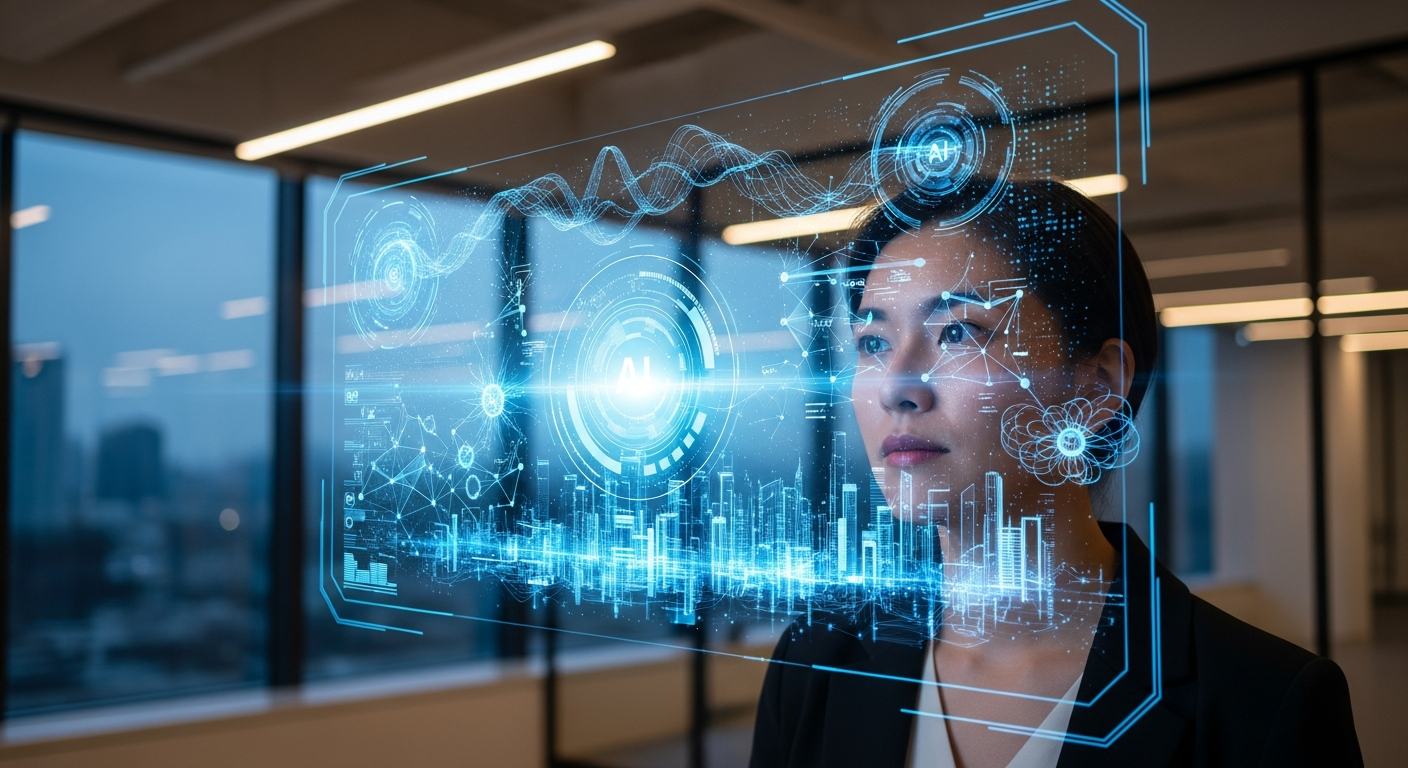
AI trends You hear a lot about artificial intelligence these days, don’t you? A few years ago, it felt like a technology of the distant future, but now it’s deeply embedded in our daily lives, often surprising us. Especially in 2026, AI is said to be a turning point, transforming our way of life beyond just being a simple tool. I was personally very curious, so I looked up some of the latest news.
Honestly, it’s hard to predict how far AI will develop. Experts agree that while AI will make our lives more convenient, it will also present new challenges. This year, in particular, seems to mark the full-fledged beginning of an era where AI truly becomes an ‘agent,’ which makes me both excited and a little worried.
AI Becomes an ‘Agent’ That Judges and Acts Independently

If previous AI was like a smart assistant that answered our questions and wrote text as instructed, now we’ve entered the era of ‘agentic AI’ that sets its own goals and executes them. Isn’t that amazing?
For example, if you say, “Plan a trip to Jeju Island,” AI will automatically handle everything from booking flights and accommodation to even making payments. In the corporate world, it’s even more surprising:
- If inventory is low, AI places orders autonomously.
- It assists in planning and executing marketing campaigns.
- It handles knowledge retrieval or draft creation in specialized fields like law, accounting, and development.
It’s projected that over 40% of enterprise applications will incorporate such agent-type AI by the end of 2026. It’s moving beyond merely assisting human capabilities to becoming a powerful collaborator. I’m really looking forward to how much this change will boost our work productivity.
AI Taking Care of Our Health: Will It Be the Key to Bridging the Healthcare Gap?
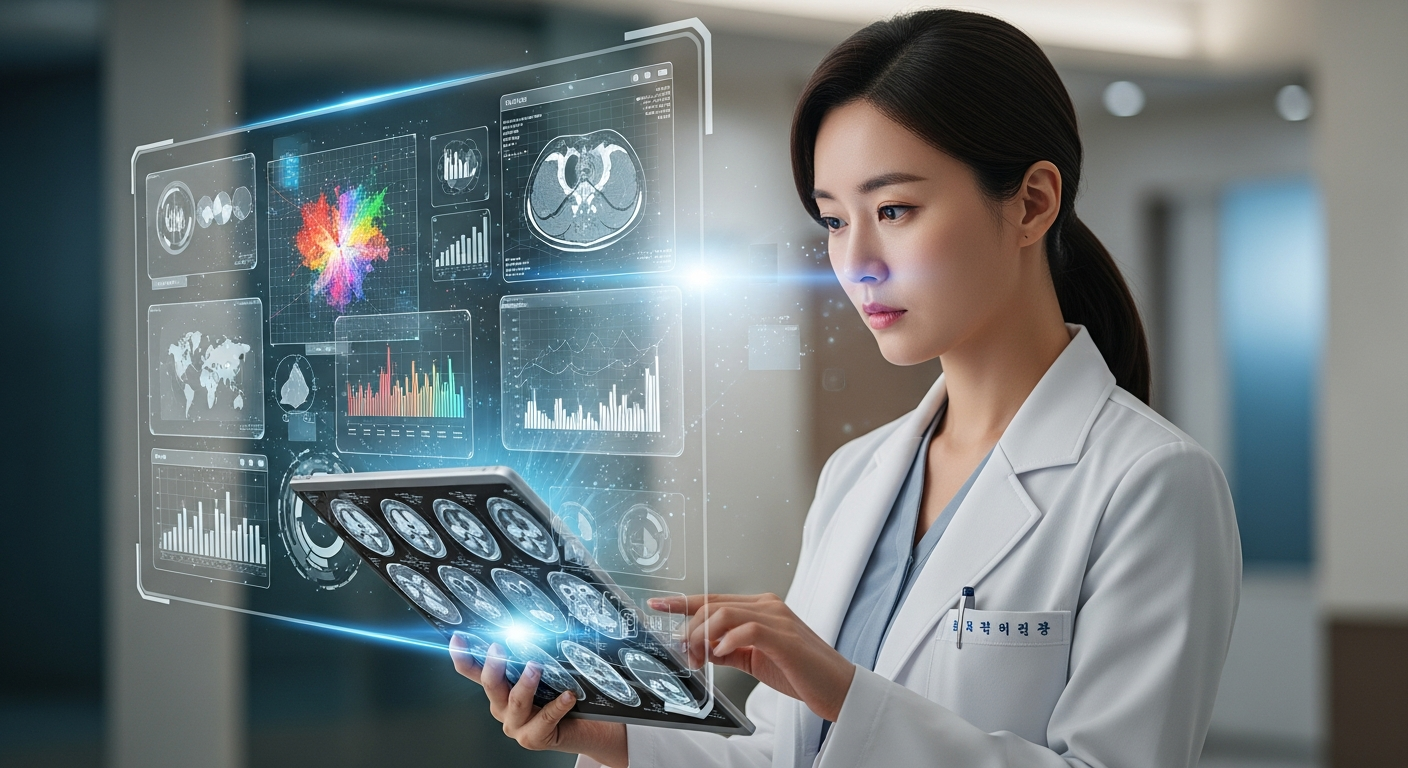
Personally, the development of AI in the medical field is truly welcome news. The World Health Organization (WHO) warned that there will be a global shortage of approximately 11 million healthcare workers by 2030. This could leave as many as 4.5 billion people without access to essential medical services.
However, AI is expected to be a great help in solving this problem. Microsoft’s AI diagnostic orchestrator, ‘MAI-DxO,’ showed an impressive 85.5% accuracy in diagnosing complex medical cases. Considering that the average diagnostic accuracy of a skilled doctor is around 20%, this is truly remarkable.
AI is expanding its scope beyond diagnosis to include symptom classification and treatment planning. Services like Copilot and Bing are handling over 50 million health-related inquiries daily, so AI seems poised to play a huge role in helping us better understand and manage our health.
New Concerns Brought by AI: Who Is Responsible for Accountability and Safety?

While AI’s rapid development brings many benefits, there are also concerns, aren’t there? Especially the anxiety about what happens if an AI agent makes a wrong decision while judging and acting independently – I’m sure I’m not the only one who feels this.
For example, the debate over who is responsible – the developer, the operator, or the user – when financial losses occur due to an AI agent’s misjudgment is already a hot topic. It’s like the second round of the autonomous vehicle liability debate, so it’s a really important issue.
That’s why in Korea, the ‘Framework Act on the Promotion of Artificial Intelligence and the Creation of a Trustworthy Environment’ (AI Framework Act) is set to be fully implemented this year. For ‘high-risk AI’ that significantly impacts our lives, such as in healthcare, energy, and transportation, the management obligations of businesses will be strengthened. I believe that social consensus and regulations are truly necessary for the ethical and safe use of AI, rather than just advocating for technological advancement.
Conclusion
In 2026, artificial intelligence seems to have become an incredibly important part of our lives. AI, which once only followed orders, is now a partner that judges and acts independently, and even helps protect our health.
Of course, this also deepens concerns about the responsibility and safety of the technology. I believe it’s really important to understand these changing trends well and respond wisely. I hope we can all work together with AI to create a better future!