Seriously, have you seen the news lately? I feel like the world is going through some really unsettling times. Middle East news, in particular, has always been a source of anxiety, and now the story of the Strait of Hormuz has resurfaced.
The news is that the UN Security Council (UNSC) has once again postponed the vote on a resolution to ‘forcibly open’ the Strait of Hormuz. Personally, I’m extremely worried about whether this is the right thing to do, or if it’s just fueling a bigger fire.
1. What is the Strait of Hormuz, the World’s Energy Artery?
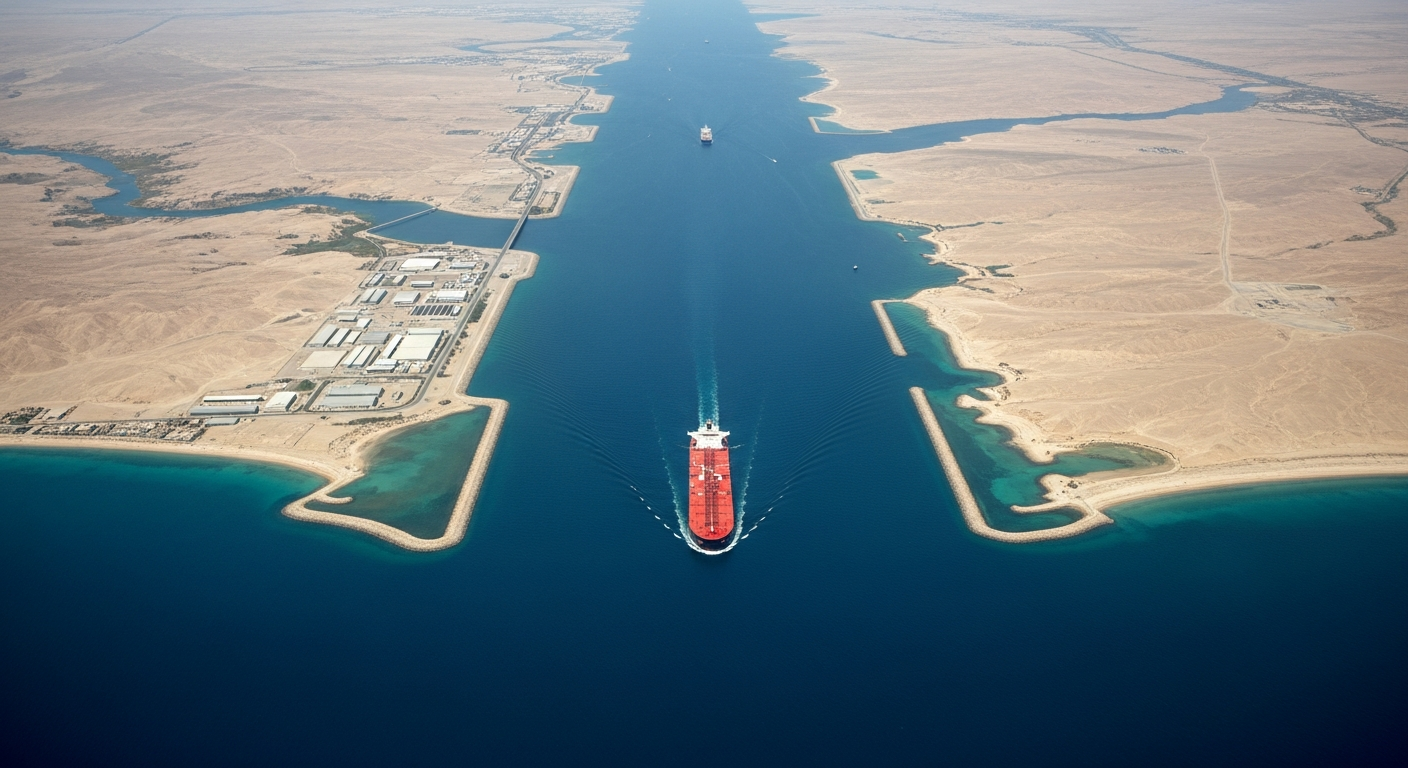
To be honest, I only truly understood how important the Strait of Hormuz is this time. On a map, it just looks like a narrow waterway, but it’s actually the heart of the global energy market.
It’s said that 20% to as much as 30% of the world’s seaborne crude oil shipments and about 20% of liquefied natural gas (LNG) pass through this strait. It’s virtually the only passage for oil and gas produced by Middle Eastern oil-producing countries to reach the rest of the world.
* Location: Connects the Persian Gulf and the Gulf of Oman, between Iran and Oman’s Musandam Peninsula.
* Width: The narrowest point is only about 33 km.
* Importance: It’s a strategically vital choke point for the crude oil exports of Middle Eastern oil-producing nations.
So, if this route is blocked, international oil prices will skyrocket, and the global economy will inevitably falter. South Korea also heavily relies on Middle Eastern crude oil, right? So, this isn’t just someone else’s problem.
2. Why Was ‘Forcible Opening’ Discussed?
Then why was such a sensitive issue as ‘forcible opening’ even discussed? The trigger, in fact, was the US and Israeli airstrikes on Iran in late February this year.
As the war continued for over a month, Iran virtually blockaded the strait. This led to a sharp rise in international oil prices, fluctuating around $120 per barrel.
The Gulf Arab states, suffering immense damage from Iran’s blockade, submitted a draft resolution through Bahrain, the UNSC president. The gist was to allow member states to use ‘all necessary defensive means,’ either individually or through multinational naval cooperation, to counter any attempts to impede free navigation in the strait.
This would essentially provide international legal justification for physical clashes or the use of force to break the blockade, which is a terrifying thought, isn’t it?
3. Why Did the UN Security Council Postpone the Resolution Vote?
But why is the vote on such an important resolution repeatedly postponed? It was originally scheduled for April 3rd, then moved to the 4th, and now again to next week. I think it’s due to various complex international power dynamics.
The biggest reason is probably the opposition from the permanent member states.
* Opposition from China and Russia: These two countries strongly oppose Western-led military intervention. China, in particular, views the fundamental cause of the disruption in transit through the Strait of Hormuz as the illegal military actions of the US and Israel against Iran. They believe military means cannot solve the problem.
* France’s Realism: French President Macron also stated that forcible opening is ‘unrealistic.’ He expressed concerns that it would take an enormous amount of time and that ships passing through the strait could be exposed to threats from Iran.
* Iran’s Strong Request to Block: Iran reportedly asked Russia to block the adoption of this resolution, arguing that it would complicate the situation further. Their stance is to maintain control of the strait even after the war ends.
With these complex intertwining interests of powerful nations and Iran’s position, Bahrain is reportedly adjusting the intensity of the draft, for example, by deleting sensitive phrases like ‘enforcement.’
In conclusion, this postponement decision has averted the worst-case scenario of immediate armed conflict, but it doesn’t mean the problem has been solved. We will have to continue to watch whether the international community can find a truly wise solution. I sincerely hope there will be no further unfortunate events.