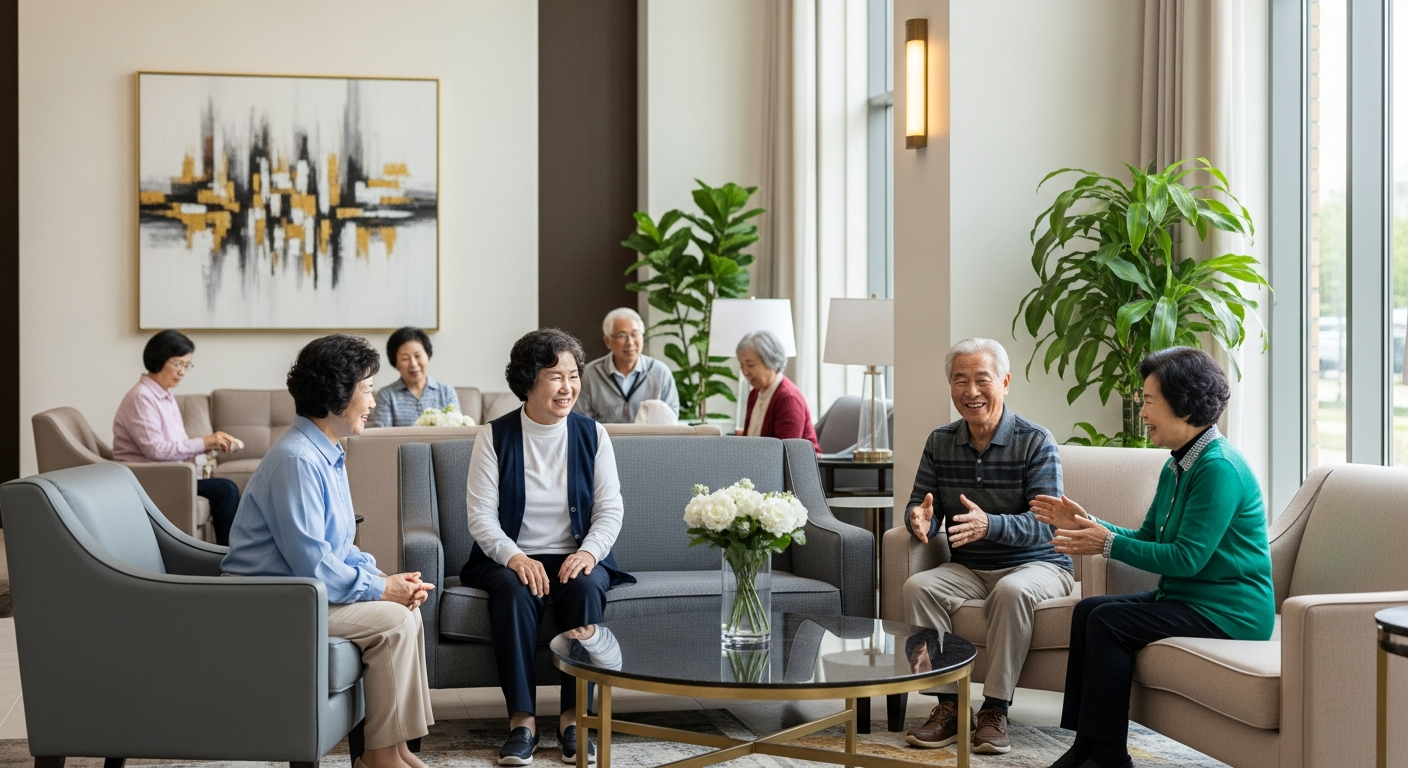
These days, many people seem to be contemplating life after retirement, right? Especially when we think about our parents’ or our own old age, we naturally become interested in senior residences. In the past, people thought that just building a magnificent building would suffice, but apparently, the real battleground in this market isn’t the building itself, but ‘operation.’ I was a bit skeptical at first, but after looking into it closely, I nodded in agreement.
With a super-aged society just around the corner, even major construction companies are eagerly jumping into this business, and the government is actively easing regulations. As the perception grows that these places should go beyond mere living spaces to enhance the quality of life, it seems that how well and what kind of services are provided has become truly important.
Why is ‘operation’ becoming more important than ‘buildings’?
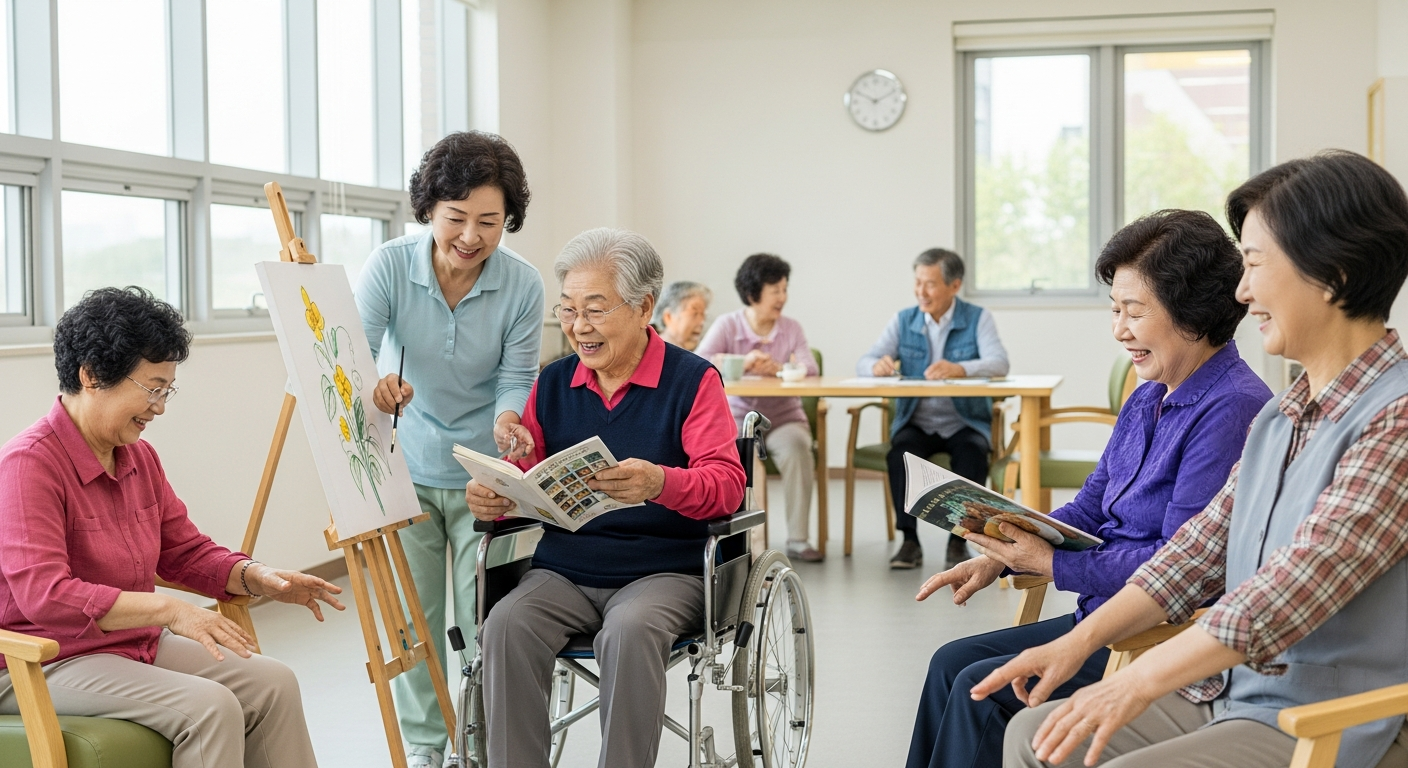
To be honest, the buildings of newly built senior facilities these days are all excellent, aren’t they? But the reality is that good buildings alone make it difficult to win over residents. I think it’s because what residents expect has changed a lot from before.
They are no longer looking for ‘just a place to live’ but ‘a place to live well.’ That’s why software elements like healthcare, diet, and leisure programs are becoming much more important. Everyone knows that resident satisfaction ultimately determines the success of the facility.
Successful Senior Residences: 3 Key Operational Strategies
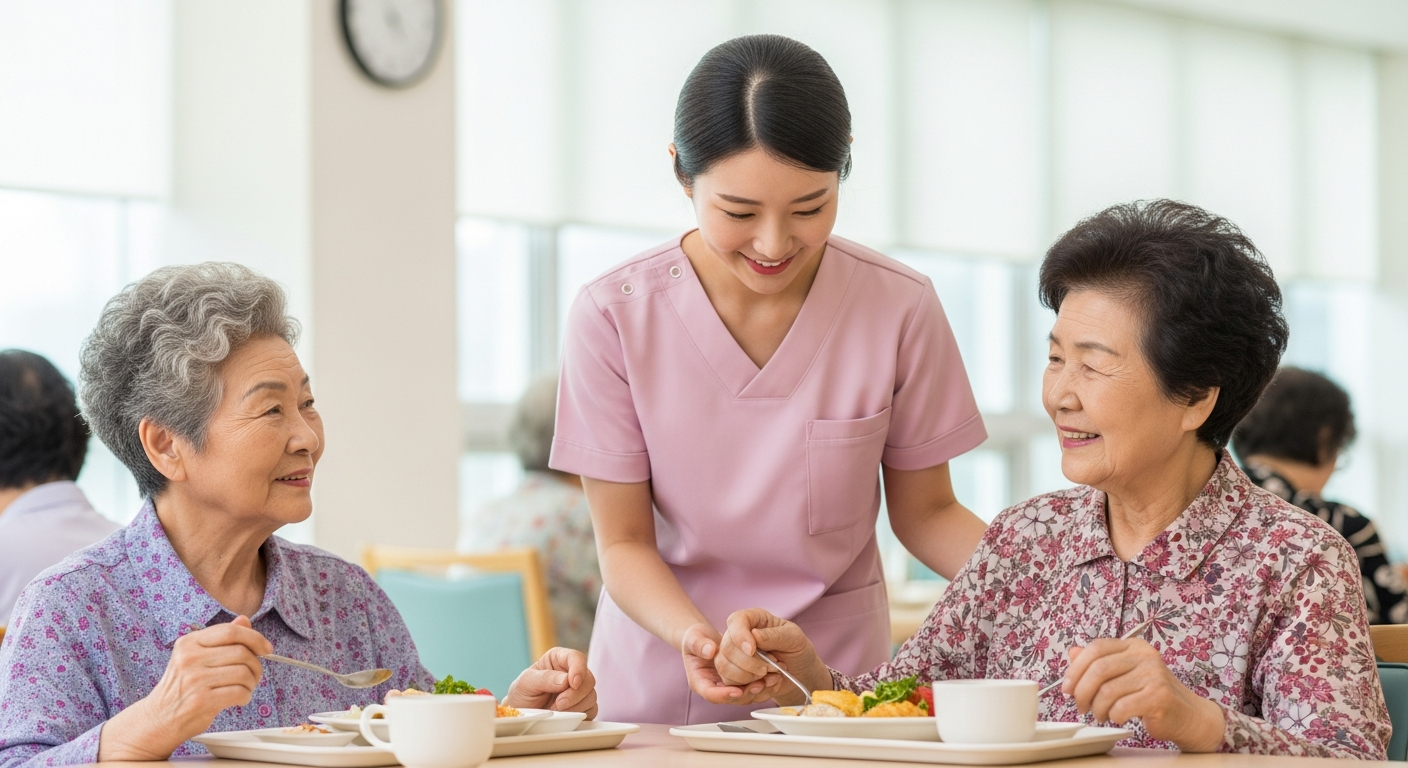
So, what operational strategies are needed to create a successful senior residence? I’ve picked out the three that I personally consider most important.
- Providing personalized services: It’s really important to provide services tailored to each resident’s health status, hobbies, and lifestyle. From diet to exercise and cultural activities, offering an experience optimized for the individual can bring true satisfaction.
- Fostering a vibrant community: As people age, they can easily feel isolated. Therefore, it’s essential to support various community activities within the facility where residents can interact and enjoy themselves. Actively planning clubs and social events is a must.
- Professional and stable management: Even the best services are meaningless if the operating entity is unstable. In my experience, transparent financial management and securing skilled professional staff play a decisive role in building long-term trust.
If these aspects are well-established, residents will be able to live with peace of mind and comfort.
Government Policies and Market Changes: Where are the Opportunities?

Recently, the government has also recognized the importance of the senior housing market and is easing various regulations. For example, in the past, facilities could only be built if both the land and building were owned, but now it’s possible with just the right to use. This has lowered the entry barrier for private operators.
As a result, not only construction companies but also large corporations like those in the hotel industry are jumping in, showing a move to integrate their service operation know-how. I believe these changes will be a really good opportunity for companies with professional operational capabilities. After all, the market will demand more diverse and higher-quality services.
Since the aging rate in Korea is rapid, the senior residence market will continue to grow. It seems like now is the time to focus on the ‘power of operation’ that helps seniors live truly happy and satisfying golden years, beyond just building structures. I hope everyone reads these trends well and prepares!