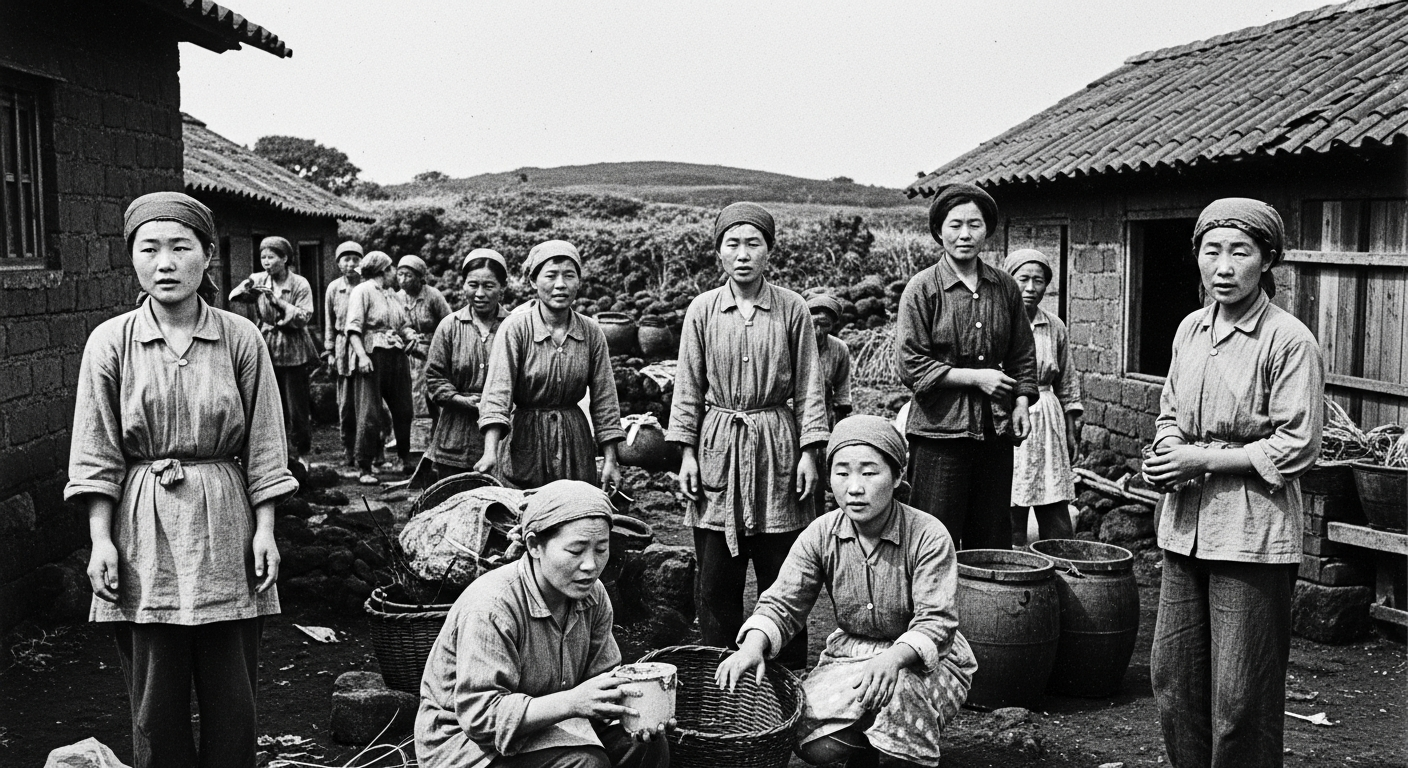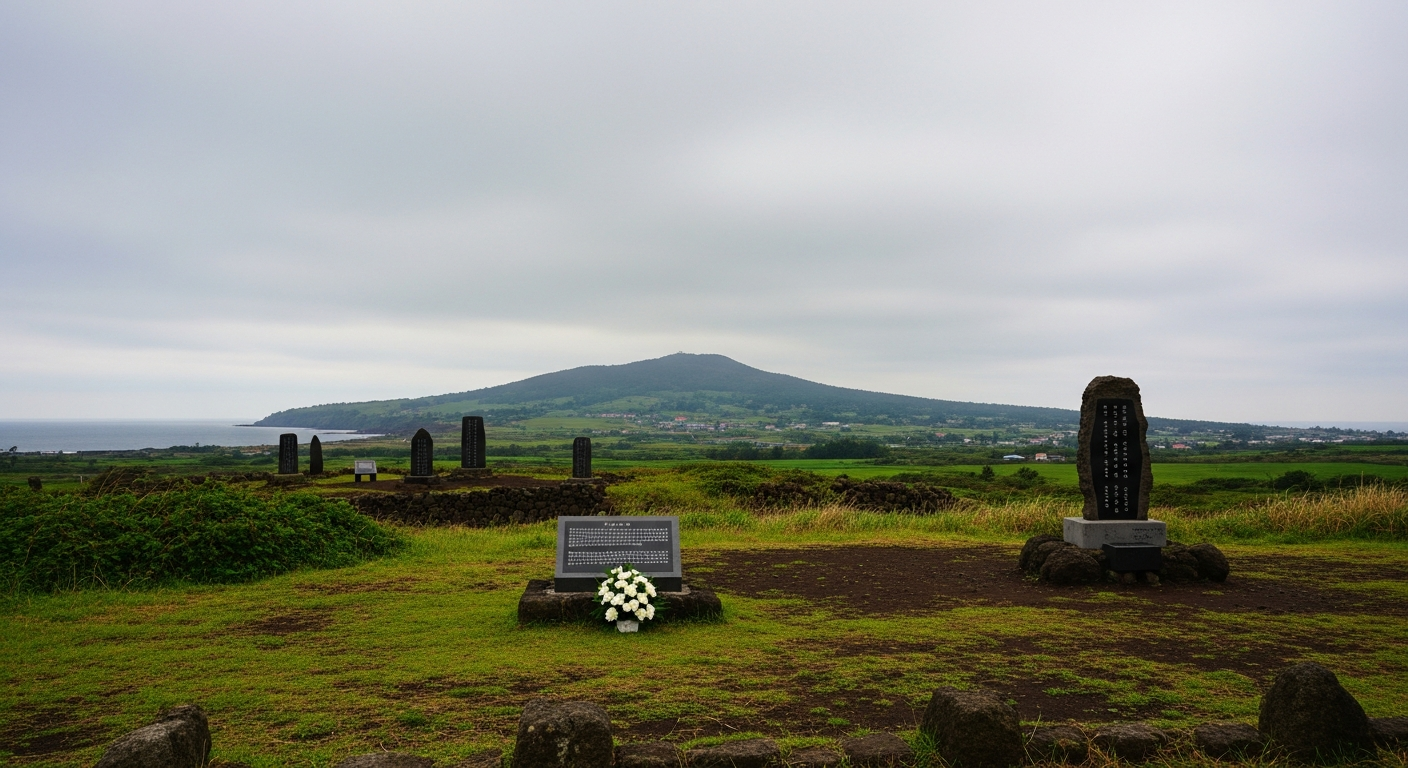
What comes to mind first when you think of Jeju Island? Beautiful beaches, delicious food, peaceful scenery… Many people probably think that. But in reality, Jeju Island has a painful and sad history that we must remember. It’s the story of the Jeju 4.3 Incident.
Personally, my heart aches every time I recall this incident. I believe it’s not just a past tragedy, but an important historical event that poses many questions to us living today. So, today, I’d like to frankly share stories about the Jeju 4.3 Incident that we might not have known.
The Starting Point of the Jeju 4.3 Incident We Must Know
Many people remember the Jeju 4.3 Incident as starting with the armed uprising of the South Korean Workers’ Party on April 3, 1948. But did you know that’s not the whole story? I believe the true beginning of this incident goes back a year earlier, to March 1, 1947.
At that time, a shocking incident occurred in Jeju Island where US military government police fired at protesting crowds, resulting in the deaths of 6 innocent civilians. This became a major fuse. The situation in Jeju at the time was truly difficult.
What were some of these difficulties?
- People returning from Japan struggled with unemployment.
- Daily necessities and food were severely lacking.
- Even infectious diseases like cholera were rampant, making the entire society unstable.
In this situation, combined with public opposition to a separate election only in South Korea, the armed forces of the South Korean Workers’ Party in Jeju eventually launched an armed uprising on April 3, 1948. There was a truly complex and unfortunate background.
The Pain of State Violence, and the Victims
The Jeju 4.3 Incident is not just a simple armed conflict, but a tragic history of state violence where countless Jeju islanders were sacrificed. After the armed uprising, the US military government deployed the National Defense Force to suppress it. Initially, there were attempts at peaceful negotiations, but they ultimately failed.
Then, from November 1948, a harsh suppression targeting mid-mountain villages and residents began under the name of the ‘scorched-earth operation.’ During this process, unimaginable massacres of civilians occurred. It is said that Jeju Island became a giant prison and slaughterhouse, isolated from the outside world.
Looking at the scale of the victims, one can understand the depth of the tragedy:
- Civilian casualties are estimated to be between 14,000 and 30,000.
- This is an enormous number, approximately 10% of Jeju Island’s population at the time.
- It is said that about 40,000 homes were burned down, so you can imagine how extensive the damage was.
This incident is said to be the single event with the most casualties after the Korean War. It is truly a pain that must not be forgotten.
Ongoing Efforts for Truth Revelation and Restoration of Honor
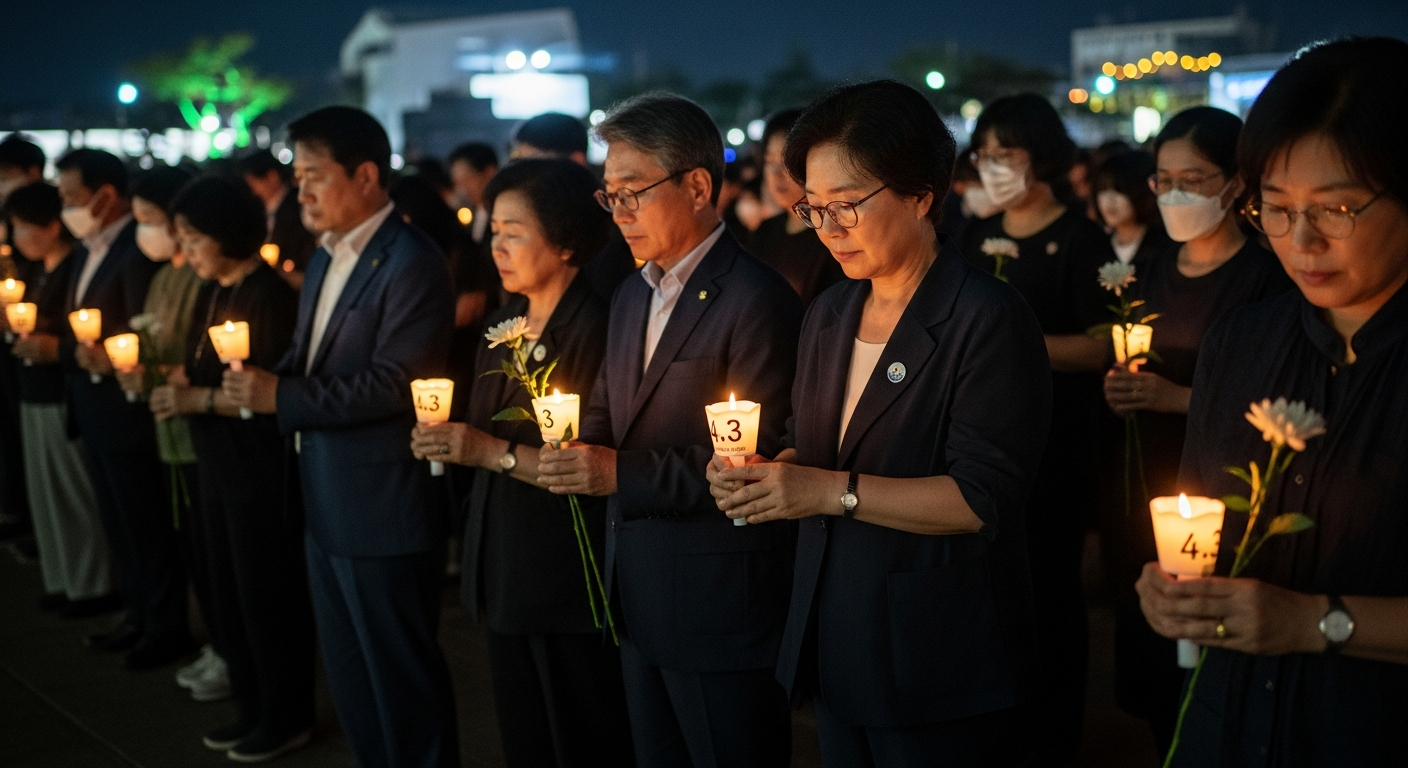
The horrific Jeju 4.3 Incident was not properly discussed for a long time. Fortunately, however, efforts to reveal the truth and restore the honor of the victims are now actively continuing. In 2000, a special law was enacted, opening the way for truth investigation, and there was also an official apology from the president.
Especially in recent news, it was announced that in March 2026, President Lee Jae-myung promised to abolish the statute of limitations for state violence crimes and promote legislation such as the cancellation of awards for suppression efforts. I think this is a truly significant change. In April 2025, ‘Revealing the Truth: Jeju 4.3 Archives’ was also inscribed on UNESCO’s Memory of the World Register.
Thanks to these efforts, April 3rd is now designated as ‘Jeju 4.3 Victims’ Memorial Day,’ a local public holiday in Jeju, a day to reflect on the values of reconciliation, coexistence, and human rights. The process of seeking the truth continues in various aspects, including shedding light on the wounds suffered by the Buddhist community. Personally, I find these movements truly meaningful.
Our History That Must Not Be Forgotten
Frankly, the Jeju 4.3 Incident is one of the most painful wounds in our modern history. However, I believe it should not simply remain a sad past, but rather serve as an important lesson that makes us rethink the relationship between state power and citizens, and the importance of human rights.
Remembering the pain of the victims, investigating the truth, and striving to restore their honor are essential tasks for building democracy in the present and future. I believe this is why we all must remember and never forget the Jeju 4.3 Incident.