Changing the landscape of old cities is always a matter of great interest. Incheon, in particular, has recently confirmed the largest-scale pilot zones for the redevelopment of aged planned cities among all local governments nationwide, marking a significant turning point in urban restructuring. Large-scale residential districts developed in the 1980s and 90s are now ready to put on new clothes. This decision goes beyond simple reconstruction, embodying a long-term vision for a leap towards a future smart city.
Incheon City has selected large-scale redevelopment pilot zones for aged planned cities totaling 16,267 units across 6 areas within 5 districts, including Guwol, Yeonsu, Mansu, Galsan·Bupyeong·Bugae, and Gyesan. This volume surpasses the scale of pilot zone selections by all local governments, including the existing 1st generation new towns, making it an unprecedented amount. This redevelopment project, highly anticipated by many residents, will be a crucial stepping stone to dramatically improve the urban living environment and lead to balanced regional development.
Redevelopment Pilot Zones for Aged Planned Cities: What Do They Mean?
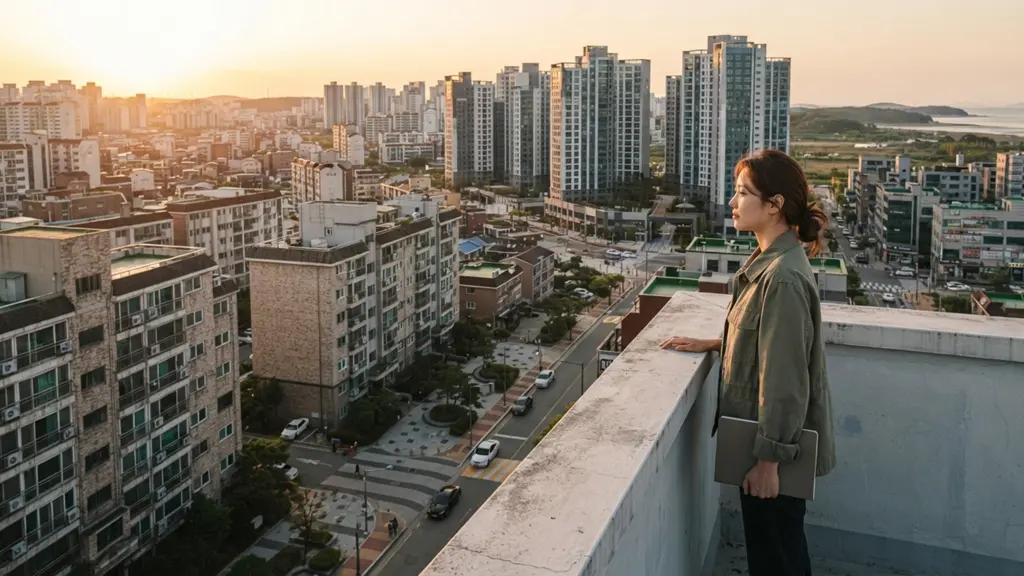
Many Korean cities, having undergone rapid growth, are aged planned cities that are over 20 years old. These areas face various problems such as parking shortages, aging infrastructure, and poor living environments. The government is addressing these issues and promoting systematic urban redevelopment through the ‘Special Act on the Redevelopment and Support of Aged Planned Cities,’ which came into effect in 2024.
Pilot zones refer to priority project areas that will be the first to undertake redevelopment projects under this special act. When selected as a pilot zone, local governments can simultaneously proceed with the ‘Basic Plan for Aged Planned Cities’ and residents can pursue ‘Special Redevelopment Plans,’ significantly accelerating the project speed. Furthermore, various administrative procedure shortcuts, such as increased floor area ratio and integrated deliberation, can be applied, which is advantageous for project implementation. This is the first step towards large-scale urban restructuring that goes beyond simply reconstructing individual apartment complexes, improving the overall urban infrastructure including roads, parks, and parking lots.
Incheon’s 6 Pilot Zones: Which Areas Were Selected?

Incheon City has finally selected 16,267 units across 5 districts, 6 zones, and 25 complexes in this public competition for redevelopment pilot zones for aged planned cities. This is the largest volume ever for a single local government, demonstrating Incheon’s strong commitment to urban change. Notably, two zones were selected in the Yeonsu-Seonhak district, forming the largest redevelopment axis in Incheon.
The 6 selected zones are as follows:
| District | Zone | Constituent Complexes | Scale (Units) |
|---|---|---|---|
| Guwol | B1 Zone | Dong-a, Samhwan 1st, Gwan-gyo Ssangyong, Punglim, Seongji, Samhwan Gwan-gyo 2nd Complex, Dongbu, etc. | 2,756 |
| Yeonsu·Seonhak | A7 Zone | Hyundai 1st, Yeonsu Punglim 2nd, Mujigae Village, Hanyang 2nd, etc. | 4,748 |
| Yeonsu·Seonhak | A12 Zone | Yeonsu Punglim 3rd, Joheung, Lotte, etc. | 857 |
| Mansu 1·2·3 | A4 Zone | Samik, Mansu Hyundai, Kumho Town, Jinheung, etc. | 1,530 |
| Galsan·Bupyeong·Bugae | A3 Zone | Uk-il, Daedong, Daejin, New Seoul, Dong-a, etc. | 2,958 |
| Gyesan | A5 Zone | Kkachi Village Taehwa, Hanjin, Jakjeon Hyundai 2-1·2-2nd, etc. | 3,418 |
Out of 39 planned redevelopment areas, 21 participated in the pilot zone competition, and approximately 35% of these were ultimately selected. Given the high competition, each selected zone will play a crucial role in presenting Incheon’s new urban model.
Pilot Zone Selection Criteria and Key Benefits

The selection of pilot zones was based on a comprehensive evaluation of factors such as resident consent rate, building age, urgency of improving the living environment (e.g., parking shortages), and the need to revitalize urban functions. Notably, the resident consent rate held the highest weighting among evaluation criteria, with full marks awarded if the consent rate exceeded 95% within a special redevelopment zone. The selected zones indeed showed high resident consent rates.
Various benefits are granted upon designation as a pilot zone. The main benefits are as follows:
- Expedited Project Implementation: Project duration is shortened as local governments’ basic plan establishment and residents’ special redevelopment plan establishment can proceed simultaneously.
- Regulatory Relief: Various regulatory exceptions are applied, such as relaxed safety diagnostics for reconstruction and increased floor area ratio.
- Customized Consulting: A master planner (MP) is dispatched for each zone to provide close support from special redevelopment plan establishment to administrative procedures.
- Speculation Prevention: The standard date for rights calculation is announced simultaneously with the designation, proactively blocking speculative activities like fractional ownership and protecting the property rights of original residents.
- Infrastructure Expansion: Beyond simply reconstructing homes, urban infrastructure such as roads, parks, and parking lots are redeveloped together to enhance the quality of the living environment.
These benefits will be a powerful driving force needed to transform aged cities into future smart cities.
Future Directions and Residents’ Roles

The selection of pilot zones is just the first step in the redevelopment project, and there’s a long way to go. Residents of the selected zones must now form resident representative groups and decide on the project method. Projects can be directly pursued by associations, or through public developers like the Korea Land and Housing Corporation (LH) or Incheon Housing & City Development Corporation (iH), or through trustees.
Subsequently, a special redevelopment plan outlining the basic project direction must be established, followed by detailed project implementation plans and management disposition plans. During this process, the government and Incheon City will operate a ‘Visiting Future City Support Center’ to provide one-on-one customized consultations on residents’ questions, such as estimated contribution calculations and construction cost contracts. The redevelopment project period is expected to be around 10 years.
For zones not selected as pilot zones this time, Incheon City plans to establish additional selection methods and volumes through resident meetings and consultations with relevant agencies starting next year. Active participation and consensus from residents are paramount throughout all processes, and Incheon City will do its best to provide close administrative services from the initial stages to ensure Incheon becomes a model case for the redevelopment of aged planned cities.
The Incheon Redevelopment Pilot Zones for Aged Planned Cities represent a significant turning point not just for improving residential environments, but also for building future smart cities and achieving balanced regional development. We anticipate that this large-scale project will be successfully implemented, further enhancing the quality of life for Incheon citizens.