
NVIDIA, which holds sway over the global artificial intelligence (AI) market, has announced a sudden increase in AI server prices. According to a Bloomberg report on August 22, 2026 (local time), NVIDIA informed its major customers that it would raise the prices of AI chip systems shipped early next year by more than 15%. This price hike is seen as more than just a cost adjustment; it starkly reveals the complex supply chain and dynamics of the AI infrastructure market. As the shortage of memory semiconductors, including High Bandwidth Memory (HBM)—a core component of AI accelerators—intensifies, even NVIDIA, long considered the ‘king of kings,’ could not escape the pressure of rising prices. This is expected to cause significant repercussions across the global AI industry.
Notably, this price increase also includes systems based on NVIDIA’s flagship products, ‘Vera Rubin’ and ‘Grace Blackwell,’ which are expected to directly impact companies leading cutting-edge AI technology. Other semiconductor companies like Apple and Qualcomm have already raised product prices due to shortages, and with NVIDIA joining them, analysis suggests that instability across the entire semiconductor supply chain is intensifying. Ultimately, this price hike is expected to lead to increased costs for building data centers, an essential element in the AI era, posing new challenges for large-scale AI infrastructure investments.
Price Increase Driven by Memory Semiconductor Shortage
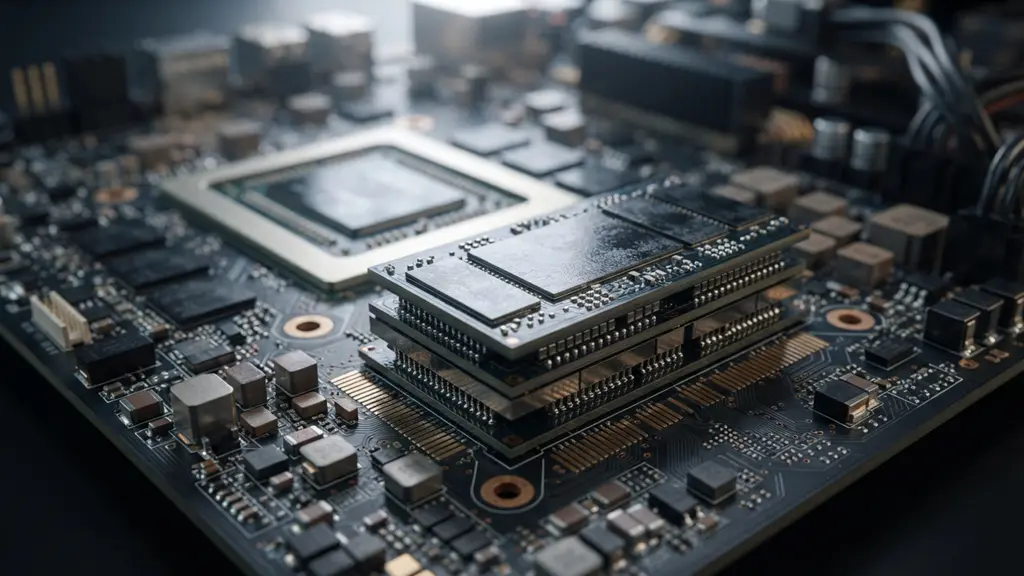
NVIDIA’s recent AI server price increase primarily stems from the severe shortage of memory semiconductors, especially High Bandwidth Memory (HBM). AI accelerator processors require the rapid processing of vast amounts of data, making their integration with high-performance DRAM essential. This DRAM is precisely HBM, and demand has surged unprecedentedly due to the explosive growth of the AI industry.
Currently, the majority of global memory semiconductor production is handled by just three companies: Samsung Electronics, SK Hynix, and Micron. While these companies strive to increase production to meet rising demand, building new factories and installing equipment takes several years. Consequently, supply cannot keep up with demand, causing memory semiconductor prices to skyrocket, and this upward cost pressure has led to NVIDIA’s AI server price increase.
- Key Factors for the Increase:
- Deepening shortage of High Bandwidth Memory (HBM) and server DRAM
- High-performance memory essential for AI accelerator performance
- Unprecedented surge in demand due to AI industry growth
Memory Manufacturers Become ‘Super Suppliers,’ Gaining Increased Bargaining Power

Until now, NVIDIA, which virtually monopolized Graphics Processing Units (GPUs) in the AI semiconductor market, held absolute pricing power. However, this price hike incident clearly demonstrates how much the status of memory semiconductor manufacturers has changed. Bloomberg analyzed that NVIDIA’s price adjustment is an example of the significant leverage that memory semiconductor manufacturers like Samsung Electronics, SK Hynix, and Micron now possess at the negotiating table.
Now, memory supply has become a key variable determining the production volume and price of AI servers. Even NVIDIA found it difficult to absorb the rising memory costs, ultimately passing them on to customers. This highlights a new power dynamic in the AI era. In the past, GPUs were the ‘A-side’ and memory was the ‘B-side’; now, memory manufacturers have gained the power to dictate the market from a ‘super supplier’ position. This shift also offers important implications for the future supply chain strategies of the semiconductor industry.
Below is a table showing major memory semiconductor manufacturers and their market influence.
| Company Name | Main Products | Market Share (DRAM-based) | Influence |
|---|---|---|---|
| Samsung Electronics | DRAM, HBM | Approx. 40% or more | Largest supplier, technology leader |
| SK Hynix | DRAM, HBM | Approx. 30% or more | HBM technology superiority |
| Micron | DRAM, HBM | Approx. 20% or less | One of the major suppliers |
Impact on AI Data Center Construction
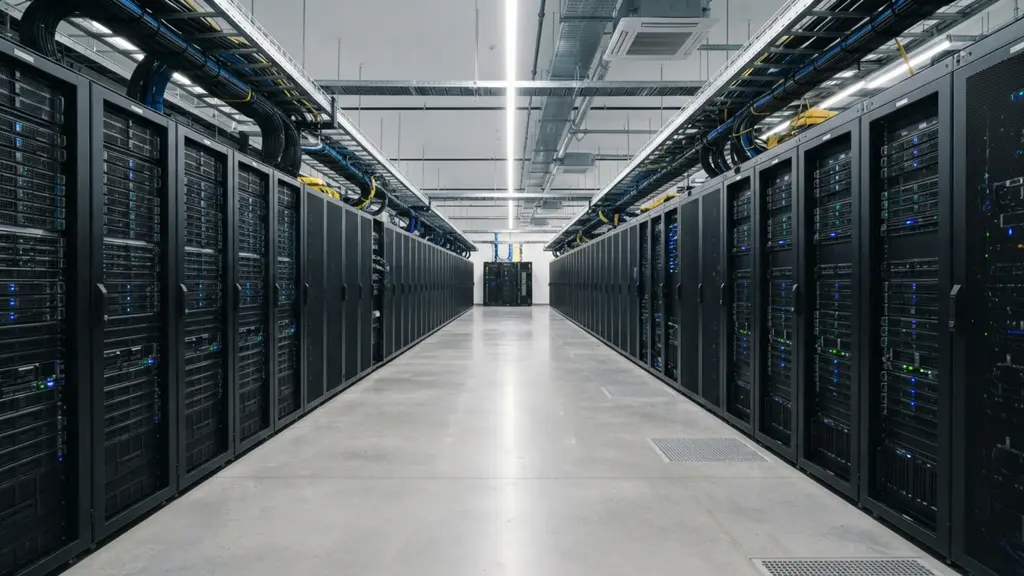
NVIDIA’s AI server price increase is expected to place a significant burden on global IT giants pursuing large-scale AI data center construction. Key NVIDIA customers like Amazon, Microsoft (MS), Google, and Meta are already developing their own AI chips, but this is impossible without the supply of memory semiconductors.
Bloomberg analyzed that this price increase will add complexity to data center construction, which is already facing difficulties due to project delays, labor shortages, tight capital markets, and community opposition to development. The US IT specialized media outlet The Information estimated that this increase could raise the construction cost of a 1-gigawatt (GW) AI data center by at least $5 billion (approximately 7 trillion won). This will ultimately lead to higher cloud service costs, potentially causing a ripple effect on AI model training and operational expenses. It signals a red light for the construction of essential infrastructure for the AI era.
- New Challenges for Data Center Construction:
- Increased total construction costs due to rising AI server equipment unit prices
- Continued instability in memory semiconductor supply and demand
- Increased price burden on existing challenges (project delays, labor shortages, etc.)
- Potential for increased cloud service and AI model operational costs
NVIDIA’s Strategic Choice and Market Outlook

This price increase can also be interpreted as a strategic choice by NVIDIA, leveraging its dominant position in the AI market. Even if the rising memory costs are passed on to customers, NVIDIA’s AI chips and ecosystem remain irreplaceable core components. Beyond GPUs, NVIDIA has built a powerful ecosystem through its AI software platform CUDA, which acts as a significant barrier to entry for competitors.
However, in the long term, it could accelerate the development of proprietary chips by large customers. The movement to reduce reliance on NVIDIA will intensify, potentially changing the competitive landscape of the AI semiconductor market. At GTC 2026, NVIDIA showcased new products and technologies such as ‘Vera CPU’ and ‘BlueField-4 STX Storage Architecture,’ strengthening its image as an AI full-stack solutions company. This technological leadership and continuous innovation will be key drivers in maintaining NVIDIA’s market dominance despite the burden of price increases. Ultimately, NVIDIA is walking a tightrope, aiming to achieve both short-term profitability and long-term market dominance.
A New Turning Point in the AI Infrastructure Market
The news of NVIDIA’s AI server price increase is more than just a change in a specific company’s pricing policy; it signals a new turning point in the global AI infrastructure market. It will undoubtedly highlight the importance of the memory semiconductor supply chain and redefine the dynamics between NVIDIA and memory manufacturers. While the pace of AI technology development remains steep, this situation clearly demonstrates that building the hardware infrastructure to support it involves unexpected costs and challenges.
Going forward, companies planning to build AI data centers will need to formulate more cautious investment strategies, and the competition to secure memory semiconductors will intensify. NVIDIA, while maintaining its dominant position, will also be watched closely to see how it responds to changing market conditions and customer demands. It is no exaggeration to say that the future of the AI industry depends not only on technological innovation but also on complex supply chain management and strategic partnerships.