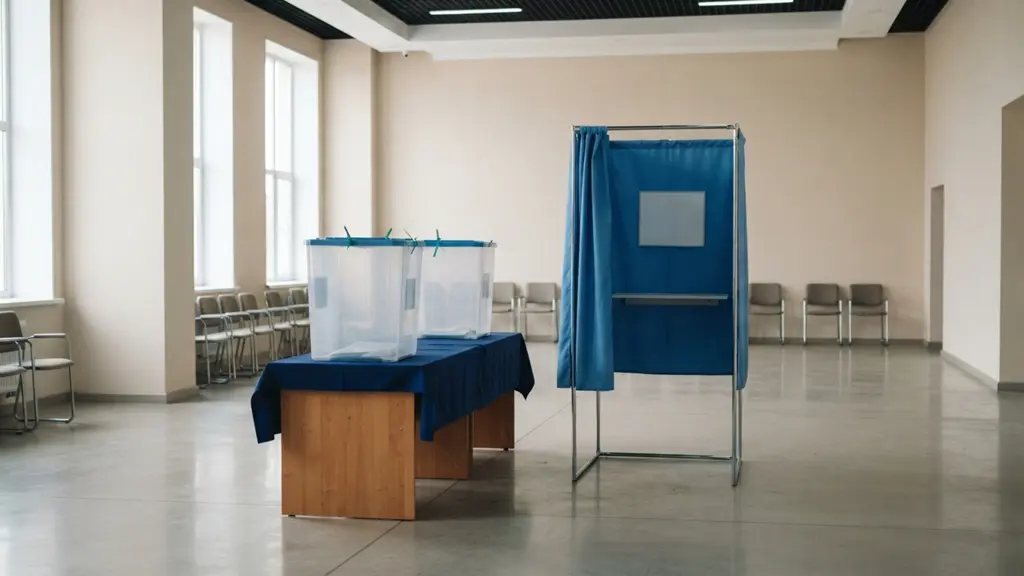
On August 23, 2026, a wind of historical change swept through Kazakhstan, the heart of Central Asia. The first election for members of the Kurultai, held on this day, took place under a new constitutional system and is considered a crucial starting point for Kazakhstan’s pursuit of a ‘national reset’. As the practical first step in long-prepared political reforms, this Kazakhstan election garnered significant domestic and international attention. The prevailing analysis suggests that it will be a major turning point, not merely forming a new parliament, but reshaping the nation’s future.
The birth of the Kurultai, a new legislative body, signifies a fundamental restructuring of Kazakhstan’s political system and provides important clues about the country’s future direction. Let’s delve into the meaning and key characteristics of how this election will transform Kazakhstan.
Background of Kazakhstan’s New Constitution Coming into Force and Political Reforms
Kazakhstan entered a new political era on July 1, when its new constitution officially came into force. This constitution was approved on March 15 through a nationwide referendum, and President Kassym-Jomart Tokayev declared that it marked the beginning of a ‘new era’ in the nation’s history. The new constitution aims to fundamentally restructure Kazakhstan’s political system and transform key state and civil institutions.
This constitutional amendment is regarded as an important choice that goes beyond mere legal changes, presenting a long-term development direction for the nation. The new constitutional system, which strengthens the values of the rule of law, diligence, progress, environmental responsibility, and national integration, is expected to provide new momentum for Kazakhstan’s political transformation and modernization process.
- New Constitution Effective Date: July 1, 2026
- Referendum Approval Date: March 15, 2026
- Main Goals: Restructuring the political system, transforming state and civil institutions
- Strengthened Values: Rule of law, diligence, progress, environmental responsibility, national integration
Historical Significance and Structure of the First Kurultai Election
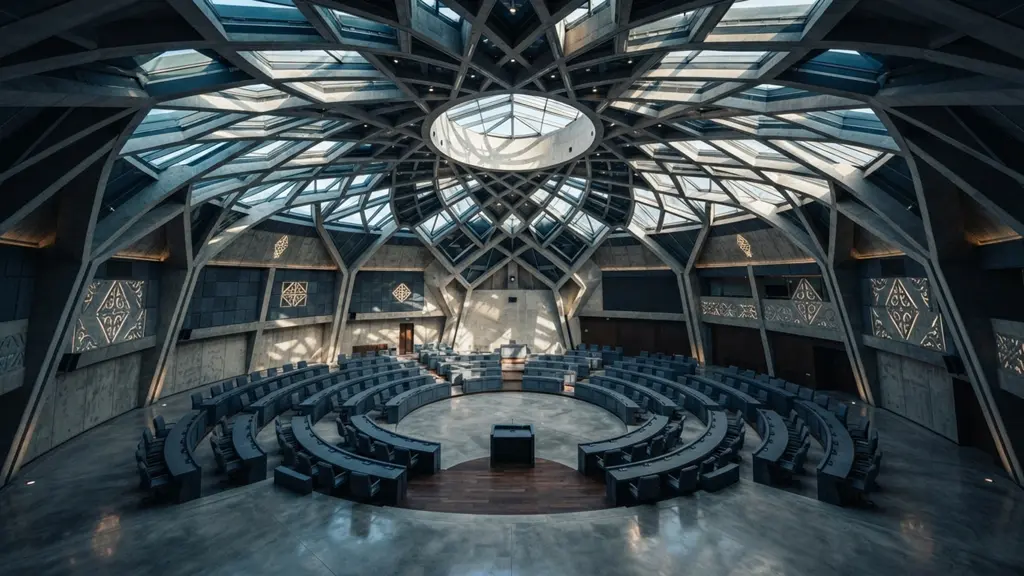
On August 23, 2026, Kazakhstan held its first election to choose members of the Kurultai, a new unicameral parliament. The Kurultai will consist of 145 members elected through a proportional representation electoral system, with a five-year term. This election is considered an important stage in the political and institutional reforms following the new constitution’s entry into force. Yerlan Karin of the Presidential Administration of Kazakhstan described this election as the beginning of a new phase in Kazakhstan’s ‘national reset,’ emphasizing, “This election is not an ordinary election; it holds truly historical significance because it marks the next stage of the national reset after the adoption of the new constitution.”
The former bicameral parliament, consisting of the Mazhilis and the Senate, ceased operations as part of the new constitutional transition, paving the way for a new parliamentary structure. The introduction of the Kurultai, as the new supreme representative body for exercising legislative power, will bring significant changes to Kazakhstan’s political landscape. This is interpreted as an intention to establish a more centralized and efficient decision-making structure for the nation’s major policy-making processes.
| Category | Former Parliament (Mazhilis/Senate) | New Parliament (Kurultai) |
|---|---|---|
| Structure | Bicameral | Unicameral |
| Number of Members | Not specified | 145 |
| Election Method | Not specified | Proportional representation electoral system |
| Term of Office | Not specified | 5 years |
| Key Significance | Existing legislative body | First legislative body under new constitutional system, start of national reset |
Election Process, Key Features, and Participation Status

This Kazakhstan election made various efforts to ensure transparent and fair proceedings. On election day, the Kazakhstan police heightened their alert level, and all polling stations underwent security checks and received 24-hour protection. Authorities stated that the situation remained stable, with no serious violations of public order reported.
The Central Election Commission reported a voter turnout of 17.96% within three hours of all polling stations opening. A total of approximately 12.6 million registered voters participated in this election. Notably, Kazakh citizens residing in South Korea and Japan had the unique experience of being among the first in the world to cast their votes due to time differences. The polling station in Seoul opened at 7:00 AM on August 23, which corresponded to 3:00 AM in Astana, Kazakhstan’s capital. This overseas voter participation exemplifies the international significance of this election and the active engagement of the Kazakh diaspora. However, during the election campaign period, a total of eight election law violations were identified, including three illegal election-related opinion polls and five campaign violations.
Future Outlook for Kazakhstan’s Changes
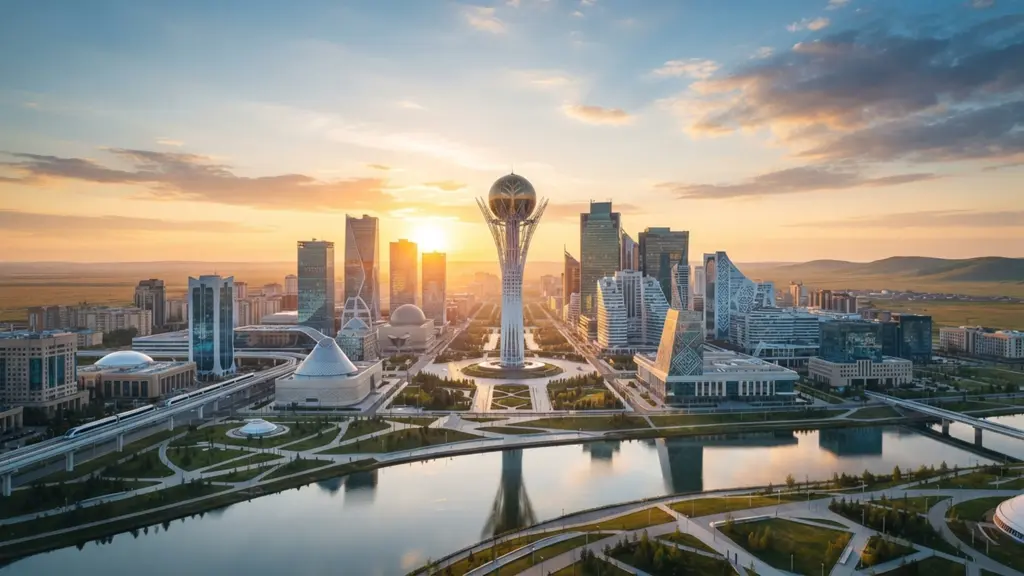
Kazakhstan’s first Kurultai election will be an important milestone, presenting a long-term national development direction beyond short-term political changes. The new unicameral parliament can contribute to increasing the efficiency of the legislative process and strengthening government accountability. Furthermore, the rule of law and transparency emphasized by the new constitution can positively impact the improvement of the domestic investment environment and enhance credibility in the international community.
Of course, there are challenges that need to be overcome for these changes to settle smoothly. Some violations revealed during the election process suggest the need for continuous efforts to improve the electoral system and ensure transparency in the future. However, it is clear that through this election, Kazakhstan has demonstrated a strong commitment to political reform. Attention is now focused on what policies the Kurultai will implement and what tangible changes it will bring to the lives of the people.