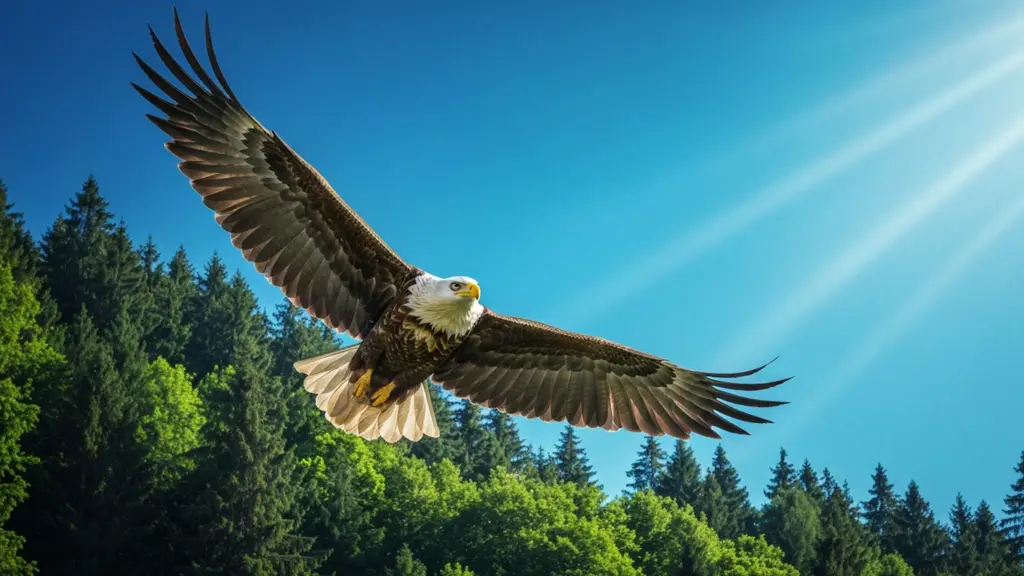
From their free flight in the sky to their colorful feathers, and sometimes even their cleverness in mimicking human speech. Birds are common creatures around us, yet the closer we look, the more wondrous they become. To dismiss them as mere ‘chirping’ small animals would be to ignore a world much more complex and full of intriguing secrets. Especially recent research trends reveal surprising facts that break our old prejudices about birds. As of 2026, scientists are constantly exploring and accumulating new knowledge about bird intelligence, ecology, and the importance of conservation. Today, let’s embark on a journey into the marvelous world of birds, creatures that are more than just simple flying animals.
Birds’ Hidden Intelligence: ‘Birdbrain’ is an Old Saying
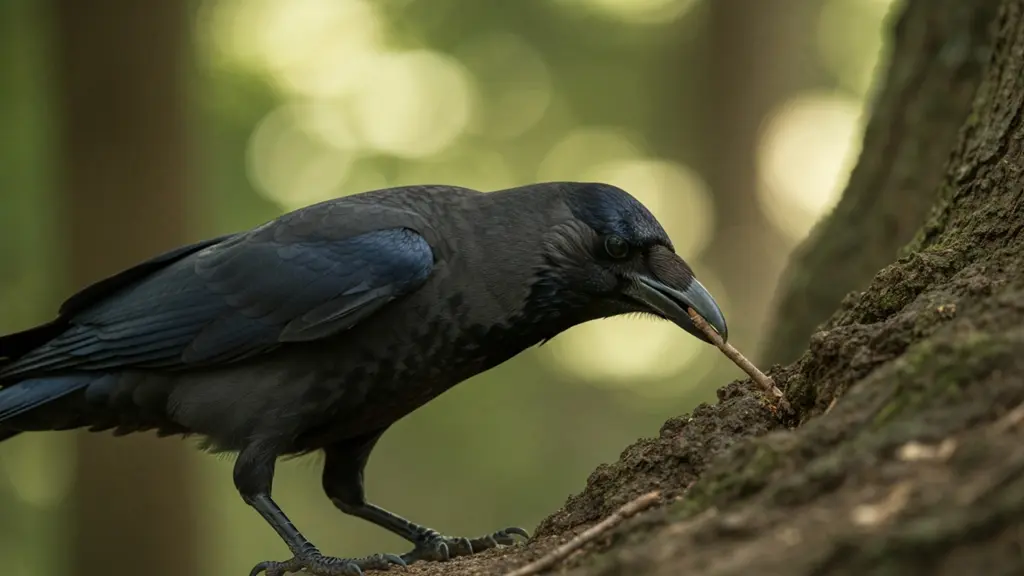
For a long time, birds were considered simple animals relying solely on instinct, and the term ‘birdbrain’ was even used to describe someone with a poor memory. However, the latest ornithological research results clearly demonstrate how wrong this prejudice is. Birds are much smarter than we thought, possessing complex problem-solving and social learning abilities. Corvids and parrots, in particular, are among the most intelligent birds, thanks to their large forebrains packed with densely arranged neurons. They even exhibit interactive behaviors seen in primates, demonstrating higher-order thinking skills such as complex tool use and puzzle-solving.
- The Cleverness of Corvids: Crows, jays, and other corvids craft and utilize sophisticated tools, such as modifying twigs or leaves to make hooks, or using sticks to extract insects. They are even observed selecting and storing tools for specific tasks, then reusing them later.
- The Dodo’s Reversal of Intelligence: A 2026 study on the dodo, once known as a foolish bird, reveals surprising findings. Researchers analyzed CT scans of dodo skulls and found that their forebrains, associated with cognition and memory, were no different from those of their close relatives, pigeons. This implies they possessed intelligence comparable to pigeons, which have excellent navigational abilities, capable of finding their way home from distant places.
- Social Learning Ability: In the UK, great tits were observed opening the aluminum caps of milk bottles to eat the cream inside, and this behavior spread rapidly among the tits, proving their remarkable social learning ability. Thus, birds are by no means mere creatures of instinct; rather, they possess marvelous intelligence that we had not fully recognized.
These studies show that while bird brains evolved differently from mammalian brains, they are densely packed with neurons responsible for cognition, meaning their intelligence is by no means low. The view of birds as simple creatures of instinct is now merely an outdated prejudice.
Impact of Climate Change and Human Activities on Birds

Birds are important indicators and beautiful components of natural ecosystems. The presence of diverse birds is also evidence that the natural environment of that region maintains at least a minimum level of vitality. However, as of 2026, climate change and indiscriminate human activities pose serious threats to birds. The American Ornithological Society (AOS) supports emerging scientists who study how birds adapt and survive in rapidly changing environments, including climate change, highlighting the vulnerability of avian ecosystems. We realize how much human development and lifestyles, driven by convenience, make life difficult for birds.
- Threat of Light Pollution: Research on the impact of nocturnal artificial lighting, or light pollution, on migratory bird movements is very important. In particular, studies using radar to analyze how much birds are attracted to or repelled by strong blue LED lights or on foggy days directly show the impact of human activities on bird survival. Migratory birds can be exposed to fatal risks, such as deviating from their flight paths or colliding with buildings due to bright lights.
- Habitat Destruction and Invasive Predators: Wild birds fight a silent battle every day amidst threats from collisions with skyscraper windows, speeding cars, and, above all, invasive predators artificially introduced by humans. According to a report by the U.S. Fish and Wildlife Service, among approximately 3.3 billion wild birds that die from accidents or predation each year, a staggering 2.4 billion are victims of cats. This figure far surpasses the number of birds killed by window collisions (500 million) or car accidents (210 million).
- Impact of Arctic Warming: Studying how the breeding activity of snow buntings (Plectrophenax nivalis) is constrained by heat stress in the Arctic, where warming is occurring more than twice as fast as the global average, is essential for understanding the vulnerability of Arctic birds to climate change. A decrease in breeding success rates can lead to a decline in population, which is a serious problem.
Thus, indiscriminate human development and lifestyles threaten the survival of birds, which inevitably leads to an imbalance in the entire ecosystem. It is a critical time to face this reality and make efforts for change.
Endangered Birds and Conservation Efforts: Life Embraced by Korea’s Tidal Flats

Globally, biodiversity is rapidly declining, and many birds are facing extinction. In this crisis, efforts to protect endangered birds and their habitats are more important than ever. Korea’s tidal flats are one of the important strongholds for these efforts. In July 2026, the UNESCO World Heritage Committee decided to expand the ‘Getbol, Korean Tidal Flats’ inscription in its second phase, adding tidal flats in Seosan, Chungcheongnam-do, and Yeosu, Goheung, and Muan in Jeollanam-do. This is the result of Korea’s tidal flats being evaluated as meeting the World Heritage inscription criteria for biodiversity and endangered species conservation.
- ‘Getbol, Korean Tidal Flats’ World Heritage: This expansion of the heritage area and scope comes five years after the tidal flats of Seocheon, Gochang, Shinan, and Boseong-Suncheon were inscribed as World Heritage in 2021. The newly added areas contribute to the conservation of internationally important migratory waterbirds and diverse marine life as key habitats within the Yellow Sea ecosystem and the East Asian-Australasian Flyway. Its value has further increased as a home to over 2,400 species of organisms, including endangered migratory birds.
- Spoonbill Breeding Confirmed in Suncheon Bay: In August 2026, the confirmation of breeding by the endangered black-faced spoonbill on Janggu Island in Suncheon Bay, the first time on the south coast, is an important example demonstrating the ecological health and conservation achievements of Suncheon Bay tidal flats. Fifteen spoonbill nests were found on Janggu Island, and birds incubating eggs or raising chicks were also observed. The ecologically connected environment of Suncheon Bay tidal flats and surrounding inland wetlands is analyzed to have created suitable breeding conditions for the black-faced spoonbill.
- Activities of ‘Birds Korea’: Small, independent, and specialized non-profit organizations like ‘Birds Korea’ work to conserve birds and their habitats distributed in Korea and the broader Yellow Sea ecoregion. They strive to protect endangered species such as the Chinese crested tern, cranes, and scaly-sided mergansers, and particularly continue long-term conservation activities in the Yeoncheon Imjin River Biosphere Reserve.
These efforts are crucial steps to protect endangered birds and pass on a healthy ecosystem to future generations, and international cooperation is also an essential part.
Migratory Bird Routes and the Use of Information Systems
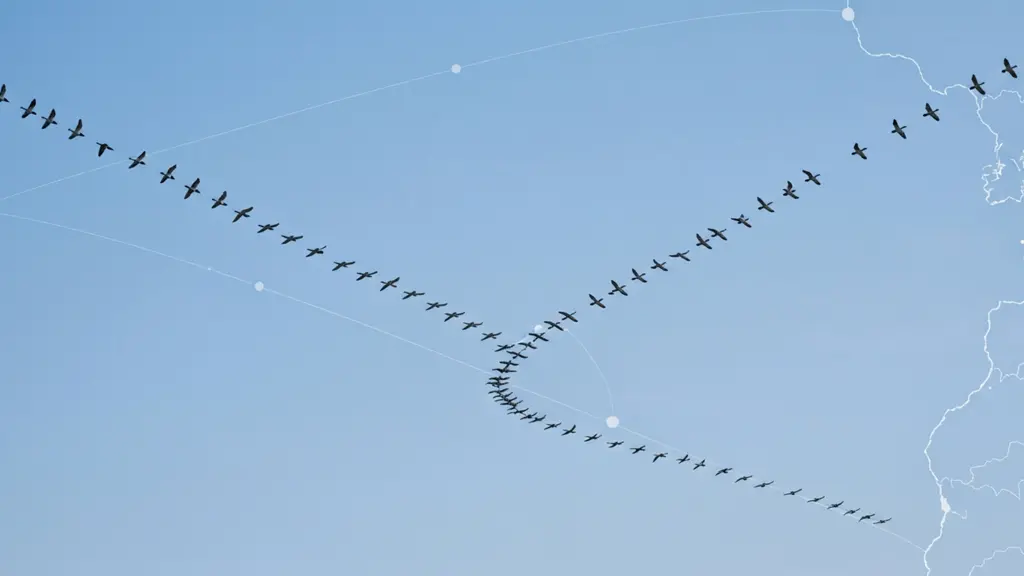
Every year, with the changing seasons, countless migratory birds travel long distances in search of new habitats. Their migration routes are important ecological links and serve as indicators sensitive to climate change and environmental changes. The National Institute of Biological Resources (NIBR) has released the ‘Migratory Bird Information System’ to provide useful information to the public, allowing them to check the status and routes of these migratory birds. This system not only aids bird protection but also significantly supports practical management policies such as strengthening avian influenza (AI) surveillance.
- Functions of the Migratory Bird Information System: This system visualizes approximately 2 million records of migratory bird arrival status data secured through winter bird simultaneous censuses from 1999 to 2017, and about 200,000 records of migration route information confirmed via tracking devices, on a geographic information system. Users can check the distribution, arrival times, and migration routes of migratory birds in detail on a map by searching by species, region, and tracking device. Additionally, various geographic information analysis tools on the map allow users to easily calculate the distance between migratory bird arrival points, distribution area, and radius, and view annual numerical changes in migratory bird distribution in graph form.
- AI Surveillance and Policy Support: The Migratory Bird Information System shares information with related organizations such as the National Institute of Environmental Research and the Animal and Plant Quarantine Agency to support migratory bird management policies, such as strengthening avian influenza (AI) surveillance, and can also be utilized for promoting birdwatching tourism and education. NIBR plans to continue building and providing big data-based domestic and international migratory bird information to strengthen systematic protection and management policies for migratory bird habitats.
- Importance of International Cooperation: Since migratory bird routes extend across national borders, sharing migratory bird information and research trends through international joint research with countries that share migration routes, such as China, Russia, and Mongolia, is very important. Expert networks like the ‘East Asian-Australasian Flyway Partnership (EAAFP)’ play a crucial role in such international cooperation and contribute to protecting endangered migratory birds.
Such information systems and international cooperation are essential not only for bird protection but also for the conservation of global biodiversity.
New Discoveries in Ornithology in 2026

In 2026, the field of ornithology is deeply exploring the impact of climate change and human activities on birds, providing new insights into bird survival strategies and adaptation methods. In particular, the research of the ‘2026 Kessel Fellowship’ awardees selected by the American Ornithological Society (AOS) well illustrates these latest trends. Their research primarily focuses on topics that delve deeply into the effects of human activities, such as climate change and light pollution, on avian ecology.
- Puffin’s ‘Lifelong Mating’ Secret: Dr. Amy Yanagitsuru will study the Atlantic Puffin (Fratercula arctica), known for maintaining ‘lifelong monogamy,’ analyzing behavioral and physiological data to understand why pairs with long-term bonds have higher breeding success rates than newly formed pairs. This is an important study to elucidate the relationship between social bonding and breeding success in birds.
- Arctic Bird Adaptation to Climate Change: Dr. Audrey Le Pogam researches how the breeding activity of snow buntings (Plectrophenax nivalis) is constrained by heat stress in the Arctic, where warming is occurring more than twice as fast as the global average. This research is expected to contribute to understanding the vulnerability of Arctic birds to climate change and developing conservation strategies.
- Impact of Light Pollution on Migratory Bird Movement: Dr. Carrie Anne Adams explores the impact of nocturnal artificial lighting, or light pollution, on migratory bird movements. In particular, studies using radar to analyze how much birds are attracted to or repelled by strong blue LED lights or on foggy days will provide important data for developing concrete measures for migratory bird protection.
- Research on Diverse Survival Strategies: In addition, various studies are included among the supported topics, such as how gut microbiomes help great tits adapt to Arctic environments, the effect of temperature changes on the immune systems of eastern bluebirds, the neuroendocrine response of house sparrows to prolonged heatwaves, and the torpor strategy of hummingbirds during breeding, contributing to uncovering the amazing survival strategies of birds.
Thus, in 2026, the field of ornithology is seeking to understand the challenges birds face in a rapidly changing environment and to devise effective conservation measures through in-depth research on bird survival and adaptation.
Birds are not merely creatures that fly; they are marvelous living beings with astonishing intelligence and complex ecology. In a reality where many birds are threatened by climate change and human activities, our efforts to understand and protect them become even more crucial. The various research and conservation activities currently underway in 2026 send a hopeful message for a future where birds and humans coexist. If we all recognize the value of birds and take small actions to protect their habitats, their beautiful flight will continue.