
On Wednesday, May 20th, the entire country was gripped by unusual weather conditions. What was thought to be welcome to cool down the early summer heat has turned out to be far more intense than expected. Heavy rainfall accompanied by gusts, thunder, and lightning is sweeping across the nation, raising concerns about property damage and safety accidents. In particular, some regions are forecast to experience localized heavy rainfall of around 20-30mm per hour, requiring special attention.
Many people must be flustered by the sudden change in weather. This rain is expected to continue until tomorrow (21st) afternoon, so it’s important to prepare in advance and be familiar with safety rules.
National Rainfall and Weather Advisory Status

Currently, most parts of the country are experiencing rain, with heavy rainfall forecast mainly for the central region, southern coast, and Jeju Island’s mountainous areas. Expected rainfall varies by region, but the Seoul metropolitan area, Chungcheong region, inland areas and mountains of Gangwon, and Jeju Island are expected to receive 30-80mm. Specifically, over 150mm is expected in the Gangwon mountains, over 120mm in the Jeju mountains, and over 100mm in Incheon and Gyeonggi’s west coast, northern Chungnam’s west coast, and Jeju’s southern mid-mountainous areas.
- Expected Rainfall in Major Regions (May 20-21)
- Seoul, Incheon, Gyeonggi, Baengnyeongdo, Daecheongdo, Socheongdo: 30-80mm (over 100mm in some areas)
- Gangwon East Coast and Mountains: 50-100mm (over 150mm in some areas)
- Chungcheong Region (Daejeon, Sejong, South Chungcheong, North Chungcheong): 30-80mm (over 100mm in northern South Chungcheong’s west coast)
- Jeolla Region (Gwangju, South Jeolla, North Jeolla): 20-60mm (over 80mm in southern South Jeolla’s coast)
- Gyeongsang Region (Busan, Ulsan, South Gyeongsang, Daegu, North Gyeongsang): 20-60mm (over 80mm in western South Gyeongsang’s southern coast)
- Jeju Island: 30-80mm (over 120mm in mountainous areas, over 100mm in southern mid-mountainous areas)
- Accompanying Weather Phenomena
- Gusts with Thunder and Lightning: Most parts of the country
- Strong Winds: Instantaneous wind speeds of over 55km/h in most parts of the country (over 70km/h in mountainous areas), possibility of strong wind advisory for Jeju Island from night
- High Waves: Gusts, thunder, and lightning in the Yellow Sea, South Sea, and Jeju Island waters; very high waves in the far central Yellow Sea
Expected Damages and Precautions
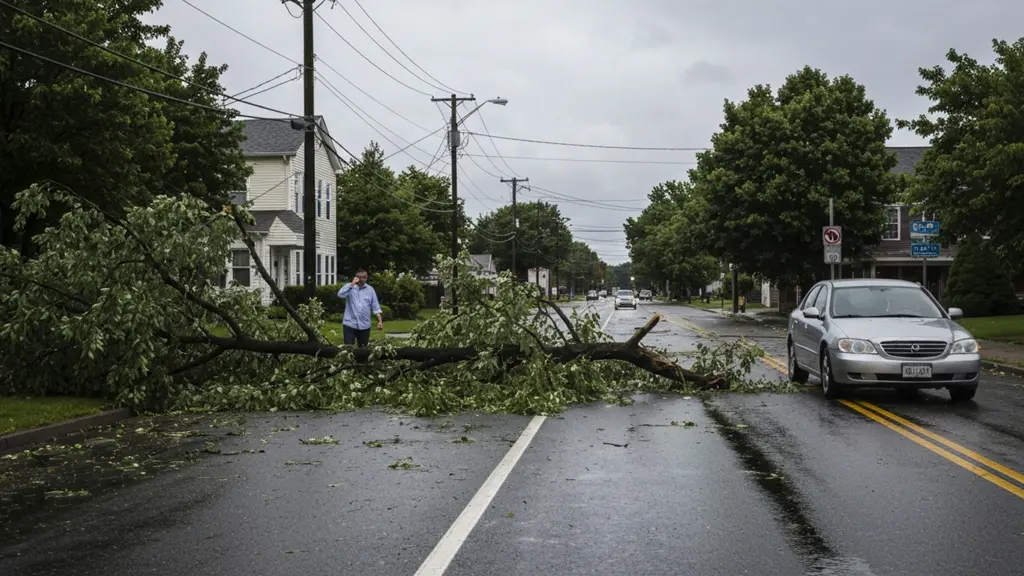
Various damages are anticipated due to this heavy rain and strong winds. First, the likelihood of property damage and safety accidents due to heavy rain has increased. Damage from falling objects such as signboards or tree branches may occur, so extreme caution is required when walking.
- Traffic Safety: Visibility is reduced and roads are slippery, increasing the risk of traffic accidents. Maintain sufficient safe distance and drive slowly.
- Crop Management: Crop inundation and strong wind damage are expected, so prior preparation is important.
- Coastal and Low-lying Area Safety: Due to strong lunar gravity, sea levels are high during this period, so prepare for inundation damage in coastal low-lying areas.
- Flight Operations: Flight operations may be disrupted due to strong winds, so airport users should check flight information in advance.
This rain is expected to break the prolonged early summer heat, with daytime temperatures recovering to normal levels of 18-23 degrees Celsius.
Action Guidelines for Preventing Safety Accidents

As heavy rain and strong winds are forecast, thorough preparation to protect personal and household safety is essential. Caution should be exercised before, during, and after the rain.
- Limit Outdoor Activities: Refrain from unnecessary outings, and children and the elderly should be especially careful.
- Facility Inspection: Inspect surrounding facilities such as rooftop drains, windows, and signboards in advance and secure them to prevent them from being blown away or damaged by strong winds.
- Vehicle Operation Caution: Do not enter flooded underpasses or riverside roads, and slowing down and maintaining a safe distance are basic.
- Check Evacuation Sites: Residents in low-lying areas should check evacuation sites in advance in case of emergency.
- Electricity and Gas Safety: In case of flood risk, turn off electricity and close gas valves to prevent electric shock and leakage accidents.
Safety is the top priority now. Continuously check and real-time , and evacuate to a safe place immediately if a dangerous situation occurs. Remember that a little attention can prevent a major accident.