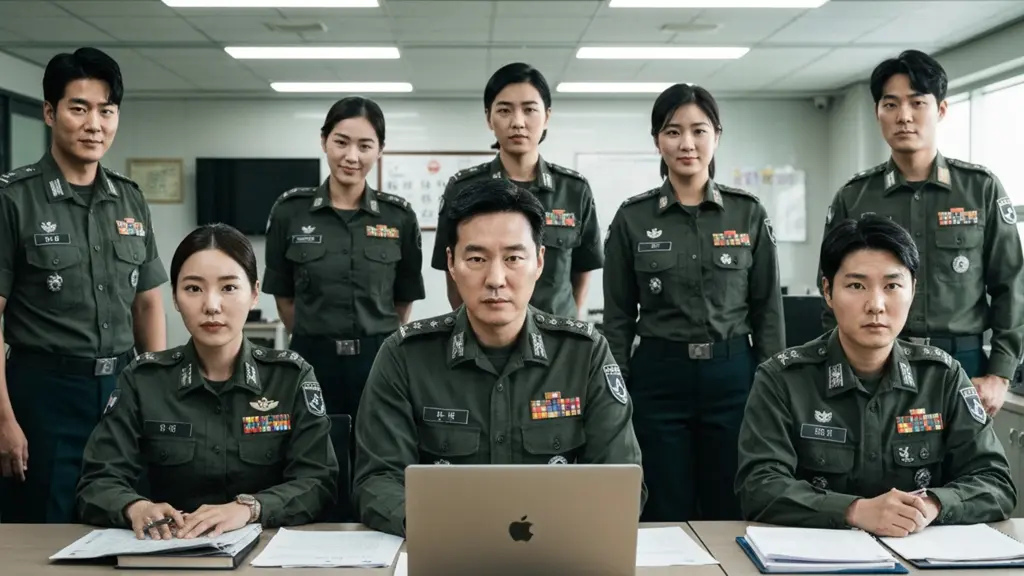
When people think of the military, they often picture soldiers in uniform. However, there are individuals who silently fulfill their roles to ensure the smooth operation of military organizations. These are the military civilians. They work in the same environment as soldiers, but their status is that of civilian public officials, responsible for various areas of military administration, technology, and support. With news of expanded recruitment and improved welfare benefits in 2026, interest in military civilians is growing even stronger.
Many people are curious about exactly what military civilians do and what makes this hidden pillar of national defense so appealing. This article delves deep into the world of military civilians, covering their roles, welfare benefits, and the 2026 recruitment trends – aspects we may not have known before. This will undoubtedly be interesting information for those seeking a stable career.
2026 Military Civilian Recruitment: How Much Has It Increased?

The Ministry of National Defense announced that it will recruit a total of 2,646 new military civilians in 2026. Of these, 2,352 will be selected through open competitive recruitment and 294 through career competitive recruitment. Notably, 9th-grade recruitment accounts for the majority of the total, focusing on staffing practical personnel. By military branch, the Army will select the largest number of personnel, followed by the Navy, Air Force, and direct units and agencies under the Ministry of National Defense. To accommodate socially vulnerable individuals, the recruitment of military civilians with disabilities will also be expanded, with a total of 709 selected through a separate process. The written exam is scheduled for July, and the interview exam for September.
What Do Military Civilians Do, and Why Is It a Stable Career?

Military civilians demonstrate expertise in a truly diverse range of fields, including administration, technology, research, medical services, and supply. Unlike soldiers who perform combat missions, they are responsible for support tasks as national public officials within the unique organization of the military. They play an essential role in strengthening national defense capabilities and improving military operational efficiency. The reasons why military civilians are considered a stable career are as follows:
- Public Official Status: Stable status is guaranteed, identical to that of general public officials.
- Guaranteed Retirement Age: They can work stably until the retirement age.
- Various Allowances: In addition to basic salary, they receive allowances similar to general public officials, such as fixed meal allowances, position allowances, and holiday bonuses, and there are also additional allowances reflecting the characteristics of their workplaces.
- Pension Benefits: They are eligible for public official pension benefits.
2026: Changes in Military Civilian Welfare Benefits

Starting in 2026, there will be several important changes to military civilian welfare benefits. Particularly noteworthy is the expansion of the ‘Military Dream Challenge Support Fund’ system. Previously, this support fund was only provided to the children of active-duty soldiers, but from 2026, it will be extended to include the children of military civilians. This is good news for military civilian parents with children entering university, as it will help alleviate the burden of tuition fees.
- Customized Welfare Points: Annually allocated welfare points (1 point = 1,000 won) can be used to select desired welfare items. These consist of basic welfare points, length-of-service welfare points, and family welfare points.
- Recommendation for Improvement of Medical and Housing Conditions: The National Human Rights Commission determined that the housing and medical conditions for military civilians working in vulnerable areas, such as remote locations, were inadequate and recommended improvements to the Minister of National Defense. In particular, issues such as having to vacate official residences when active-duty soldiers applied and restrictions on in-hospital dispensing at military medical institutions are expected to be improved.
Military civilians are an important profession that contributes to national security by forming one of the pillars of national defense. The news of expanded recruitment and improved welfare in 2026 further enhances the appeal of a military civilian career. For those seeking a stable future and a rewarding profession, military civilian service will undoubtedly be an attractive option.