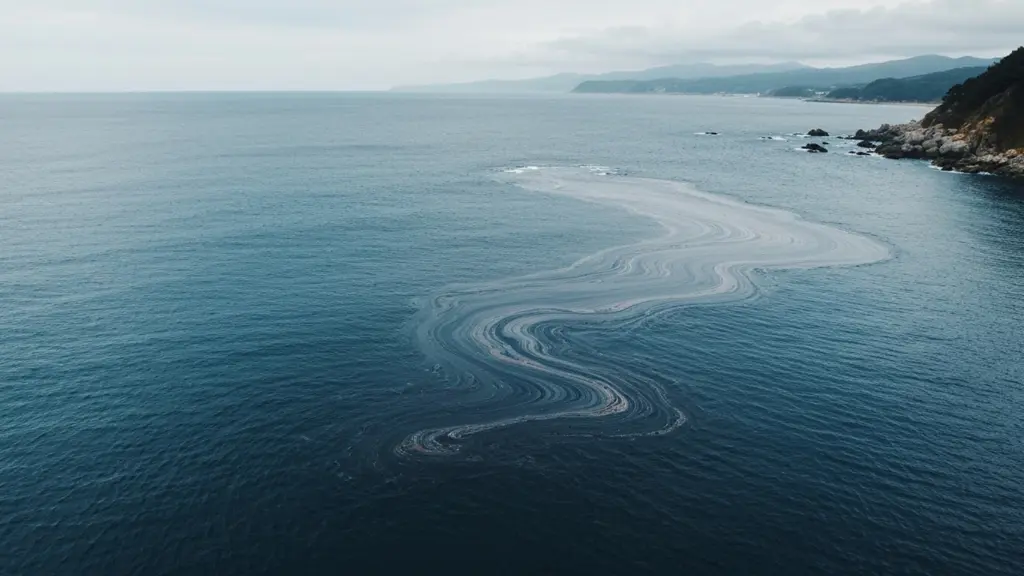
Recent news from the Middle East is truly unsettling. In particular, the large-scale oil spill near Iran’s Kharg Island in the Persian Gulf goes beyond mere environmental pollution, revealing a complex facet of international affairs. Satellite image analysis as of May 7th, showing over 3,000 barrels of crude oil spread across approximately 51 square kilometers of sea, is shocking. This incident is analyzed as a consequence of the US blockade of the Strait of Hormuz combined with Iran’s lack of crude oil storage capacity.
This situation is not just Iran’s problem. It is serious because it further fuels instability in the global energy market and could ultimately lead to a domino effect threatening our food prices.
Strait of Hormuz Blockade, What’s Happening to Iran?
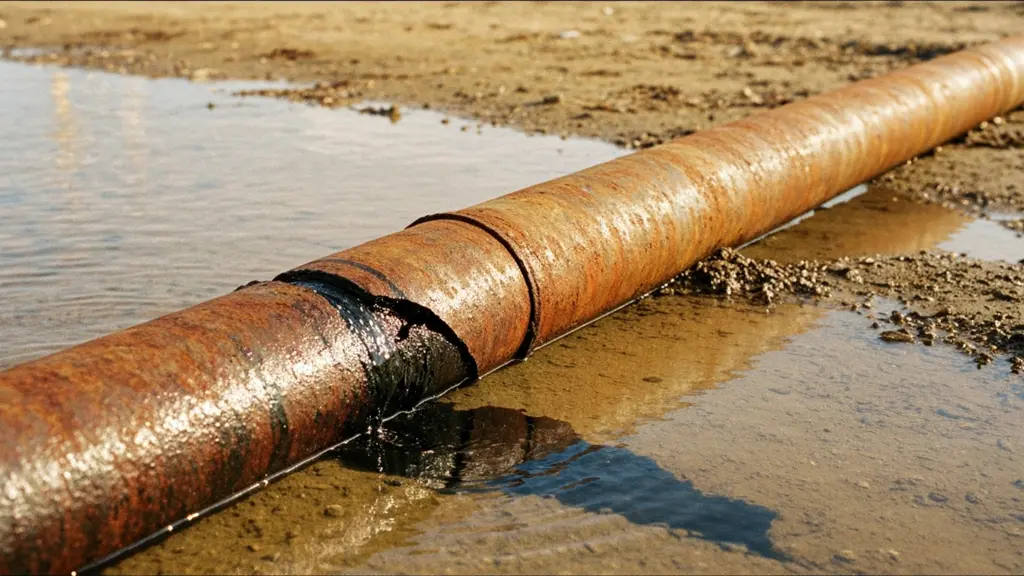
The massive oil spill near Iran’s Kharg Island is not unrelated to the intensified US blockade of the Strait of Hormuz. As the US military strengthens control over Iranian-flagged vessels and ships departing from Iran, Iran’s crude oil export routes are virtually blocked. For Iran, which finds it difficult to arbitrarily halt crude oil production, a severe problem of insufficient storage space has arisen.
This situation is cited as the direct cause of the oil spill.
- Exceeding Storage Limits: It is possible that crude oil spilled due to storage facilities exceeding their capacity.
- Rupture of Aging Pipeline: The possibility of a rupture in an aging subsea pipeline transporting crude oil from oil fields west of Kharg Island has also been raised.
- Possibility of Intentional Discharge: There is even speculation that Iran may have intentionally discharged crude oil into the sea due to a lack of storage space.
The exact cause of the spill is still unclear, but it is evident that all these possibilities are tragic consequences of the unstable situation in the Middle East.
More Than Just an Environmental Disaster: Ripple Effects
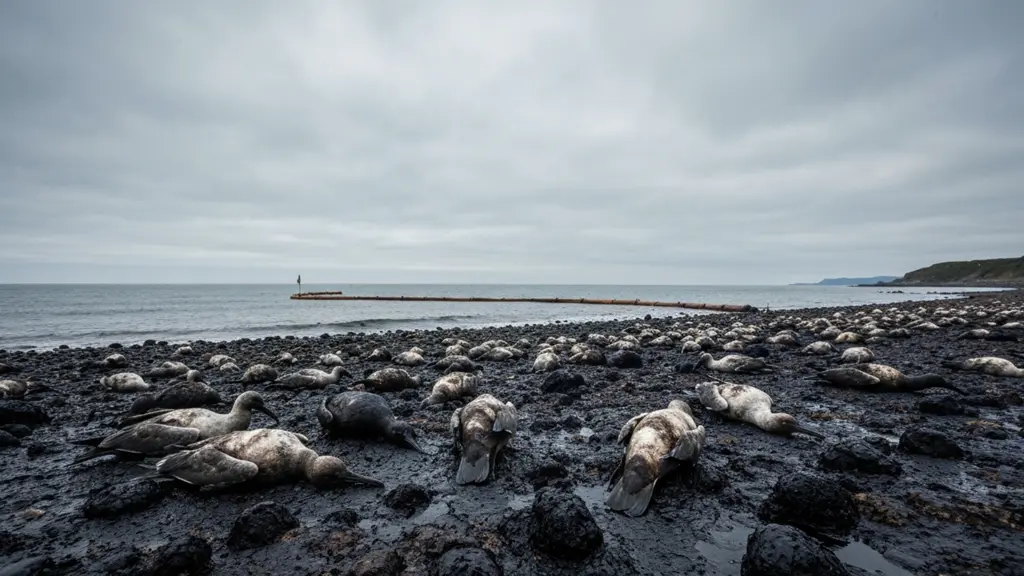
This Iranian oil spill could have a devastating impact on the Persian Gulf ecosystem. Warnings suggest that if the spilled crude oil spreads along currents to coastal areas in the shallow Persian Gulf, the damage to coastal ecosystems will be immense. Particularly sensitive ecosystems such as mangroves, coral reefs, seabirds, turtles, and spawning grounds could suffer severe damage.
Beyond environmental damage, the economic ripple effects are also significant.
- Upward Pressure on International Oil Prices: Geopolitical risks such as the Strait of Hormuz blockade are major drivers of rising international oil prices. As of May 3, 2026, international oil prices have already reached $126/barrel, nearly doubling compared to December last year.
- Rising Food Prices: Rising international oil prices lead to increased demand for biofuels and higher fertilizer production costs, pushing up global food prices, especially edible oil prices. According to the UN Food and Agriculture Organization (FAO), the world food price index rose for the third consecutive month in April, and the vegetable oil price index reached its highest level since July 2022.
- Overall Inflation: High oil prices affect transportation costs and the production costs of various consumer goods, acting as a factor that exacerbates overall inflation.
Ultimately, the oil spill is not an isolated incident but a problem intertwined with complex international affairs and economic factors.
2026 Oil Market: ‘Prolonged High Oil Prices’ a Foregone Conclusion

The International Energy Agency (IEA) and major analytical institutions project that the global oil market surplus in 2026 will narrow even further than expected. Despite increased supply from non-OPEC producers, geopolitical conflicts, sanctions, and the influence of OPEC+ are expected to persist. In particular, if the Strait of Hormuz blockade is prolonged, international oil prices will remain ‘higher for longer,’ with some scenarios even mentioning the possibility of exceeding $200/barrel.
This trend of high oil prices is supported by several factors:
- Geopolitical Instability: Tensions in the Middle East are a key variable that can disrupt the crude oil supply chain at any time.
- Demand Recovery: Crude oil demand is expected to continue increasing with the recovery of the global economy.
- Dollar Volatility: Dollar volatility is cited as one of the biggest variables for oil prices in 2026, and a weaker dollar could fuel rising oil prices.
In conclusion, the dominant forecast for the 2026 oil market is that high oil prices will be prolonged due to a tightening supply-demand balance rather than an oversupply. This is not just a prediction but a phenomenon already becoming a reality.
The Iranian oil spill incident reveals a complex facet of international problems that cannot be dismissed as merely an environmental issue for one country. Geopolitical tensions in the Strait of Hormuz are threatening marine ecosystems, exacerbating instability in the global energy market, and ultimately shaking the prices of goods in our daily lives. It is time to closely monitor international movements surrounding Iran and changes in the global energy market.