
2026 economy Half of 2026 has already passed. Every year around this time, we receive the first-half economic report and forecast the outlook for the second half. This year, in particular, many sectors have shown unexpected strong performance despite volatile market conditions, drawing attention. While everyone acknowledges these are difficult times, there are certainly companies and industries finding their way and achieving ‘God-tier success’ within them. What did the first half of 2026 truly mean for us? And what changes await us in the second half? A cool-headed analysis is needed.
In fact, the first half of this year began with significant concerns due to an unstable international situation and high-interest rate policies. However, some industries showed surprising resilience and growth amidst these adverse conditions, capturing market attention. Their achievements were not merely due to luck. They were the result of meticulous strategies and rapid adaptation to change. We can glean important hints for the upcoming second half from their success stories.
2026 First Half: ‘Unexpected’ Growth Drivers Led by Technological Innovation
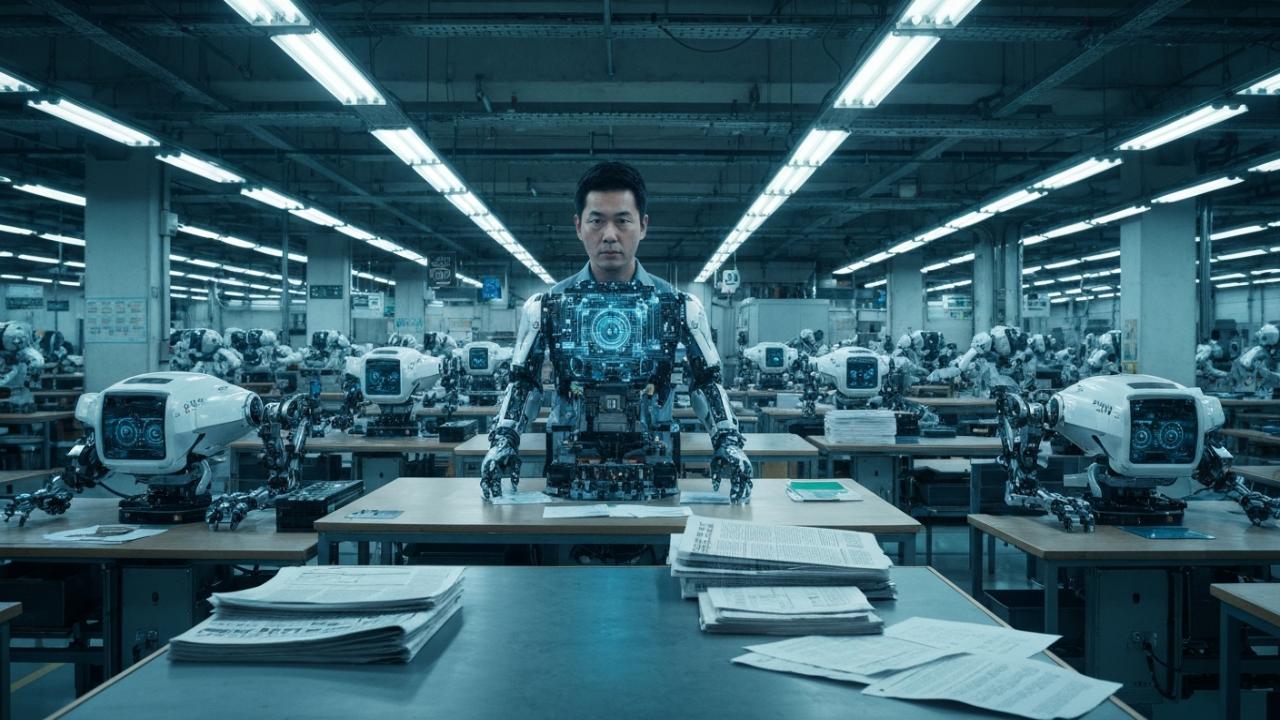
The economy in the first half of 2026 was generally challenging. However, advanced technology sectors, led by artificial intelligence (AI) and robotics, were truly described as ‘on fire.’ The AI semiconductor market, in particular, experienced a supply shortage, proving explosive demand. This is significant because it didn’t just stop at technological development but led to improved productivity and the creation of new services across various industries.
- Widespread adoption of AI-based solutions: The introduction of AI-based automation and optimization solutions accelerated across various industries, including manufacturing, finance, and healthcare. This contributed to alleviating labor shortages and reducing costs, directly impacting corporate performance.
- Re-evaluation of the robotics industry: The logistics and service robot markets grew faster than expected, emerging as new investment opportunities. Collaborative robots, in particular, significantly helped improve productivity for small and medium-sized enterprises, acting as a driving force for market expansion.
- Surge in cloud infrastructure demand: The increasing volume of AI and big data processing led to an unprecedented surge in demand for cloud computing infrastructure. This directly translated into increased revenue for related companies.
Unexpected Strong Performance: The Resurgence of K-Content and Tourism

After the slump caused by the COVID-19 pandemic, the K-content and tourism industries showed a remarkable recovery in the first half of 2026. K-content, including K-pop, dramas, and films, continued to demonstrate powerful influence based on global fandom, generating high profits in overseas markets. Furthermore, a significant increase in foreign tourist arrivals revitalized related industries across the board.
- Global success of K-content: Album sales of specific K-dramas and idol groups broke all-time records, further solidifying the status of Korean content in the global cultural market.
- Increase in tourist arrivals: Thanks to relaxed visa policies with major countries and proactive promotional activities, the number of foreign tourists almost recovered to pre-pandemic levels. Medical tourism and gourmet tourism were particularly popular.
- Improved performance of duty-free shops and airlines: Driven by increased tourism, duty-free shop sales surged, and airline routes expanded, leading to significant improvements in the performance of related companies.
Strategy for the Second Half Market: The Importance of ‘Selection and Concentration’

Based on the first-half performance, the market in the second half is expected to become even more complex. High-interest rates and international geopolitical instability will continue to be variables. In this situation, a strategy of ‘selection and concentration’ becomes more crucial than ever, rather than reckless expansion. The technology innovation sectors, K-content, and tourism industries that performed well in the first half are likely to continue their growth in the second half.
- Advanced AI technology and commercialization: AI technology is no longer an option but a necessity. Companies must actively integrate AI into their business models, treating it as a core competitive advantage rather than just a tool.
- Sustainable K-content strategy: Instead of being satisfied with short-term success, it is essential to advance content planning and production systems from a long-term perspective to maintain competitiveness in the global market.
- Diversification of the tourism industry: It is necessary to move away from attracting tourists concentrated in specific countries, attract tourists from various nations, and focus on developing customized products for individual travelers.
In conclusion, the first half of 2026 demonstrated that industries found new opportunities and grew despite challenging conditions. Their flexible responses and innovative attempts will serve as important lessons for all companies and individuals preparing for the second-half market. The upcoming half may also be difficult, but it is a time when wisdom is needed to turn crises into opportunities with smart strategies.