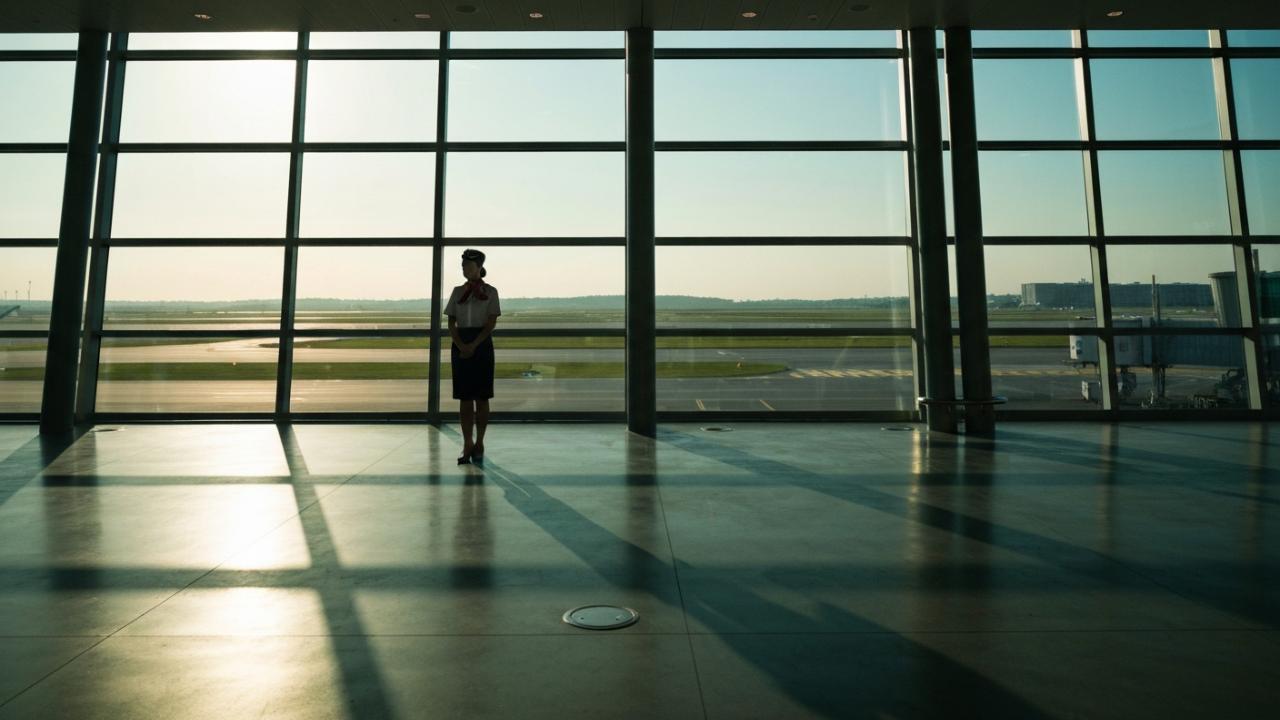
Behind the romance of air travel always lies the dedication and hard work of flight attendants. Recently, shocking news came from the US airline industry. Spirit Airlines, an ultra-low-cost carrier in the US, closed its doors, leaving numerous flight attendants jobless overnight. This news, which feels close to home, what exactly was the problem?
In fact, the aviation industry is always in flux. Many airlines reeled from the unprecedented crisis of the pandemic, and the aftermath directly impacted flight attendants on the ground. The closure of Spirit Airlines is a reminder of this unstable reality.
Spirit Airlines’ Shocking Closure Announcement

US ultra-low-cost carrier (ULCC) Spirit Airlines ceased all operations and began liquidation procedures as of May 2, 2026. This news sent shockwaves throughout the entire aviation industry. According to Reuters, most customer refund procedures were completed, but approximately 1,500 flight attendants stranded across the US and Central/South America experienced chaos returning to their original workplaces.
The downfall of Spirit Airlines did not happen overnight.
- Failed Merger: The collapse of its merger with JetBlue Airways in 2024 led to severe management difficulties, including decreased revenue and increased costs.
- Financial Deterioration: After filing for its second bankruptcy protection in August last year, the airline sought self-rescue measures such as selling aircraft and raising fares, but it was insufficient.
- External Factors: Crucially, the outbreak of the Iran war in late February this year caused jet fuel prices to skyrocket, making the recovery plan unfeasible and ultimately leading to a depletion of cash.
Even emergency bailout negotiations with the Trump administration failed, making liquidation unavoidable for Spirit Airlines.
The Reality of Flight Attendants Losing Their Jobs Overnight
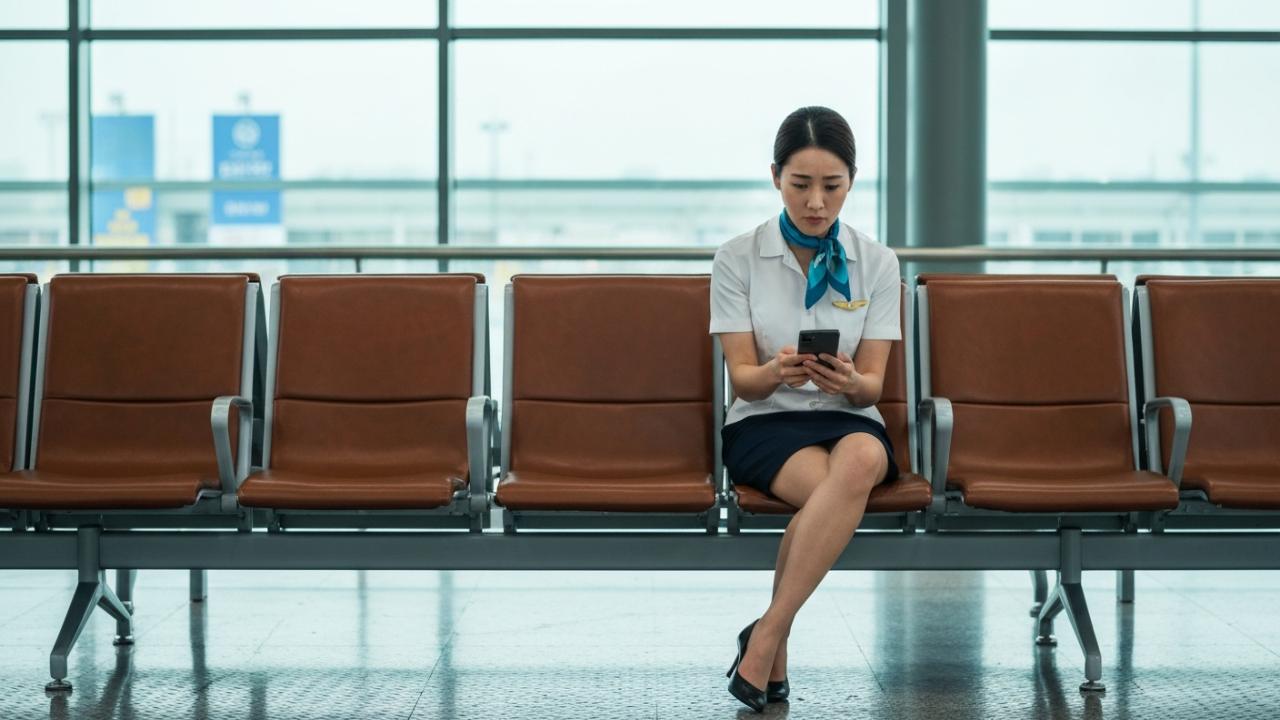
Approximately 1,500 flight attendants suddenly became unemployed. Losing their jobs immediately is shocking enough, but the anxiety and despair they must have felt are beyond imagination. They were traversing the globe, and suddenly they lost their place to return to. The aviation industry may appear glamorous on the surface, but it also has an unstable side, susceptible to significant fluctuations from unexpected external factors at any time.
Considering the unique characteristics of the flight attendant profession, it’s even more disheartening:
- Irregular Lifestyle: Frequent flights and jet lag issues can easily disrupt one’s biological rhythm.
- Emotional Labor: Dealing with numerous passengers and suppressing emotions constitutes significant emotional labor, causing considerable stress.
- Risk of Career Interruption: In the event of airline closures or restructuring, there’s a practical problem that specific career experience is not easily transferable to other industries.
This incident must have given flight attendants not just ‘job loss’ but fundamental concerns about their future.
Is Global Aviation Still Actively Recruiting Flight Attendants?

While the news of Spirit Airlines’ closure may sound grim, not all airlines are in a slump. On the contrary, as of 2026, several domestic and international airlines are actively recruiting flight attendants in preparation for the launch of integrated airlines and route expansion.
For example, major Korean airlines are conducting large-scale recruitment in 2026:
- Korean Air: Began open recruitment in 2026, focusing on securing excellent personnel in preparation for an integrated airline. They are also recruiting new cabin crew, with an estimated selection of approximately 1,000 cabin crew members in 2026 alone.
- Low-Cost Carriers (LCCs): Domestic LCCs like Jeju Air and Eastar Jet are also actively conducting open recruitment for new cabin crew, fueling competition for talent.
As such, the overall demand for personnel in the aviation industry is expanding. After the COVID-19 pandemic, air travel demand recovered rapidly, leading to an increase in flights compared to before, and particularly with international travel demand exceeding previous levels, the demand for flight attendants has significantly risen.
The Shadow Hidden Behind the Path of a Flight Attendant

The profession of a flight attendant remains an object of aspiration for many. This is due to many attractive elements such as stylish uniforms, the experience of traveling the world, and meeting diverse people. However, there are also considerable shadows behind it. Irregular lifestyles and jet lag are basic, and situations requiring emotional responses to unreasonable passenger demands are frequent.
Furthermore, voices advocating for improved working conditions and protection of flight attendants’ rights are growing, as exemplified by the recent lawsuit filed by the Air Busan cabin crew union against the company for unfair labor practices. Such labor-management conflicts are not unique to Air Busan but are indicative of the difficulties flight attendants face across the aviation industry. Beyond merely being perceived as ‘service staff,’ there is an urgent need for respect and improved treatment for flight attendants as ‘professionals’ responsible for safety.
Being a flight attendant is by no means an easy job. They are always on the front lines amidst the constantly changing currents of the aviation industry. The closure of Spirit Airlines was a crisis on one hand, but on the other, it suggests the possibility of change by showcasing other airlines that are continuously growing and expanding their workforce. At this time, a realistic understanding of this profession, along with preparation for the future, has become even more important.