
Recently, the Fair Trade Commission (FTC) has been imposing strong sanctions against collusive practices across the Korean economy. Especially in the first half of 2026, a fierce crackdown is underway against collusive forces that disrupt market order, from essential goods directly related to people’s livelihoods to key industries. It’s as if a ‘war on collusion‘ has been declared. A strong message is being sent that secret agreements targeting consumers’ wallets will no longer be tolerated.
In particular, the news of massive fines imposed on the paper industry and the detection of collusion in essential food ingredients like sugar and flour surprised many. It seems that the judgment was made that past lenient responses could no longer resolve market distrust. What is the real reason behind the FTC’s increasingly tough stance?
FTC Wields Sword Against ‘Repeat Collusion’, 300 Billion Won Fine for 6 Paper Companies

In April 2026, the Fair Trade Commission sent a strong warning to the market by imposing a total fine of 338.3 billion won on six printing paper manufacturers. Major paper companies, including Hansol Paper and Moorim, were found to have secretly colluded on the prices of printing paper used in education and publishing for approximately four years. Investigations revealed that this collusive behavior led to massive consumer damage, with printing paper sales prices rising by an average of 72%.
- The FTC did not stop at merely imposing fines; it also issued price re-determination orders to each company to neutralize the price system formed by the collusion.
- This is the first strong administrative measure in 20 years since the 2006 flour collusion case, demonstrating the will to correct market distortions caused by collusion.
- This fine is the fifth largest amount ever imposed by the FTC in a collusion case, and the largest fine ever imposed on paper companies.
The FTC is pursuing strict legal accountability, including filing criminal complaints against some corporations. These strong sanctions demonstrate the FTC’s firm resolve to eradicate repeated collusive practices.
The Naked Truth of Sugar and Flour Collusion, Manipulating Public Prices
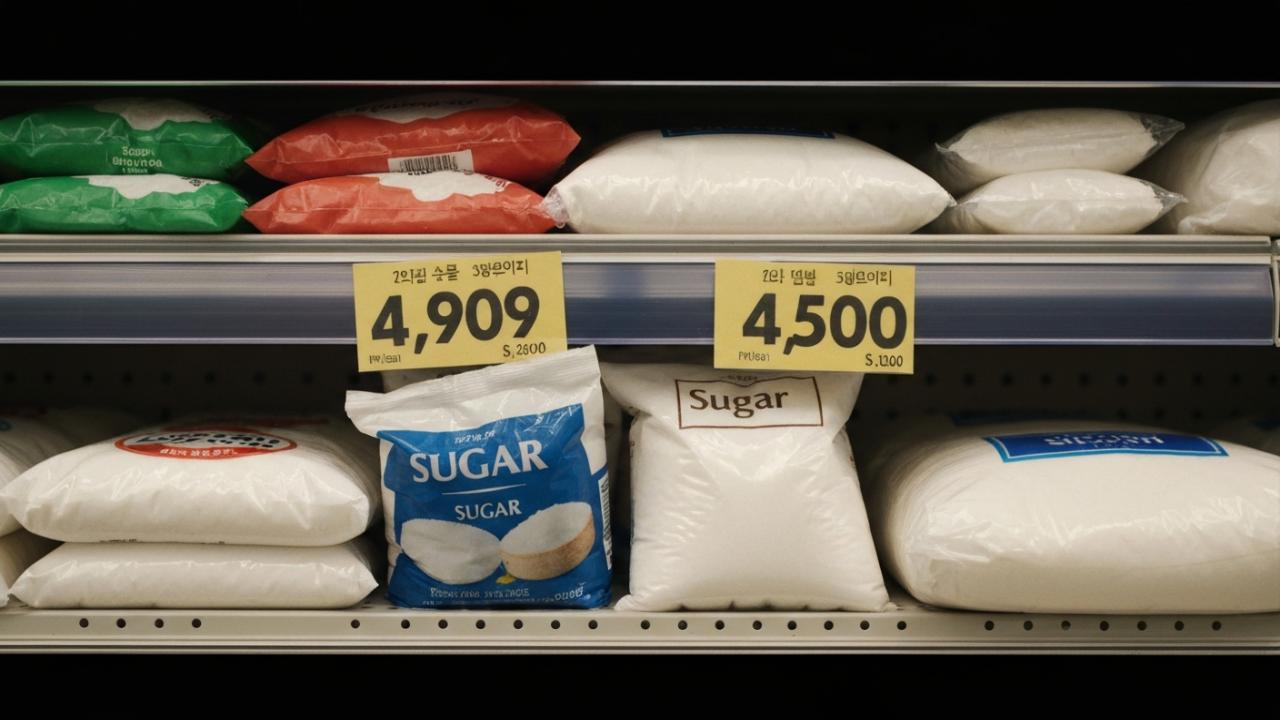
In addition to sanctions against the paper industry, the FTC also took action against collusive practices in the sugar and flour markets, which are directly linked to public prices. In February 2026, prosecutors indicted a total of 52 individuals, including CEOs of milling and sugar refining companies that dominate the domestic market, in connection with alleged price collusion for flour and sugar. They had colluded on the timing and extent of price increases for several years, causing immense damage to consumers.
- Seven milling companies colluded on the timing and extent of flour price increases worth 6 trillion won over six years, leading to flour price increases of up to 42%.
- The three companies that dominate 90% of the domestic sugar market – Samyangsa, CJ CheilJedang, and Daehan Sugar – executed collusion worth 3.27 trillion won, driving sugar prices up by as much as 67%.
- After two years of persistent tracking, the FTC obtained confessions from these three sugar refining companies, breaking the chain of collusion. This was even more shocking as these companies had a history of being caught for collusion in 2007.
Collusion arising from an oligopolistic structure like this is a major culprit in limiting consumer choice and fueling price increases. The FTC is expanding its comprehensive investigations into other major food ingredients such as flour, eggs, and pork, striving to stabilize people’s livelihoods.
‘Collusion Eradication Measures’ to Restore Market Order

To eradicate repeated collusive practices, the Fair Trade Commission has introduced strong institutional improvement measures. This appears to be a strategic move to instill the understanding that the losses from collusion far outweigh the gains, going beyond mere fine imposition. Through the ‘Measures to Eradicate Repeat Collusion,’ the FTC aims to effectively expel or prevent businesses that repeatedly collude from operating in the market.
- Increased Surcharge Rate: Even a single repeat offense within 10 years will result in a surcharge rate increase of up to 100%, doubling the existing penalty.
- Expanded Market Participation Restrictions: A system will be introduced allowing the FTC to request business suspension or registration cancellation from relevant ministries for repeat colluding businesses, and the scope and duration of public bidding participation restrictions will also be expanded.
- Reduced Leniency Benefits: The fine reduction benefits applied to voluntary self-reporting will be reduced, making it harder for companies involved in collusion to easily escape.
- Strengthened Executive Accountability: The introduction of dismissal or suspension orders for executives who spearheaded collusion is also being considered. This is interpreted as an attempt to break the chronic network of collusion.
- Enhanced Consumer Damage Relief: Group lawsuits will be expanded to include compensation for damages, and measures are being pursued for the FTC to support the submission of necessary documents during litigation.
These strong collusion eradication measures by the FTC will prevent companies from viewing collusion as a means of profit generation. Ultimately, this will significantly contribute to fostering a fair competitive environment and protecting consumer rights.
The Fair Trade Commission is expressing a strong commitment to eradicating collusion and is taking concrete action. Efforts to root out unfair practices across all sectors, from essential goods to industry as a whole, are crucial for restoring market trust. Now, companies must realize that it is beneficial to adhere to the principles of fair competition from the outset, rather than just regretting their actions like a ‘parrot’ repeating the same mistakes. We hope that these moves by the FTC will inject healthy vitality into our economy.