
In 2026, the used market is red hot. The used car market, in particular, is showing an unexpected surge, surprising everyone. Amid concerns about the overall economic situation, the news that used car prices have reached a three-year high is truly an unusual phenomenon. What lies behind this boom? Beyond simple demand growth, we delve into the complex market dynamics, new policy changes, and persistent shadows that coexist in the 2026 used market.
Beyond simply saving and being frugal, second-hand trading has now become a consumer culture. Platforms like Karrot have penetrated deep into daily life, and the resale market is also growing in size. Within this massive trend, important changes that we should not miss are being observed everywhere.
The 2026 Used Car Market: An Unexpected Hot Potato

As of March 2026, the wholesale price index in the U.S. used car market rose by 6.2% year-on-year, reaching its highest level in approximately three years. According to the Manheim report, this is the highest level since the summer of 2023, and a 2.3% increase compared to the beginning of this year. This upward trend is analyzed as a result of consumers’ anticipation of tax refunds combined with dealers’ increased demand forecasts. In fact, the sales conversion rate in March was 68.2%, 4.6 percentage points higher than the average for the past three years.
- Increased Demand: Strong consumer sentiment for purchasing used cars played a significant role.
- Tax Refund Expectations: The expectation that purchasing power would increase through tax refunds from the beginning of the year was reflected.
- Inventory Shortage: As of March, inventory days dropped below 40 days, reaching the lowest level this year, fueling price increases due to supply shortages.
In particular, the used electric vehicle (EV) market is also showing a robust trend with an increase in vehicles returning from leases, maintaining active transactions and price increases. While there are predictions that the market will slow down somewhat in the second half of this year, the intense heat of the used car market shows no signs of cooling down for now.
2026 Used Goods Trading Policy Changes for Restoring Trust
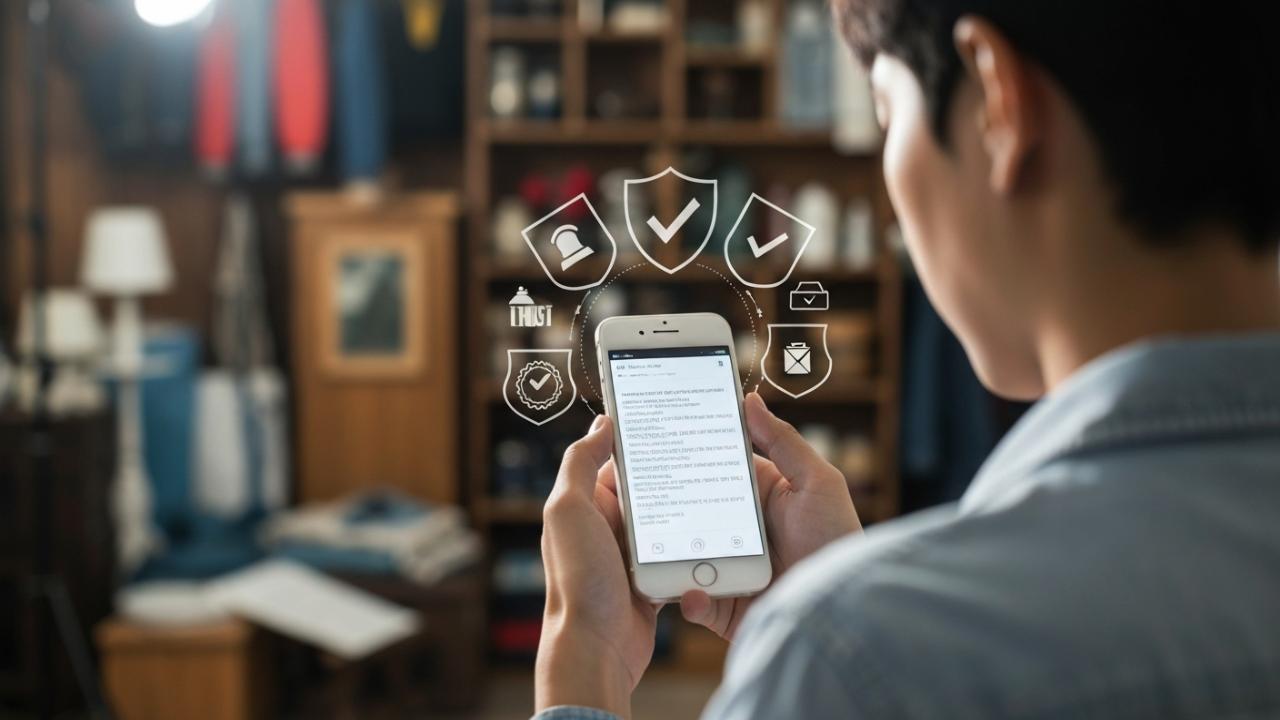
Behind the active used goods trading, there are also chronic problems. In particular, issues of trust between sellers and buyers, and fraud damage, have hindered the growth of the used market. According to the Republic of Korea Policy Briefing, new policies for internet shopping and used goods trading will be implemented from 2026 to strengthen consumer protection. This is part of establishing an effective safety net in response to criticisms of a ‘distrusted used market’.
- Obligation to Provide Personal Seller Information: In case of disputes, intermediary platforms will be obligated to provide personal seller information and transaction details to courts, etc.
- Mandatory Designation of Domestic Agents for Overseas Businesses: To prepare for delivery and payment problems during overseas direct purchases, overseas businesses will also be required to designate domestic agents to handle consumer complaints and disputes.
- Transparent Disclosure of Review Collection and Processing Standards: To prevent manipulation controversies, it will be mandatory to transparently disclose the standards for collecting and processing reviews.
- Introduction of Consent Order System for Consumer Damage: A consent order system will be introduced to quickly and effectively remedy damages suffered by multiple individuals.
These policy changes are expected to contribute to creating an environment where consumers can trade with greater peace of mind by increasing the transparency and safety of used goods transactions. Ultimately, it is moving towards strengthening the responsibility of platforms.
The Shadow of Used Goods Trading: Fraud and Safety Issues
Despite policy efforts, a dark shadow still hangs over the used goods trading market. In 2026, various fraud and safety incidents related to used goods trading continue to be reported. One of the most shocking cases is the used car odometer tampering incident in Marietta, Georgia. A man was arrested for tampering with a vehicle’s odometer and using fake IDs and forged vehicle history reports to sell used cars at inflated prices. The victim purchased the vehicle through Facebook Marketplace, but it was revealed that the actual mileage was much higher than indicated.
- Odometer Tampering: The act of a used car seller manipulating the odometer to inflate the vehicle’s value.
- Accidents by Unlicensed Drivers: Cases where teenagers cause accidents while driving vehicles purchased through used goods apps without a license.
- Theft and Resale of Used Goods: Cases where expensive luxury goods are stolen and then resold at low prices on used goods platforms, being exploited for organized crime.
As such, used goods trading can still be a hotbed for fraud. When engaging in private transactions, it is crucial to check official vehicle history reports and have the vehicle inspected by a mechanic before purchasing. Furthermore, extreme caution is required when dealing with cash, and verifying the seller’s identity should not be overlooked.
The 2026 used market is certainly hot, but there are many aspects that need careful attention. Rising used car prices and the introduction of new policies are positive signs, but fraud still threatens consumers. Ultimately, only through the combined efforts of wise consumer judgment, platforms, and policy authorities can the used market develop more soundly.