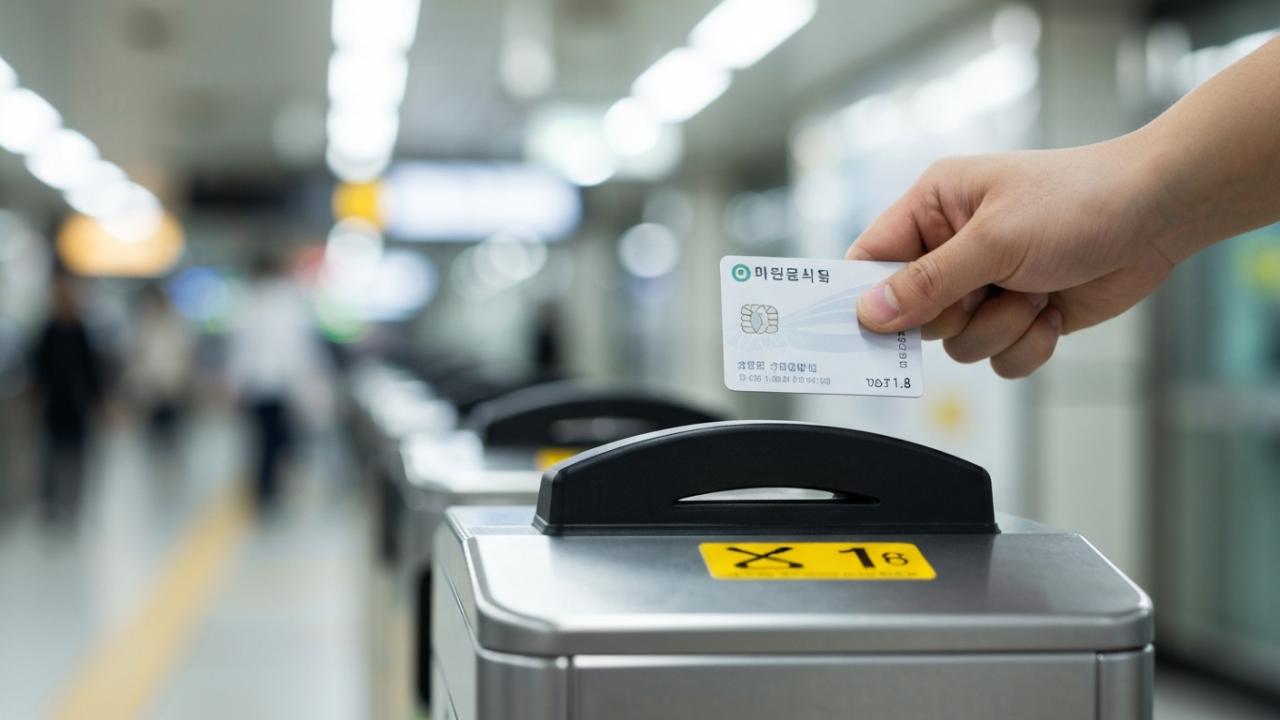
Public transportation is an essential part of our daily lives. Every day, countless citizens use subways and buses, enjoying their convenience. However, an act that shakes the very foundation of this public transportation system continues to be rampant: fare evasion. If you simply think, ‘Isn’t it just getting caught trying to save a few pennies on the fare?’, you’re mistaken. As of 2026, fare evasion is occurring on an unimaginable scale, eroding public trust.
According to a recent announcement by Seoul Metro, over 53,000 cases of fare evasion have been detected annually on the Seoul subway alone over the past three years. The surcharges collected from these cases exceed 2.5 billion won annually. At this point, it feels less like a simple mistake and more like a chronic problem. Especially considering that approximately 8,800 cases were detected and 460 million won in surcharges were imposed in just the first quarter of this year, this issue is ongoing.
Seoul Subway Fare Evasion: The Stark Reality of 50,000 Cases Annually and 2.5 Billion Won in Surcharges
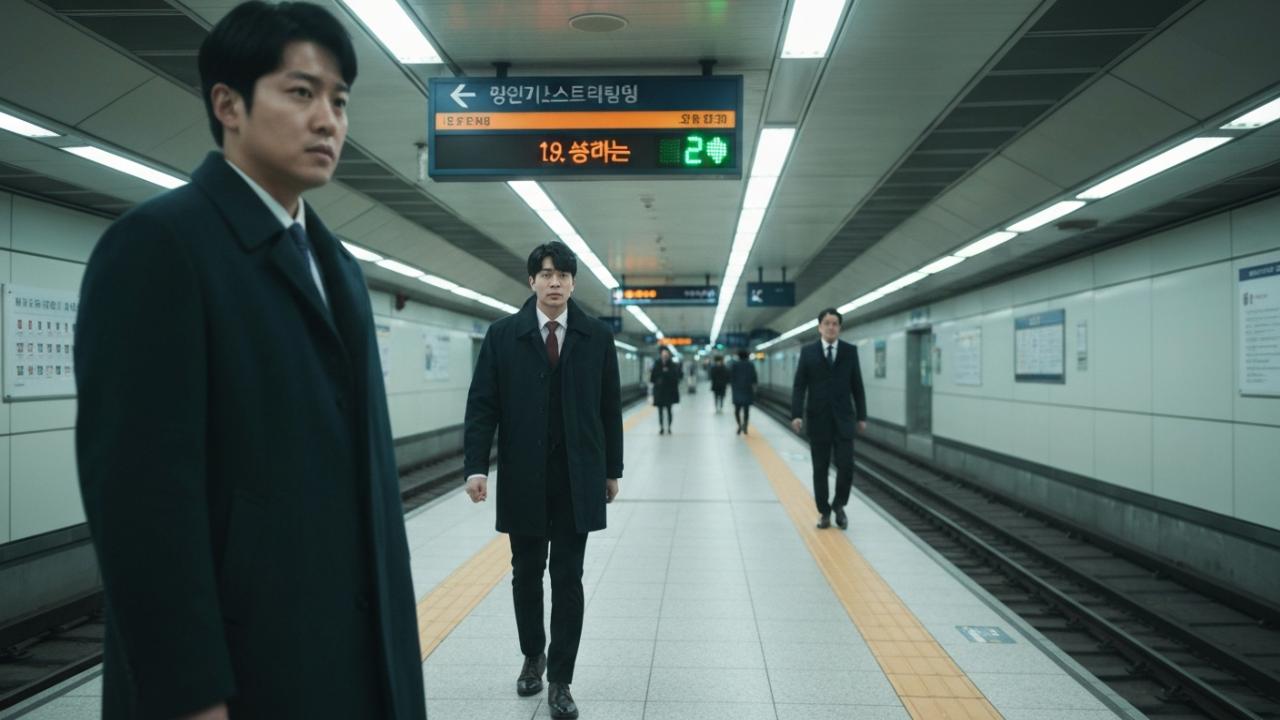
The current state of fare evasion on the Seoul subway is more serious than one might think. Over the past three years, from 2023 to 2025, an average of over 53,000 cases of fare evasion were detected annually, resulting in surcharges exceeding 2.5 billion won each year. This is not just a monetary loss; it’s a problem that can deepen the sense of deprivation among honest citizens who pay their fares fairly. Seoul Metro maintains a strong stance, applying a ‘zero-tolerance principle’ to fare evasion.
- No Ticket/Unreported: The most basic type, using the subway without a ticket.
- Fraudulent Use of Discount Transit Cards: Borrowing and using discount cards belonging to family or acquaintances accounts for approximately 80% of all fare evasion.
- Improper Use of Discount Tickets: Cases where individuals unfairly receive discount benefits that do not apply to them.
It is important to remember that these actions are clear crimes of unauthorized use of public services, and ultimately, the losses are borne by all citizens. News of fare evasion detections, which surface periodically, leaves a bitter taste.
Fraudulent Use of Discount Transit Cards: The Irony of Accounting for 80% of All Fare Evasion
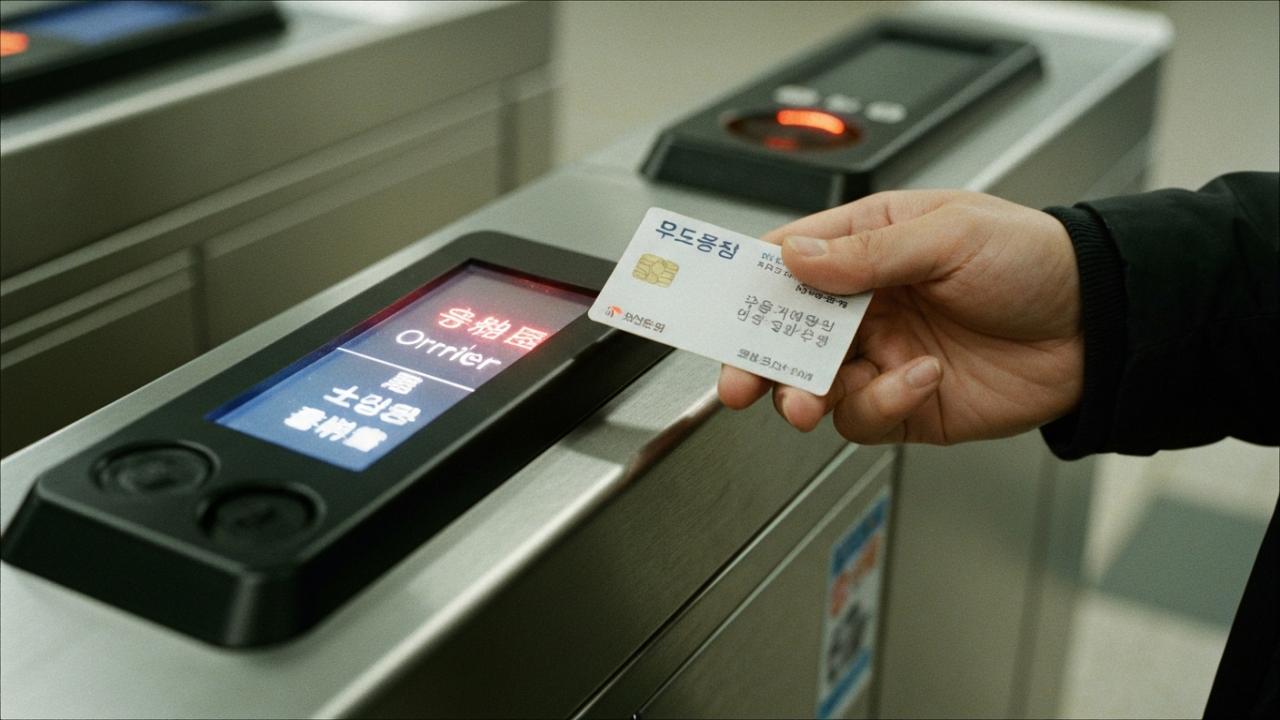
A closer look at the types of fare evasion on the Seoul subway reveals that fraudulent use of discount transit cards accounts for an overwhelming proportion. Approximately 80% of all fare evasion stems from this issue. It is truly regrettable that systems designed for the socially vulnerable, such as senior citizen discounts and disability discounts, are being exploited. Cases of borrowing parents’ or spouses’ cards for commuting have already become common.
- Borrowing Family/Acquaintance Cards: The most common is using another person’s discount card.
- Fraudulent Use of Climate Card: The recently introduced Climate Card is also being misused through methods such as using another person’s card, sharing cards, and fraudulent use of youth passes. Last year, 5,899 cases were detected.
Seoul Metro is implementing preventive measures to curb such fraudulent use, such as displaying purple indicators on turnstiles or broadcasting ‘Youth Discount’ audio messages. However, improving civic consciousness is essential for a fundamental solution to the problem.
Enhanced Enforcement: The Ultimate Fate of Fare Evasion Caught by Big Data and CCTV
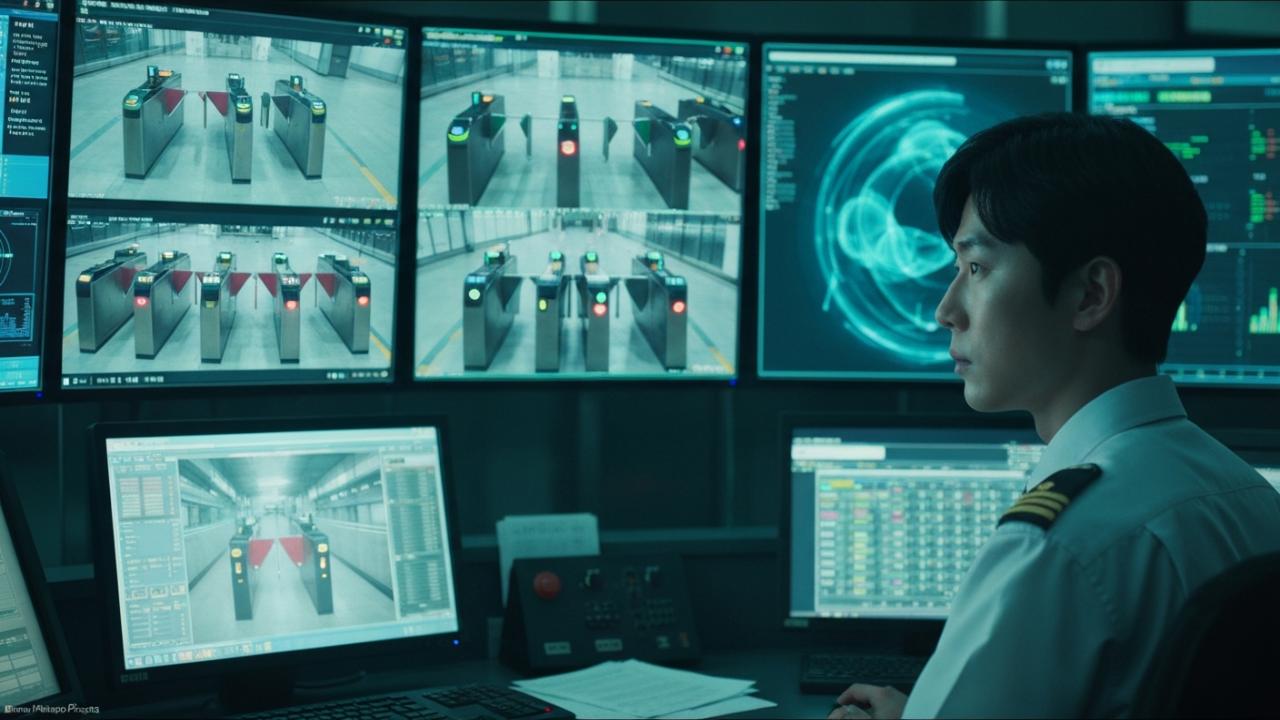
In the past, fare evasion enforcement primarily relied on visual checks by station staff or random inspections. However, times have changed. Railway operators, including Seoul Metro, are enhancing their enforcement systems using big data and smart CCTV. If a specific discount card is repeatedly used during weekday rush hours, or if abnormal turnstile usage patterns are detected at a particular station, it immediately leads to monitoring and on-site enforcement.
- 30x Fare Surcharge: If caught for fare evasion, a surcharge equivalent to 30 times the fare for the relevant section must be paid.
- Retroactive Application and Legal Action: If past fare evasion records are confirmed, surcharges may be added retroactively, and refusal to pay can lead to criminal charges, civil lawsuits, and even compulsory execution.
- Real-life Cases: There are cases where a passenger who manually operated a turnstile 33 times to pass without payment at Dongnimmun Station paid 1.53 million won, and a man in his 20s who used his grandmother’s card at Yeoksam Station paid 3 million won in surcharges.
This enhanced enforcement is leading to an increase in actual detection rates. The number of fare evasion cases detected on Korea Railroad Corporation (Korail)’s metropolitan subway also increased by 60% after the introduction of big data enforcement. Now, there is no place for fare evasion to hide. It is important to remember that actions committed for momentary gain will ultimately result in a greater cost.
Public transportation belongs to everyone. Paying the fair fare is a promise and a responsibility. We hope that individuals recognize that fare evasion is an act that harms public order beyond personal conscience, and that a proper public transportation usage culture becomes established.