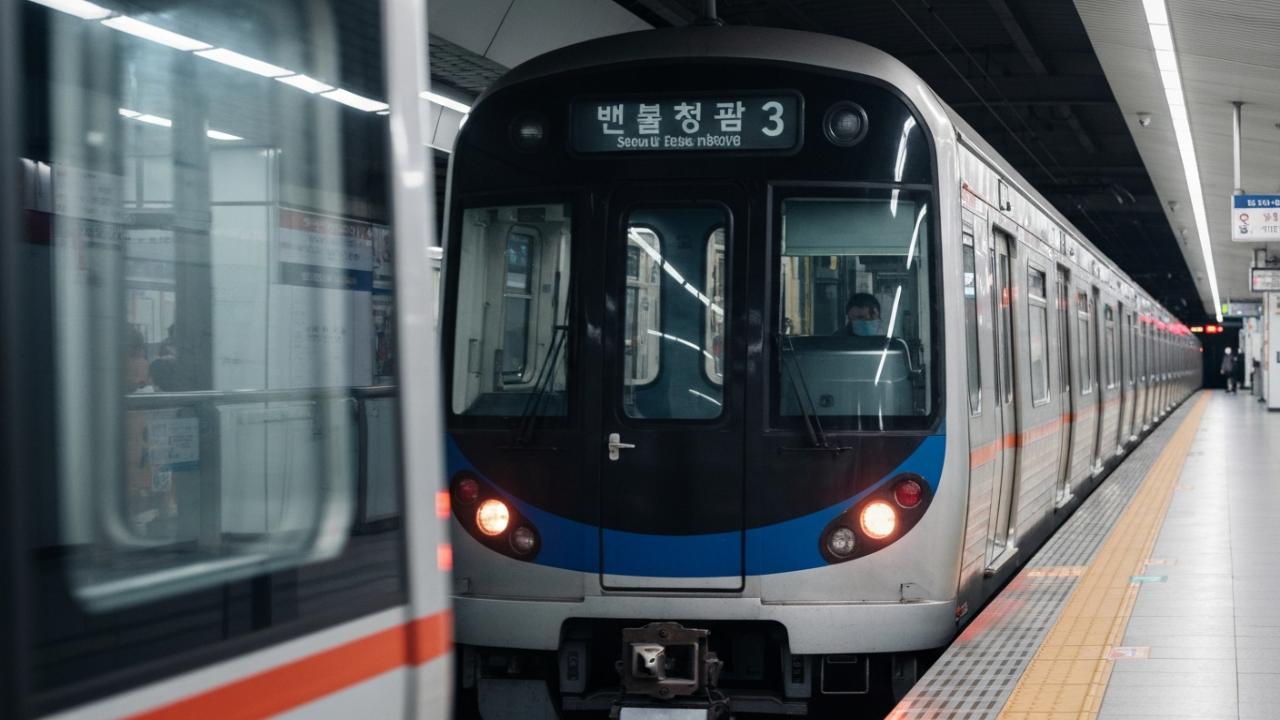
The subway, which serves as the lifeline for Seoul citizens, especially Seoul Subway Line 3, which traverses the northwest and southeast of Seoul, has always been a part of our daily lives. Recently, however, an exciting wind of change is blowing through Line 3. News reports indicate that beyond simple passenger transport, it is now preparing for a future where it will even carry packages. How far will our subway evolve? We take a sharp look at the present and future of Line 3, which stands at the center of this transformation.
At the same time, the perception of subway safety has also changed significantly. The endless news of accidents that once plagued the subway is now a thing of the past. What secret lies behind this astonishing change? We delve into the hidden efforts of the subway, which goes beyond mere convenience to ensure the safety of its citizens.
Seoul Subway Line 3: Now Carrying Packages?
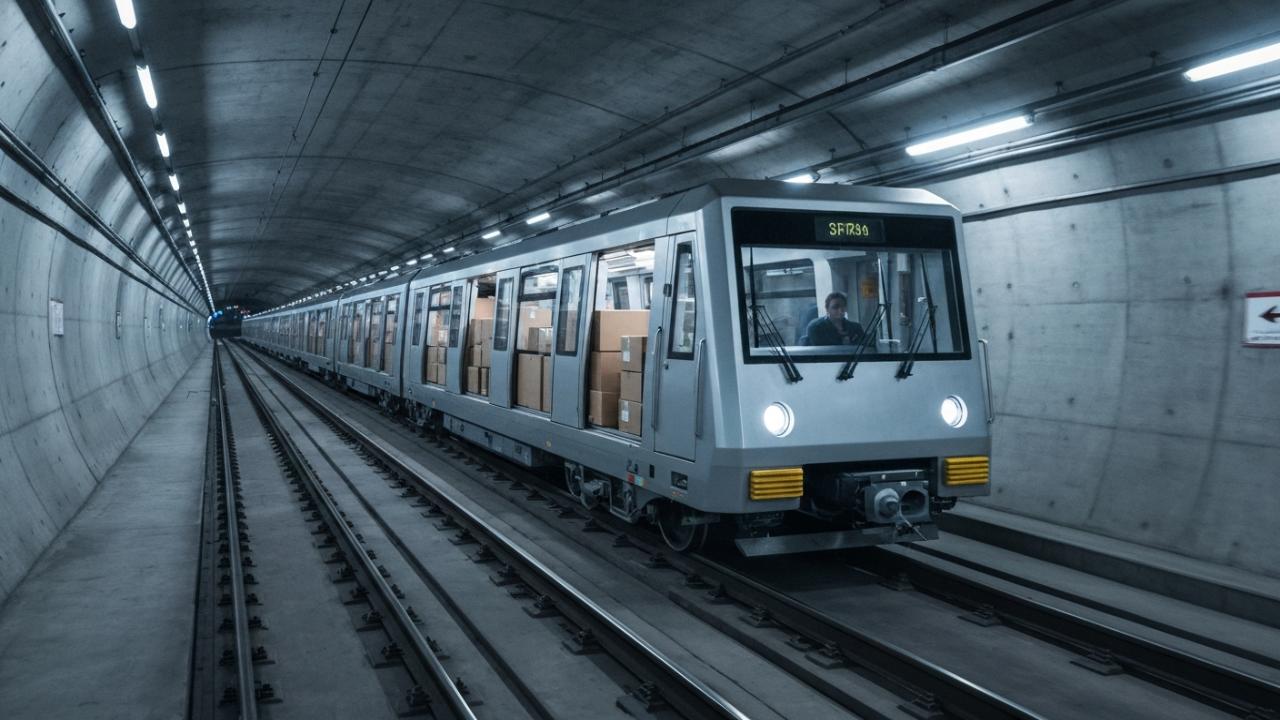
Seoul Subway Line 3 is emerging as an outpost for logistics innovation. According to reports on April 25, 2026, a pilot project to transport parcel items using the underground sections of Line 3 is underway. This is part of a national R&D project aimed at solving surface traffic congestion and maximizing the utilization of underground space. If successfully implemented, the subway we use every day will also serve as a parcel delivery truck.
- Increased logistics transportation efficiency: Can contribute to reducing surface traffic and shortening delivery times.
- Maximized utilization of underground space: A model that creates new value by utilizing existing infrastructure.
- Temporary logistics warehouse at Suseo Station: A temporary warehouse for storing parcel volumes is planned to be installed at Suseo Station.
Of course, there are many challenges to overcome, such as train dispatch interval issues, but the attempt itself is fresh in that the subway can become a new alternative for urban logistics, beyond simply carrying people. Perhaps the day will come soon when you find your package on Line 3. Isn’t that exciting just to think about?
The Secret to the ‘Zero Accident’ Myth: The Power of Platform Screen Doors
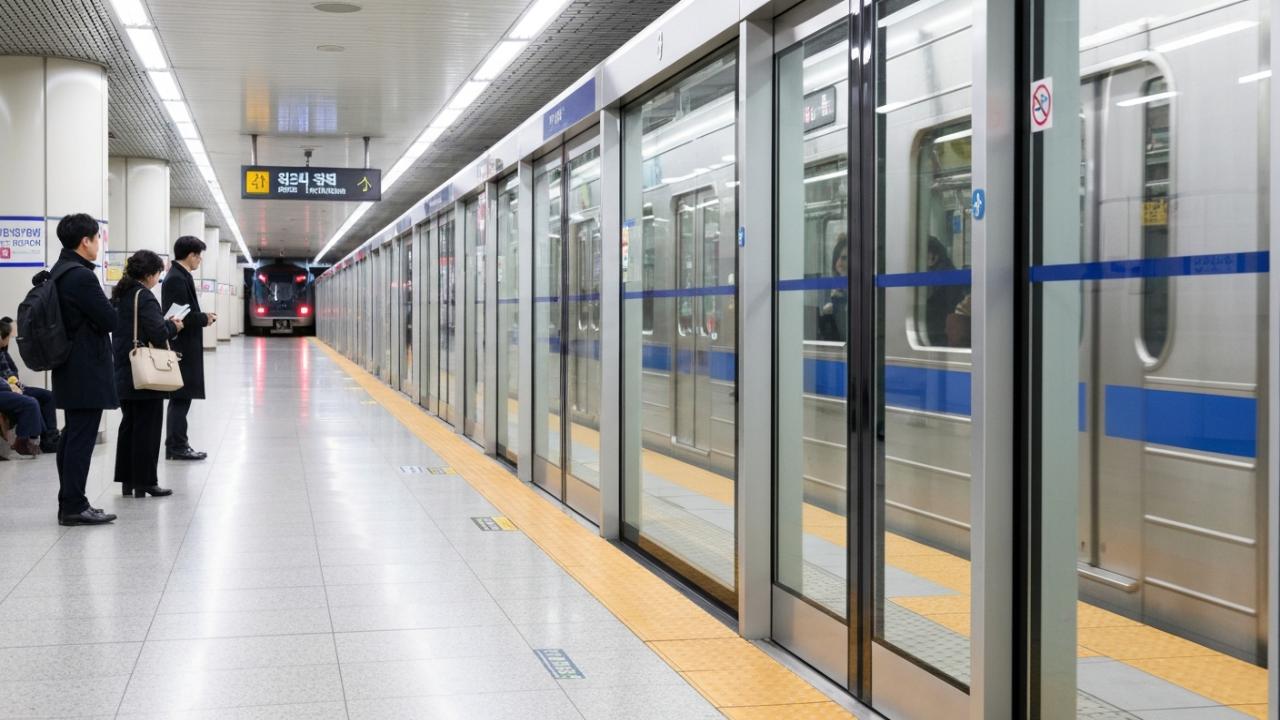
Once, the Seoul subway was a place where large and small safety accidents were constant. However, the situation has completely changed. According to statistics released by the Seoul Metropolitan Government, the Seoul subway achieved a remarkable record of ‘zero’ fatalities for three consecutive years from 2023 to 2025. At the heart of this astonishing change are platform screen doors (PSDs). With the completion of PSD installation at all stations on Lines 1-8 in 2009, human casualties such as falls onto the tracks and contact with trains sharply decreased.
- Zero casualties: The average annual number of fatalities, which was 37.1 before PSD installation, sharply decreased to 0.4 after installation, and there have been no fatalities in the last three years.
- Improved air quality: Blocked the inflow of fine dust generated when trains enter, improving platform air quality by about 20%.
- Noise reduction and increased cooling efficiency: Reduced noise by about 7.9% and prevented air inflow through tunnels, resulting in a 30% reduction in cooling power costs.
Seoul Mayor Oh Se-hoon’s strong push for installation at all stations, stating that ‘99% installation is like 0%’, was based on such a firm philosophy. As a result, platform screen doors have played a triple role, not only ensuring citizen safety but also increasing subway operational efficiency.
The Present and Future of Line 3: Continuous Attempts at Change
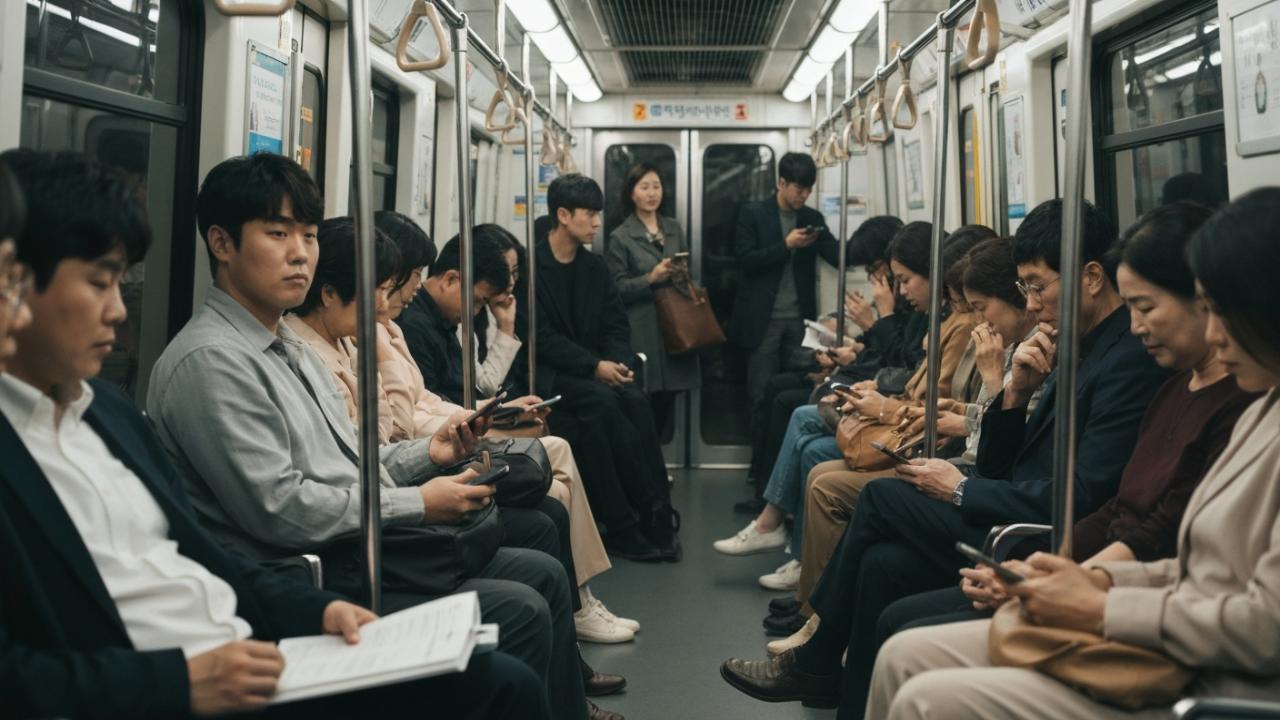
Seoul Subway Line 3 is constantly evolving beyond a simple means of transportation. Recently, there was an incident where smoke occurred at a track switch near Ogeum Station, temporarily suspending train operations, but this served as an opportunity to once again remind us of the need to strengthen overall system safety. Line 3 is a crucial line that penetrates the heart of Seoul, connecting Gangnam and Gangbuk, and as much as its role, there is great interest and expectation in its operation.
- Stable operation: Maintaining stable operation without frequent accidents is paramount.
- Line extension and expansion: Continuously expanding the line, such as the Suseo-Ogeum section extension, to enhance citizen convenience.
- Integration of smart technology: Attempts to integrate new technologies, such as the logistics transportation pilot project, will not stop.
As such, Seoul Subway Line 3 is solving current challenges and preparing for the future based on its past legacy. From logistics innovation through parcel transportation to the establishment of a near-perfect safety system, it will certainly be interesting to see what other changes Line 3 will show us in the future.