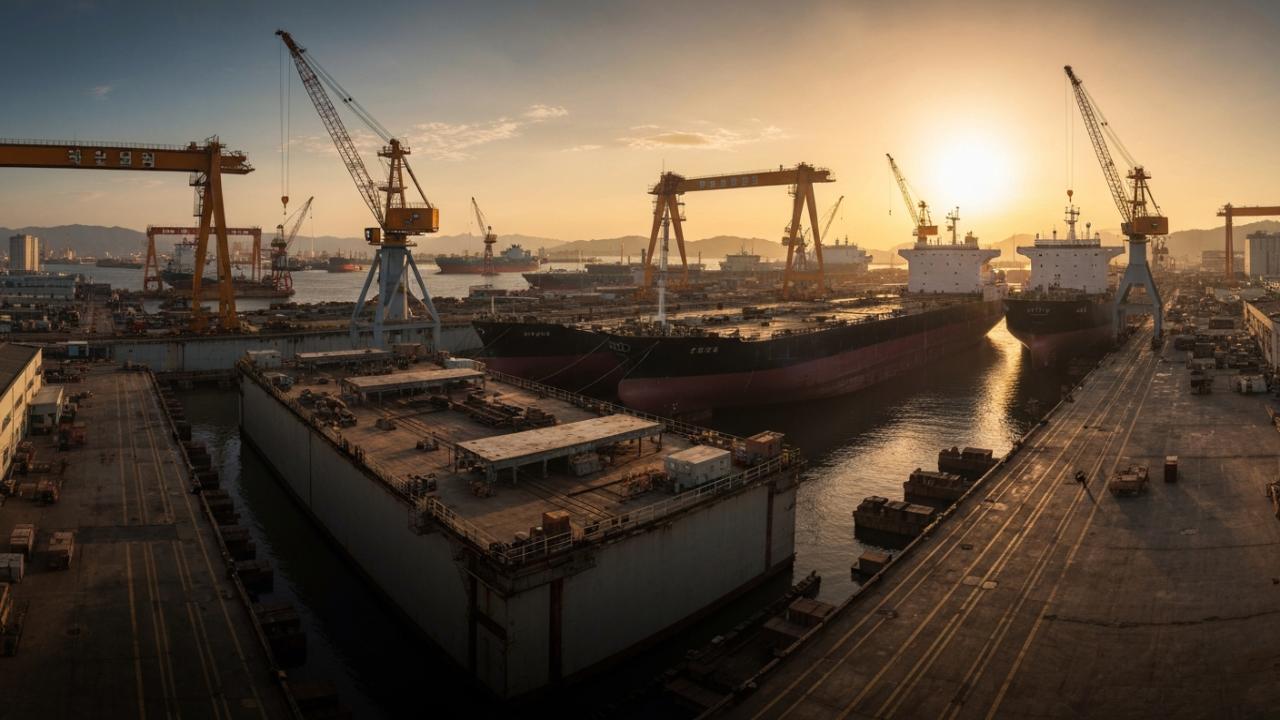
As of 2026, Korean shipyards appear to have made a spectacular comeback, hitting a ‘jackpot’ in new orders. South Korea’s big three shipbuilders – HD Hyundai Heavy Industries, Samsung Heavy Industries, and Hanwha Ocean – have reportedly achieved their annual order targets early, primarily for LNG carriers and container ships, with order backlogs approaching record highs. However, behind these dazzling achievements, weighty challenges cast a shadow. To move beyond a mere boom and achieve sustainable growth, we must clearly face reality.
K-Shipbuilding Order Boom: Its Light and Shadow
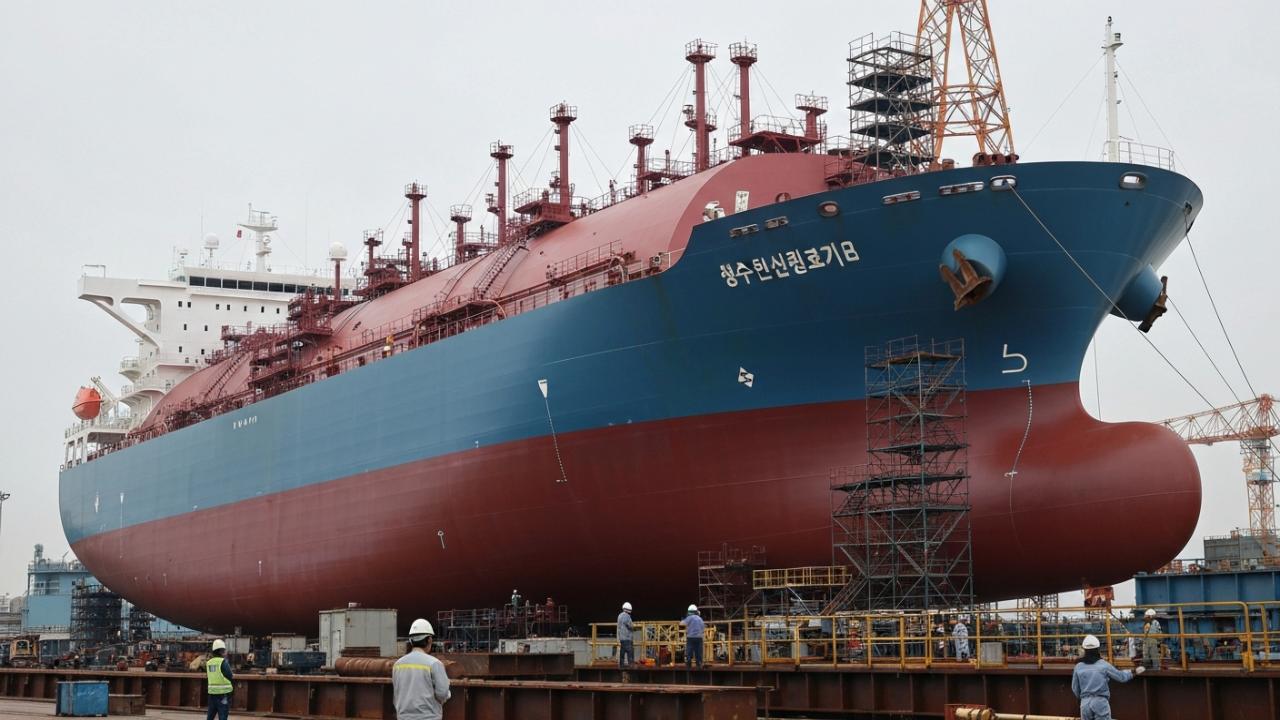
The domestic shipbuilding industry is once again leading the global market by focusing on high-value-added vessels. Orders for LNG carriers, in particular, continue to pour in despite their high price, exceeding $260 million per vessel. Visible results are also being achieved in eco-friendly container ships and special vessels. HD Hyundai Heavy Industries proved its technological prowess by securing the first overseas order for an icebreaking vessel in Korea, and HD Hyundai is expanding the reach of K-shipbuilding by establishing a joint venture shipyard in India.
However, despite this boom, several structural problems are simultaneously emerging on the ground.
- Deepening Labor Shortage: There is a severe shortage of personnel to handle the increasing workload. Production sites are always operating at full capacity, but securing skilled labor remains a distant challenge.
- Rising Raw Material Price Pressure: The price of heavy plates, a key material for shipbuilding, continues to rise, increasing cost burdens.
- Fierce Pursuit by Chinese Shipyards: Chinese shipyards are aggressively chasing the Korean shipbuilding industry with mass production and price competitiveness.
This situation creates a complex sense of crisis, where a large number of orders alone cannot provide reassurance.
Endless Safety Accidents: Is it Really Due to ‘Ppalli-Ppalli’?
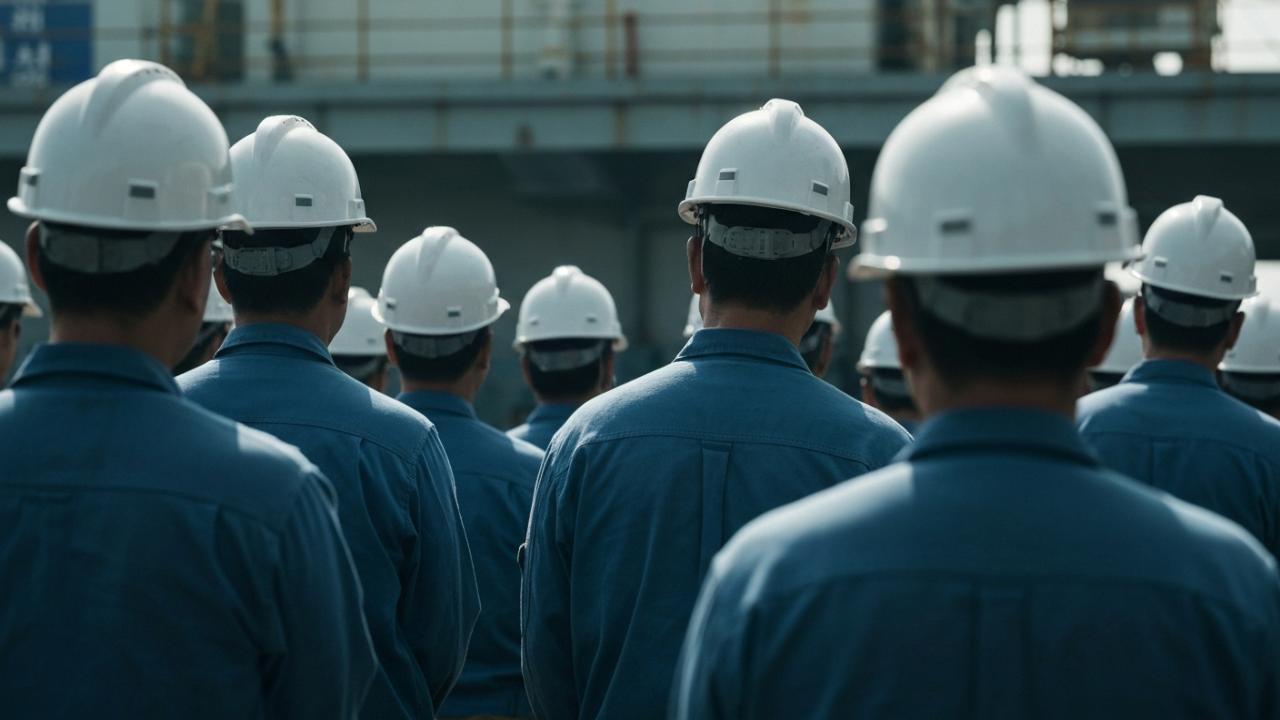
As order backlogs accumulate and production speeds increase, unfortunately, safety issues at shipyard sites are becoming more prominent. On April 9, 2026, a fire broke out in a submarine undergoing maintenance at HD Hyundai Heavy Industries’ Ulsan shipyard, resulting in one worker missing. Additionally, in late February and early March, a Cambodian worker died after being crushed by heavy equipment at Daehan Shipbuilding, and serious accidents also occurred repeatedly at Hanwha Ocean, raising concerns.
These accidents reveal structural problems that cannot simply be attributed to individual carelessness.
- Production-First Culture: In the midst of an order boom, there is a strong tendency to neglect basic safety management while accelerating work speed.
- Multi-layered Subcontracting Structure: Subcontractors and sub-subcontractors find it difficult to establish independent safety management systems, leading to a vicious cycle where subcontracted workers are pushed into dangerous tasks.
- Gap Between Safety Regulations and Reality: There are also criticisms that the Industrial Safety and Health Act, based on the construction industry, does not fit the reality of the shipbuilding industry.
The accident rate for shipbuilding workers is about four times higher than the overall accident rate in Korea. It is truly time to break the tragedies caused by the ‘Ppalli-Ppalli’ (hurry-hurry) culture.
Shipyards: Beyond the Sea to Digital and the Future
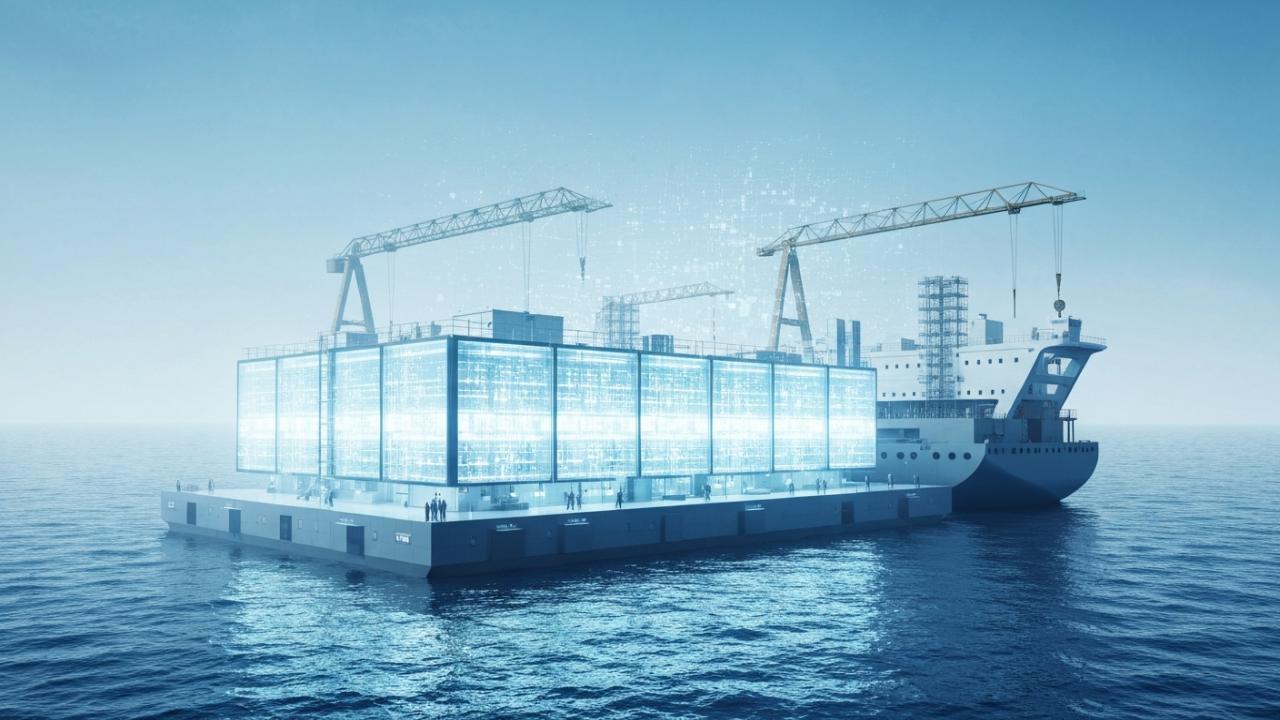
Even amidst crises, the Korean shipbuilding industry continues to innovate, seeking new avenues for growth. Samsung Heavy Industries is targeting the U.S. market with ‘Floating Data Centers (FDC),’ which have emerged as a key infrastructure for the artificial intelligence (AI) era. FDCs are data centers installed offshore, considered next-generation infrastructure that can simultaneously solve the problems of land scarcity, limited power supply, and cooling efficiency faced by land-based data centers.
This technological shift is an important attempt to overcome the limitations of traditional shipbuilding.
- Leading Eco-friendly Ship Technology: Propulsion technologies using eco-friendly fuels such as ammonia and methanol are rapidly entering the commercialization stage, and HD Hyundai Heavy Industries successfully built the world’s first ammonia-powered ship.
- Restructuring the Offshore Plant Market: The rally in orders for Floating Liquefied Natural Gas (FLNG) production facilities and the expansion of the offshore wind turbine installation vessel (WTIV) market are becoming new growth engines for the shipbuilding industry.
- Expanding Cooperation with the U.S.: In addition to focusing on high-value ship orders, cooperation with the U.S. in naval vessel maintenance, repair, and overhaul (MRO) is a crucial pillar for building a mid-to-long-term growth foundation.
Shipbuilding technology is now evolving beyond simply building ships to become a core driving force for future industries such as marine energy and digital infrastructure.
In 2026, the Korean shipbuilding industry is undoubtedly booming. However, underlying this are chronic safety issues, labor shortages, and the shadow of global competition. Solving these challenges and preempting the future through innovative technologies like floating data centers is truly an opportunity to demonstrate the true potential of K-shipbuilding.