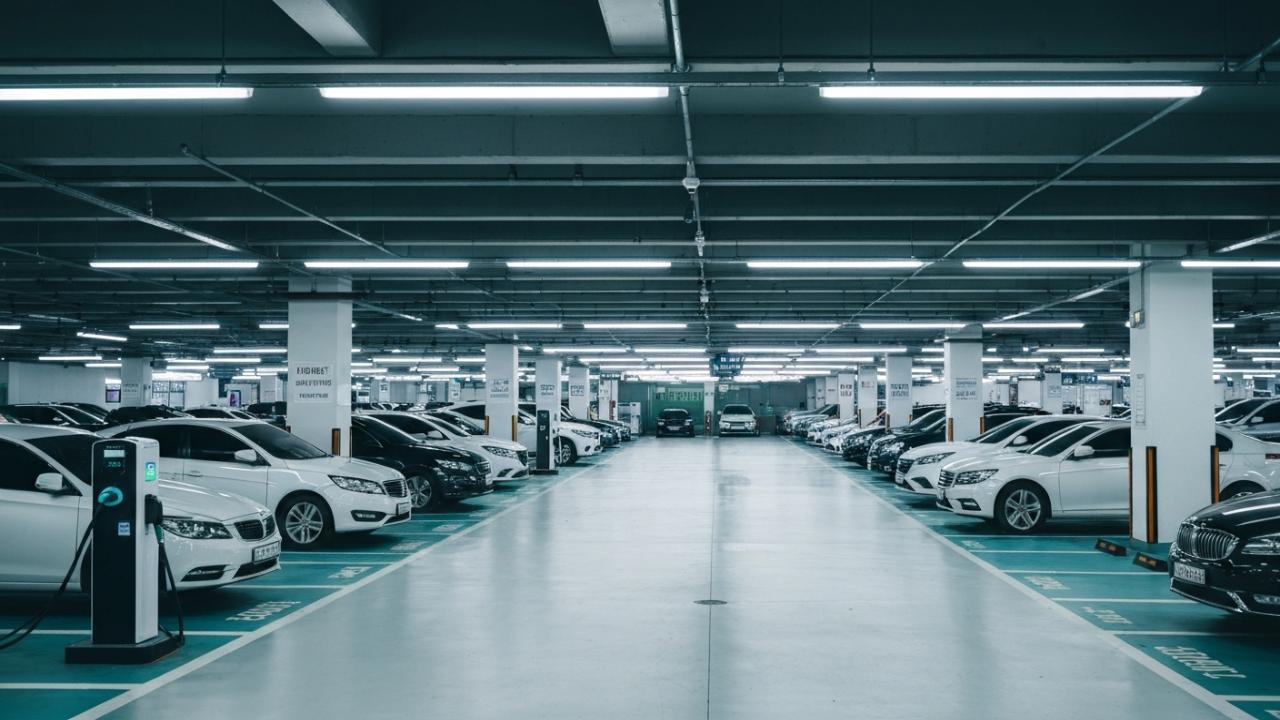
In South Korea, a country plagued by chronic parking shortages, parking lots are nothing short of a battlefield. Many people suffer from so-called ‘parking villains’ who habitually invade others’ parking spaces or block entrances. Problems that were previously difficult to legally sanction due to private property status are finally showing signs of resolution. Starting this August, with the revised Parking Lot Act coming into effect, these parking villains can face fines of up to 5 million won.
Frankly, we have high hopes for this amendment, as the situation has been frustrating for a long time. Many are watching to see if this powerful law can change the ingrained parking culture. It’s time to remember that inconsiderate parking behavior is no longer just bad manners but a subject of legal punishment.
‘Staking Out’ and Blocking Entrances: What Was the Problem?
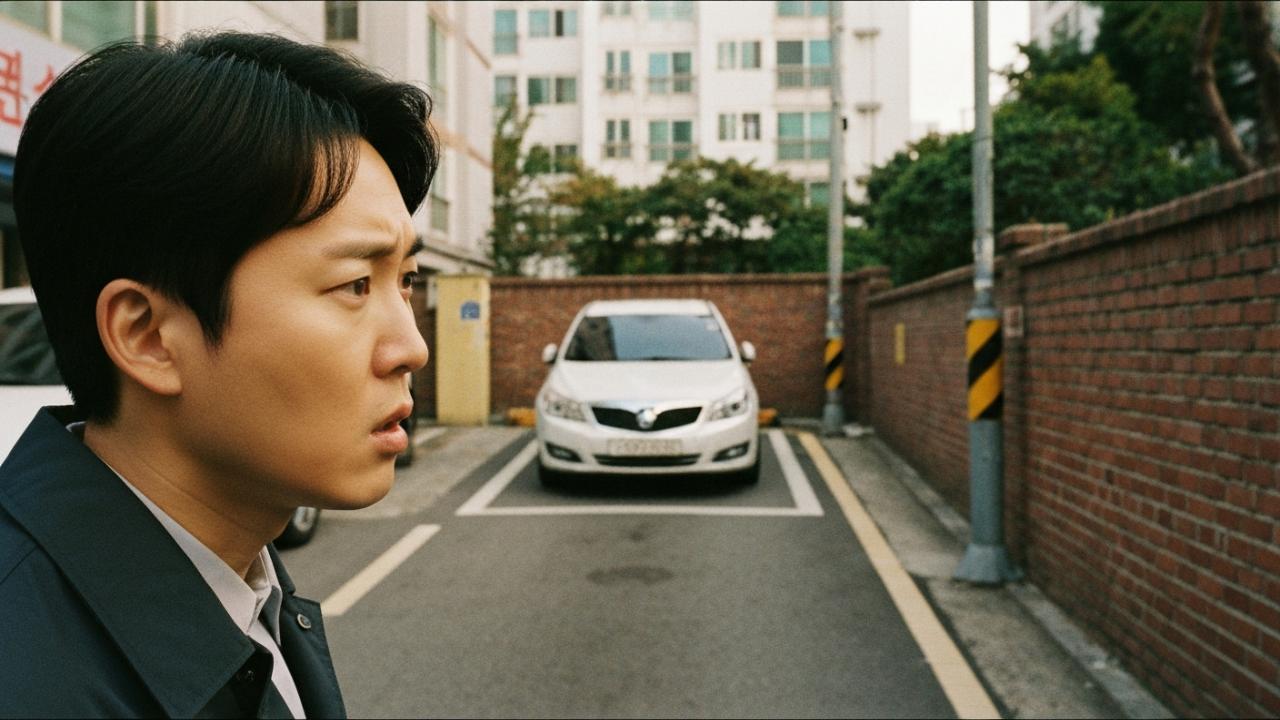
Blocking parking lot entrances or ‘staking out’ public parking lots for extended periods has consistently been pointed out as a problem. Apartment and commercial building parking lots were difficult to apply the Road Traffic Act to because they were private property, and in reality, there were no clear sanctions other than ‘parking tickets’. Blocking entrances in emergency situations can lead to even more serious problems. There was always a risk of casualties by preventing fire trucks or ambulances from entering during fires or medical emergencies. For these reasons, it caused not only public inconvenience but also safety issues, leading to continuous social controversy. Ultimately, the general consensus was that existing regulations made it difficult to effectively respond to such intentional and repeated parking obstruction.
Revised Parking Lot Act: Key Contents?

The core of this amendment to the Parking Lot Act is to significantly strengthen sanctions against parking obstruction. First, if a vehicle blocks the entrance to an apartment or commercial building parking lot, the manager can request the owner to move it. If the owner refuses, a fine of up to 5 million won and towing can be imposed. What was previously difficult for managers to handle directly has now been legally clarified. Furthermore, the criteria for long-term parking in free public parking lots will be strengthened. Previously, enforcement was carried out on an individual parking space basis, but in the future, it will be expanded to cover the entire parking lot. Therefore, tricks like moving vehicles to avoid enforcement for long-term parking will no longer work. If a vehicle is parked for more than one month without a legitimate reason, a fine of up to 1 million won will be imposed.
- Blocking Entrances: Up to 5 million won fine and towing if owner refuses manager’s request to move.
- Long-term Public Parking: Up to 1 million won fine for parking over 1 month, and enforcement strengthened based on ‘entire parking lot’.
Will Accident Risks Also Decrease? Connection to Safety Issues

Disorder and illegal parking in parking lots often lead to serious accidents beyond mere inconvenience. In February 2026, a terrifying accident occurred in Gwangju when a car driving on the road plunged into an apartment parking lot, hitting five parked vehicles. Also, in April of the same year, in Yeosu, a ready-mix concrete truck broke through a retaining wall and fell into an apartment parking lot, damaging eight vehicles in a major accident. As these accidents show, securing parking spaces and maintaining clear traffic flow are directly linked to the safety of both drivers and pedestrians. If parking lot entrances are always secured through this amendment, it will greatly help in securing golden time during fires or emergency rescue situations. Ultimately, eradicating parking villains is an important task connected not only to parking order but also to safety issues directly related to life.
This revision of the Parking Lot Act will undoubtedly serve as an opportunity to advance parking culture. We hope that the frustrating parking problems will be resolved to some extent. If mature parking awareness among citizens is combined with strengthened law enforcement, a safer and more pleasant parking environment can be created.