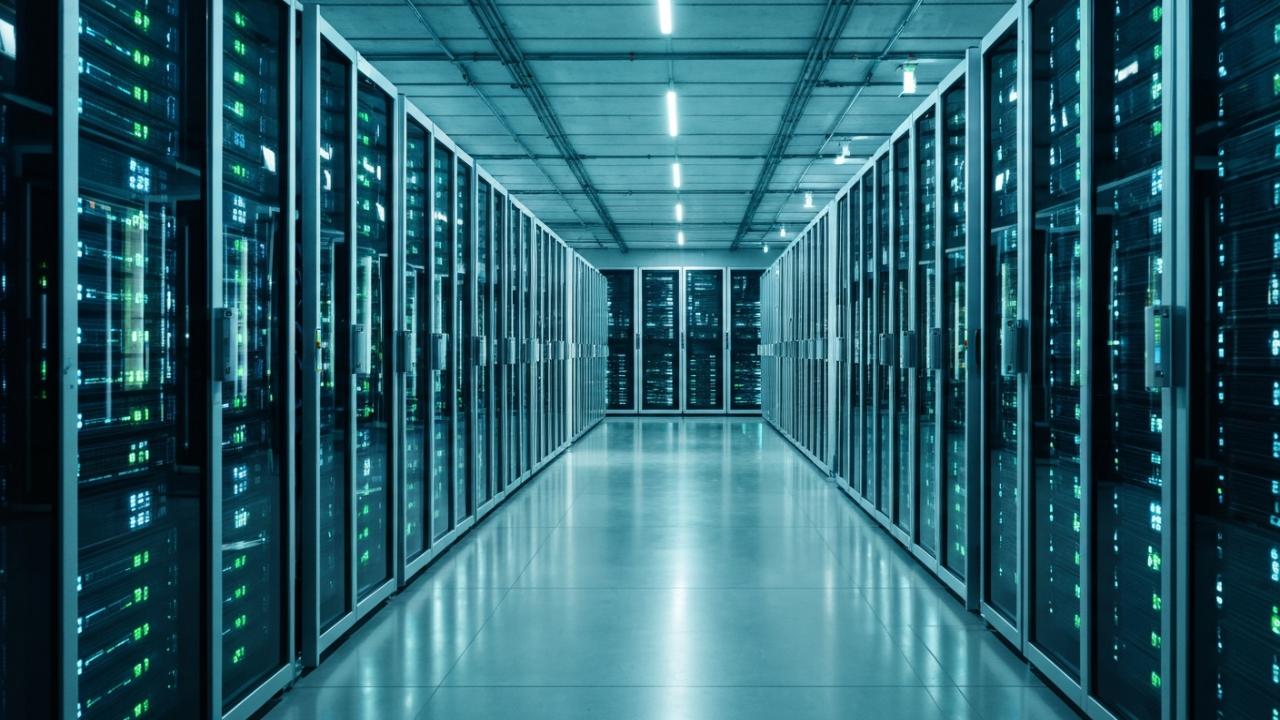
data center power crisis The world is currently swept up in an artificial intelligence (AI) craze. The core driving force behind AI technology development is the data center. However, the heart of this digital age has encountered an unexpected reef: a shortage of power and water. It’s not just about needing a lot of electricity; it’s an unprecedented situation where data center construction is ‘slamming on the brakes’ even in the birthplace of cutting-edge technology like Silicon Valley. This is not a mere coincidence. It’s a snapshot of the new reality facing the AI era.
As data centers are being labeled not just ‘power-hungry behemoths’ but also ‘major culprits of environmental problems,’ concerns about sustainability are deepening as much as the pace of technological development. How will this massive digital infrastructure navigate these challenges? Let’s delve into the real reasons and solutions now.
The AI Era: Data Centers Become Power-Hungry Behemoths
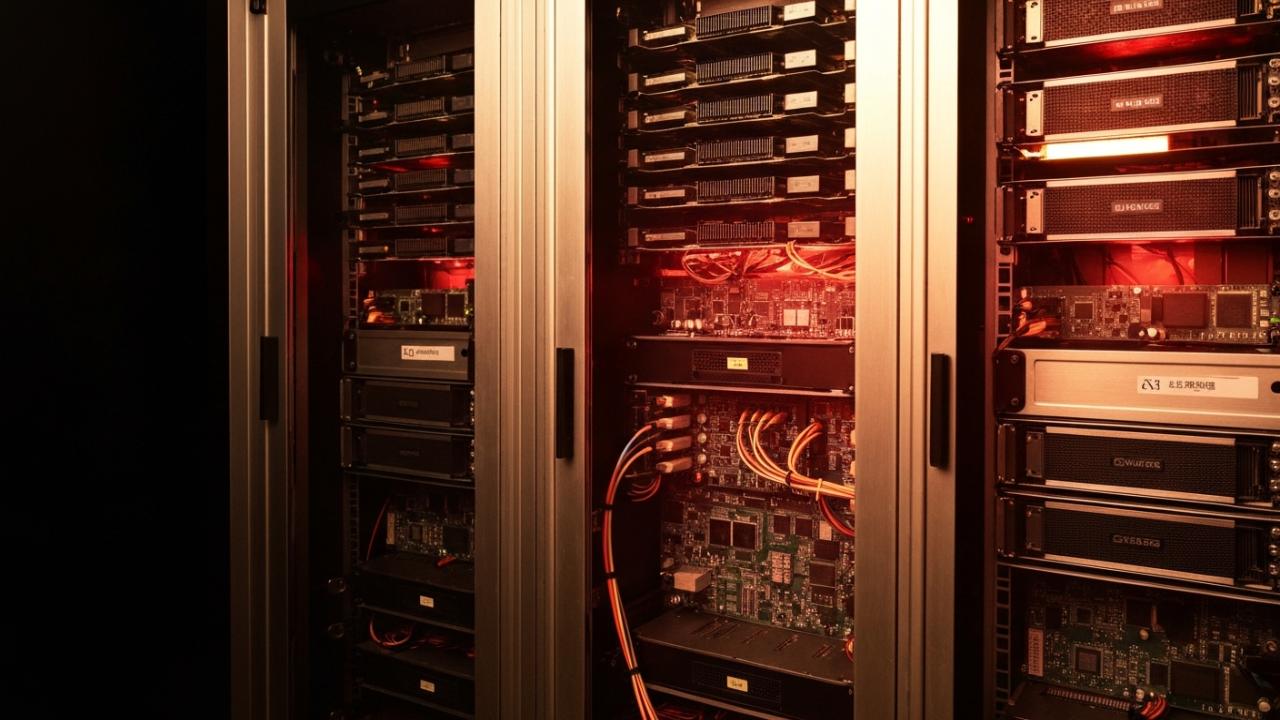
The explosive growth of the artificial intelligence industry has driven data center power consumption to unimaginable levels. As demand for large language models (LLMs) and generative AI training surges, the density and power consumption of GPUs and AI accelerators have become incomparable to the past. In such an environment, the heat density generated by a single server is also enormous. The proportion of total U.S. electricity consumption accounted for by data centers surged from 1.9% in 2018 to 4.4% in 2023, with projections indicating it could skyrocket to a staggering 12% by 2028.
The problem goes beyond simply high power consumption. AI data centers exhibit unusual power consumption patterns. This has led to analyses suggesting that the U.S. power grid might not be able to cope, potentially leading to large-scale blackouts. Indeed, ultra-large data centers like OpenAI’s ‘Stargate1’ are reportedly expected to consume over 1 gigawatt (GW) of power. Perhaps for this reason, power shortages are now identified as the biggest bottleneck in data center construction. The impact of this surge in power demand is as follows:
- Rapid increase in GPU and AI accelerator power consumption due to increased AI workloads
- Growing proportion of data center power consumption in total national electricity consumption
- Increased power grid instability due to abnormal power consumption patterns
- Potential for large-scale blackouts due to the construction of gigawatt (GW)-class data centers
Environmental Regulations and Public Opposition: An Unavoidable Reality
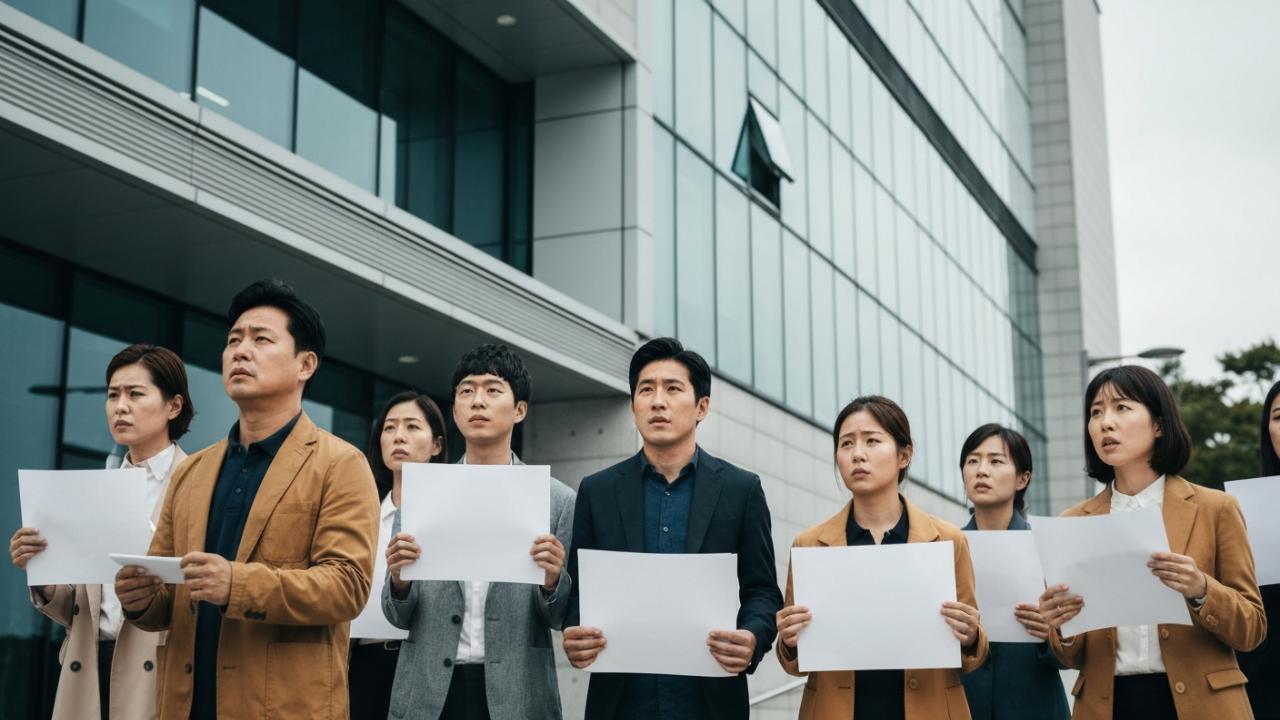
As the perception of data centers as ‘power-hungry behemoths’ spreads, local residents’ opposition and environmental regulations have become an unavoidable reality. Specifically, there have been cases in the Silicon Valley area where data center construction was abruptly halted due to power and water shortages. The Oakley City Council in California unanimously approved a 45-day moratorium on accepting and reviewing land use applications related to data centers, a measure that could be extended for up to two years. Strong public opposition to the massive electricity and water consumption caused by large-scale data centers is the background for this decision.
Across the U.S., at least 48 data center projects were reportedly halted or delayed in 2025 alone due to local public opposition. While data centers appear to be quiet buildings on the outside, they are, in reality, closer to industrial facilities that consume massive amounts of power and water. Some facilities use millions of liters of water per day. A power company official explained that when a single data center is built, the regional power demand structure itself changes. The main reasons for local residents’ opposition are as follows:
- Concerns about resource depletion due to massive electricity and water consumption
- Environmental debates over power grid expansion and new power generation facility construction
- Worsening shortages of agricultural and domestic water in drought-prone areas
- Controversy over massive tax incentives compared to the number of jobs provided
Technological Innovation and Challenges for Sustainability
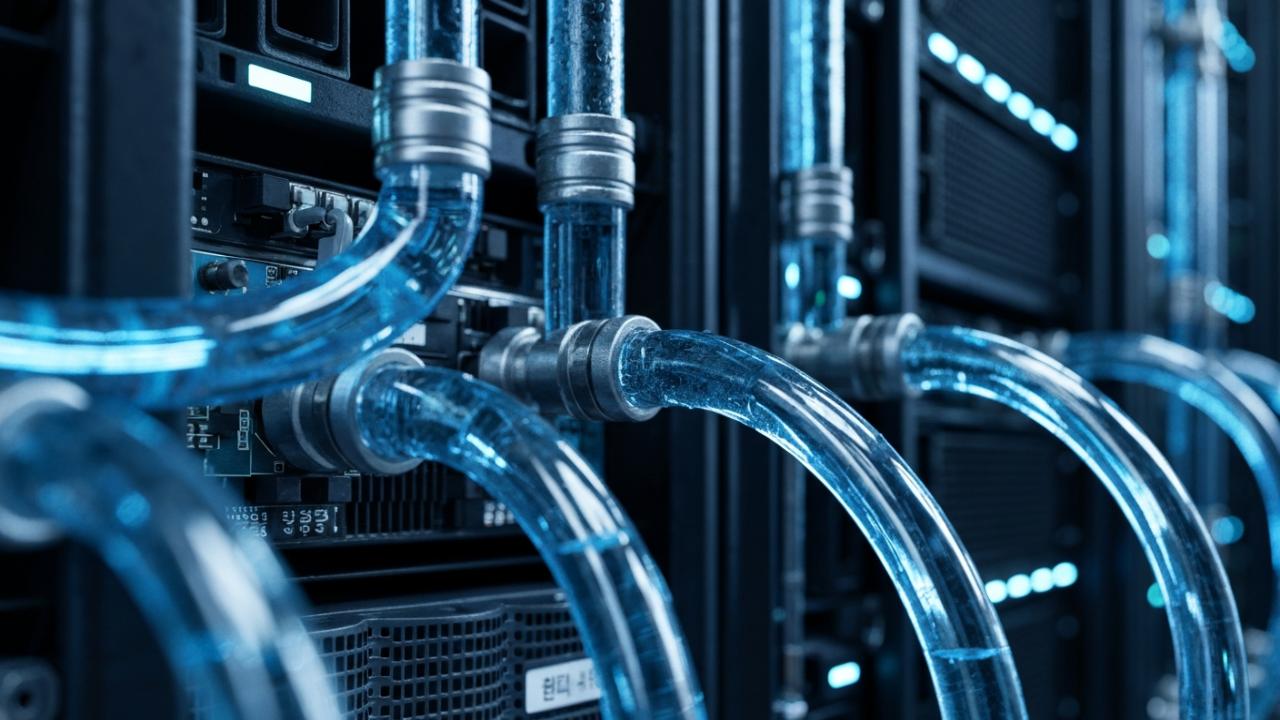
The power shortages and environmental problems surrounding data centers are ultimately challenges that must be solved through technological innovation. In particular, highly efficient and reliable thermal management strategies have emerged as key to responding to the ultra-high heat generation environment caused by increasing AI workloads. Beyond air cooling systems, the spread of liquid cooling is accelerating. The adoption of cold plate-based liquid cooling systems is rapidly increasing, especially for high-power GPU servers, and some large data centers are even implementing immersion cooling. Liquid is much more efficient at heat transfer than air, making it a more effective alternative in high power density environments.
Furthermore, as improving power usage effectiveness (PUE) becomes a critical task in data center operations, thermal design is also being approached from an energy-saving perspective. Beyond simply lowering temperatures, optimizing structural design to maintain maximum performance for the same power consumption is emerging as a key factor. The accelerating transition to ‘AI-native data centers’ is also noteworthy. All data center functions, from workload placement to cable diagnostics, will be AI-assisted, and energy efficiency management and power cost negotiation are expected to be automated. These efforts are essential for increasing the sustainability of data centers.
- Expansion of liquid cooling technologies (e.g., liquid cooling, immersion cooling) to address high-density heat generation
- Transition to energy-efficiency-centric design to improve Power Usage Effectiveness (PUE)
- Energy efficiency management and optimization through AI-based autonomous operating systems
- Strengthening integrated thermal design at the system level and applying thermal simulations
Data centers are essential infrastructure for our era. While facing the enormous challenges of power shortages and environmental issues, efforts for technological innovation and sustainable operation will continue. Ultimately, evolving into more efficient and eco-friendly data centers by turning this crisis into an opportunity is the path we must take.