
Honestly, don’t you often feel frustrated watching the news these days? Especially when it comes to law and criminal punishment. We constantly hear talk of “slap on the wrist punishments” or “severe punishment is needed,” but in reality, there are quite a few arguments that our punishment system is not so lenient. However, yesterday (April 14, 2026), President Lee Jae-myung made a shocking statement at a cabinet meeting: “Criminal punishment is being overused to the point where the principle of ‘no crime without law’ has virtually collapsed,” and “South Korea will likely have the most criminal records in the world.” Wow, I wondered what this meant. What is the true hidden meaning behind the President’s remarks?
Currently, there is a high demand for severe punishment for violent crimes in Korea, but at the same time, concerns about excessive punishment are consistently raised. The President’s resolute remarks in this situation are interpreted as a message that goes beyond simply improving one or two systems, calling for a re-examination of our society’s entire judicial system. Let’s delve deeper into its meaning together now.
“Abuse of Punishment? Our People Have the Most Criminal Records?” Background of the President’s Remarks
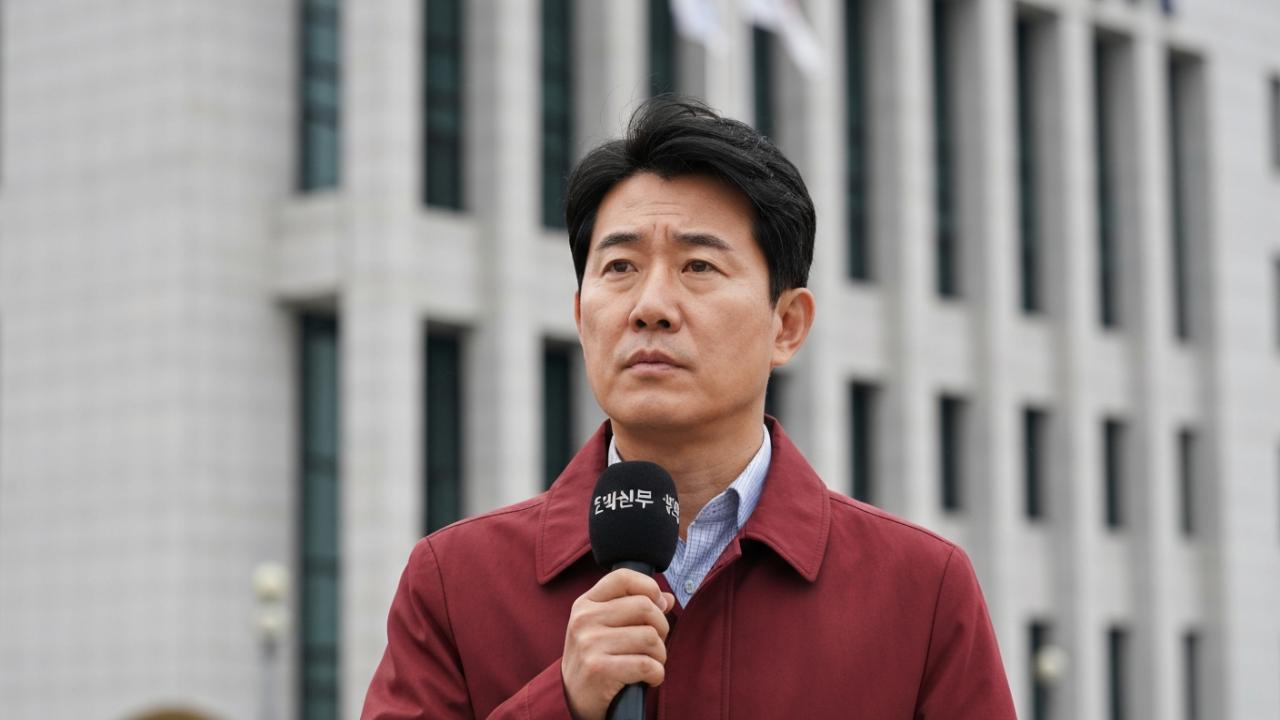
President Lee Jae-myung brought up this issue at a cabinet meeting while receiving a report on ‘Plans to Rationalize Punishment’ from the Ministry of Justice and the Ministry of Economy and Finance. The President’s core criticism is this: by making everything from morally reprehensible acts, disciplinary matters, to civil liability for damages subject to criminal punishment, the power of investigative agencies like the prosecution has become excessively bloated, and even judicial power is being used for political purposes.
This is the background to the President’s expressions of “collapse of the principle of ‘no crime without law’” and “nation of top criminal records.” There were also criticisms that as regulations are ambiguous and broadly interpreted, society is becoming ‘without standards,’ where citizens cannot predict which actions will be punished. In fact, such issues have been consistently raised, but the President’s direct and strong mention of them carries a different meaning. In particular, the mention of criticism regarding ‘prosecutorial state-ization’ was quite strong.
5 Million Won Fine Becomes 50 Million Won Surcharge? The Two Faces of Strengthening Economic Sanctions
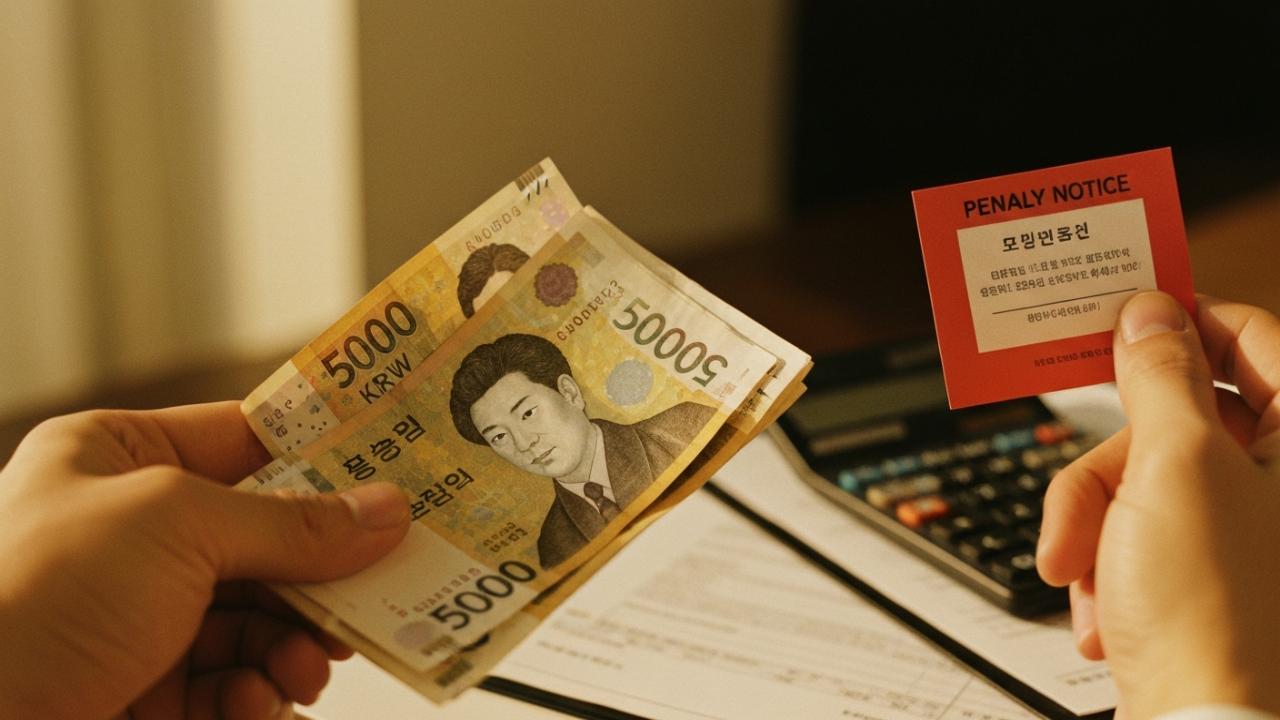
The President questioned the effectiveness of current criminal punishments, especially fines, and emphasized the importance of ‘economic sanctions.’ He suggested that in this day and age, strong economic sanctions like administrative fines or surcharges might be more effective than criminal penalties like fines. For example, he even said that if a 5 million won fine were changed to an administrative fine, the amount would have to be increased significantly to 50 million won or 100 million won to have a deterrent effect.
- Advantages: It can enhance crime prevention. Strong economic sanctions can be particularly effective for crimes motivated by economic gain. It can also help reduce prison overcrowding and facilitate the social reintegration of offenders. Since it is handled through administrative procedures, it also has the advantage of reducing the waste of judicial resources.
- Disadvantages: Inequality based on economic power can worsen. The same amount of fine or administrative fine might be trivial for the wealthy, but devastating for ordinary citizens. Excessive economic sanctions could potentially infringe on citizens’ fundamental rights or foster the perception that ‘money can wash away sins.’ There is also a clear concern that the meaning of ‘retribution’ or ‘social condemnation’ inherent in punishment could fade.
Honestly, I agree that economic sanctions could be effective. But am I the only one worried that it might become a system that only benefits the rich?
Crisis of the Principle of ‘No Crime Without Law’? Time to Reconsider the Essence of the Punishment System

I believe the President’s remarks ultimately pose a fundamental question about whether our society’s punishment system is properly fulfilling its original purpose. The purpose of punishment goes beyond simply ‘retribution’ for punishing criminals; it also includes ‘general prevention’ to raise awareness among community members, and ‘special prevention’ to help criminals return to society. However, if criminal punishment is overused as it is now, these essential purposes can become blurred.
- Main purposes of punishment:
- Retribution: Ensuring that one pays a just price for the crime committed.
- General Prevention: Warning others not to commit the same crime.
- Special Prevention (Rehabilitation and Resocialization): Educating and improving criminals so they do not commit crimes again.
- Incapacitation: Separating dangerous criminals from society to ensure safety.
Recently, discussions about the abolition of the death penalty and the introduction of alternative punishments are also growing louder. This also stems from deep contemplation about the essence and effectiveness of punishment. It seems to be a time when we need to put our heads together and consider not just raising or lowering the level of punishment, but what kind of sanctions are most effective and just for our society.
I hope that the President’s remarks will serve as an opportunity to end the era of excessive punishment and create a more rational and effective punishment system. I hope it doesn’t just end in political debate but leads to real change for the people. I hope everyone pays attention to this issue.