South Korea submarine When you hear news about submarines these days, doesn’t it just make you realize how incredible Korea’s maritime defense capabilities are? Especially in 2026, it seems like this year will definitely showcase the presence of Korean submarine technology in many ways. You can tell just by looking at the news from a few days ago. Honestly, I used to think defense news was a bit dry, but lately, there are so many exciting stories that I find myself looking them up.
In particular, submarines, often called ‘silent hunters of the deep sea,’ are themselves at the core of strategic assets. They play a crucial role in protecting national security from unseen places. Perhaps that’s why the recent news is truly ‘absolutely impressive.’ What stories are surprising us?
2026: South Korean Submarine Technology Becomes the ‘New Standard’
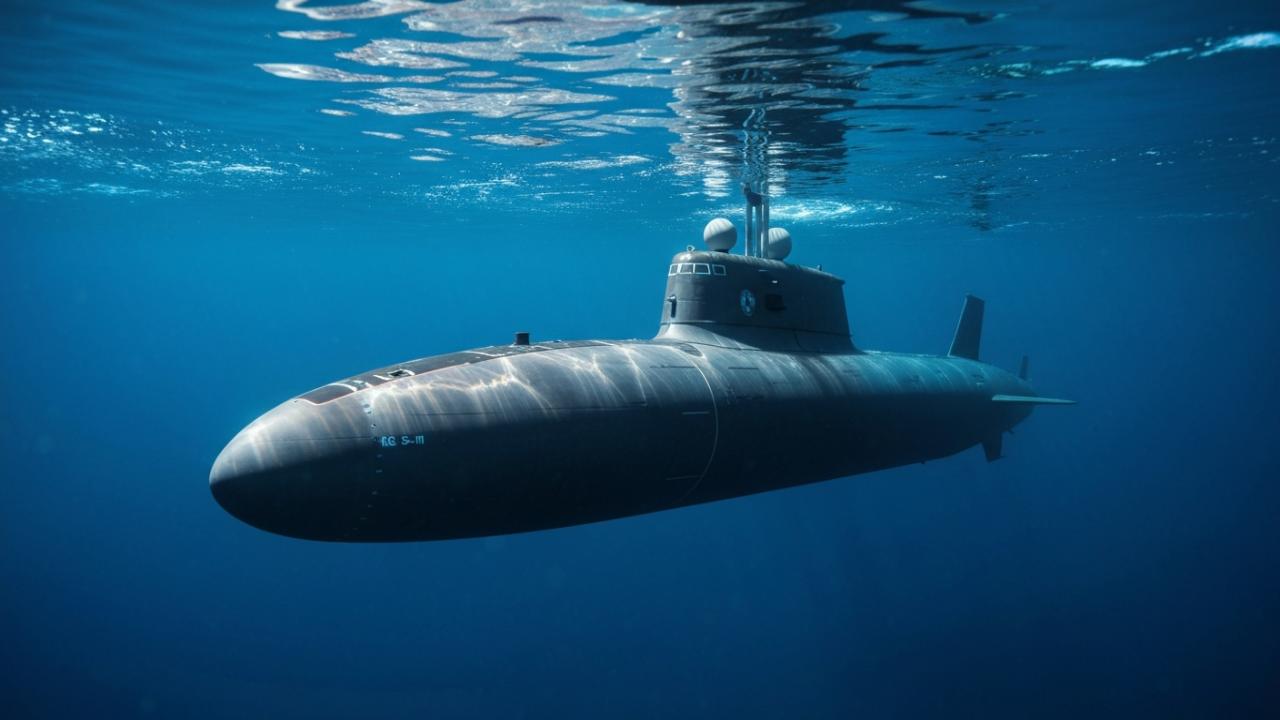
In 2026, it’s no exaggeration to say that South Korean submarine technology has already reached a world-class level. In particular, the Korean next-generation submarine, the KSS-III Batch-II (Jangbogo-III Batch-II class), can be seen as setting a new ‘standard’ in this field. By applying lithium-ion batteries, its underwater operational endurance and high-speed maneuvering time have significantly increased. The combat system and sonar system have also been improved, greatly enhancing target detection capabilities.
- Lithium-ion Battery Application: Replaced lead-acid batteries with lithium-ion batteries, significantly improving underwater operational endurance and high-speed maneuvering time.
- Enhanced Combat and Sonar Systems: Contributes to increasing the submarine’s survivability and operational capabilities, including target detection.
- SLBM Operation Capability: Can carry Submarine-Launched Ballistic Missiles (SLBMs), further strengthening strategic deterrence.
Furthermore, the first vessel of the KSS-III Batch-II, the ‘Jang Yeong-sil,’ was launched last October, and the second vessel is scheduled to be launched in the second half of this year, so expectations are naturally high. Recently, in March 2026, there was also news that the Dosan Ahn Chang-ho successfully completed its epic journey across the Pacific, the first in the history of South Korean submarines. I believe that by participating in joint exercises with Canada as well as RIMPAC exercises, our submarines have truly demonstrated their excellent technology to the world.
Korean Submarines on the Global Stage: Canada Bid Is ‘Absolutely Impressive’
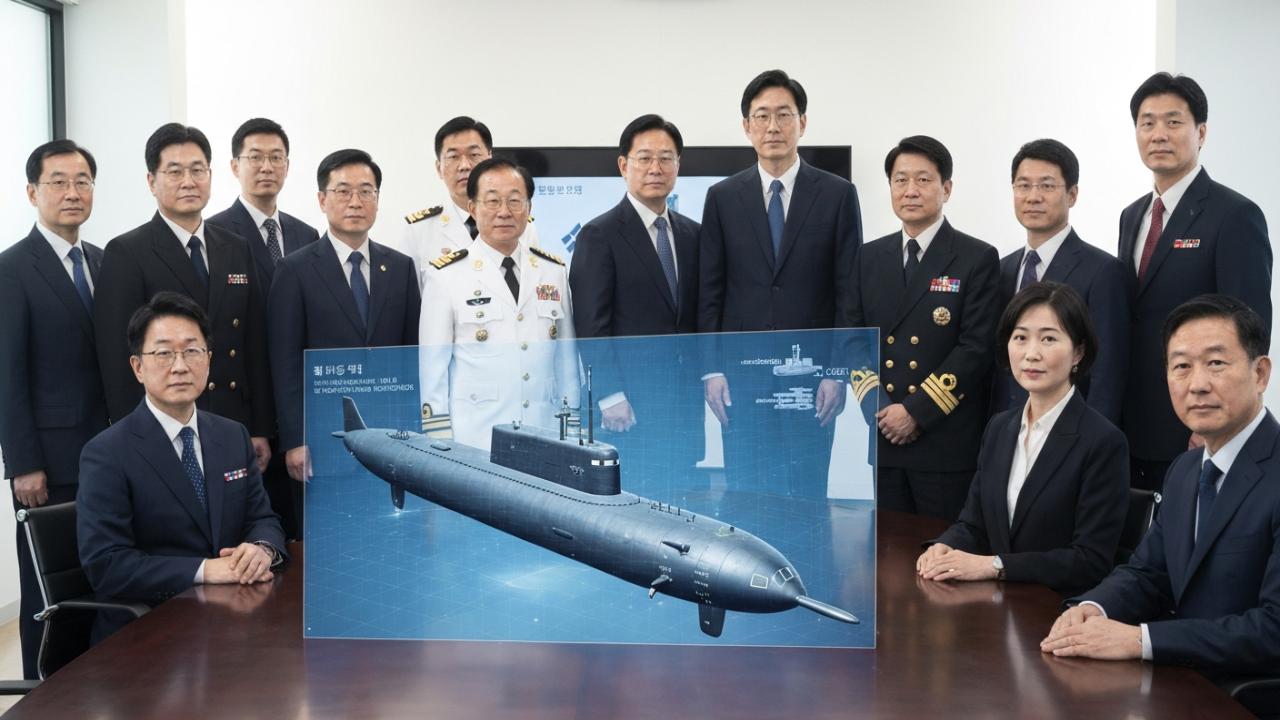
One of the hottest issues in the global defense market right now is Canada’s next-generation submarine acquisition project. With a total project cost of a whopping 60 trillion won, and up to 120 trillion won including the life cycle, it’s an enormous scale, and Korea’s Hanwha Ocean is competing with Germany’s TKMS. News recently broke on April 11th that the Canadian government gave both companies an opportunity to revise and supplement their bid proposals, which suggests that Hanwha Ocean’s KSS-III Batch-II has a good chance of winning, doesn’t it?
- Competitors: Hanwha Ocean of Korea (proposing KSS-III Batch-II) vs. TKMS of Germany (proposing Type 212CD)
- Key Requirements: The Canadian government emphasizes not only submarine performance but also manufacturing investment and industrial ripple effects as key conditions.
- Korea’s Strengths: Hanwha Ocean is proposing a ‘package deal’ that includes the construction of new submarines and the upgrade of the Greek Navy’s Type 214 submarines, emphasizing both technological prowess and economic ripple effects.
Honestly, from Canada’s perspective, while submarine performance is important, they will inevitably consider how much it can contribute to their domestic industry. Hanwha Ocean’s proposed KSS-III Batch-II is the latest submarine independently developed with domestic technology, so I think it’s a very attractive card. Given this situation, I have a feeling that the results of the Korean submarine bid in Canada will be truly ‘absolutely impressive.’ The preferred bidder is expected to be selected by the end of June, so we’ll have to wait with anticipation.
Game Changer in Future Naval Warfare: Unmanned Underwater Vehicles (UUVs)
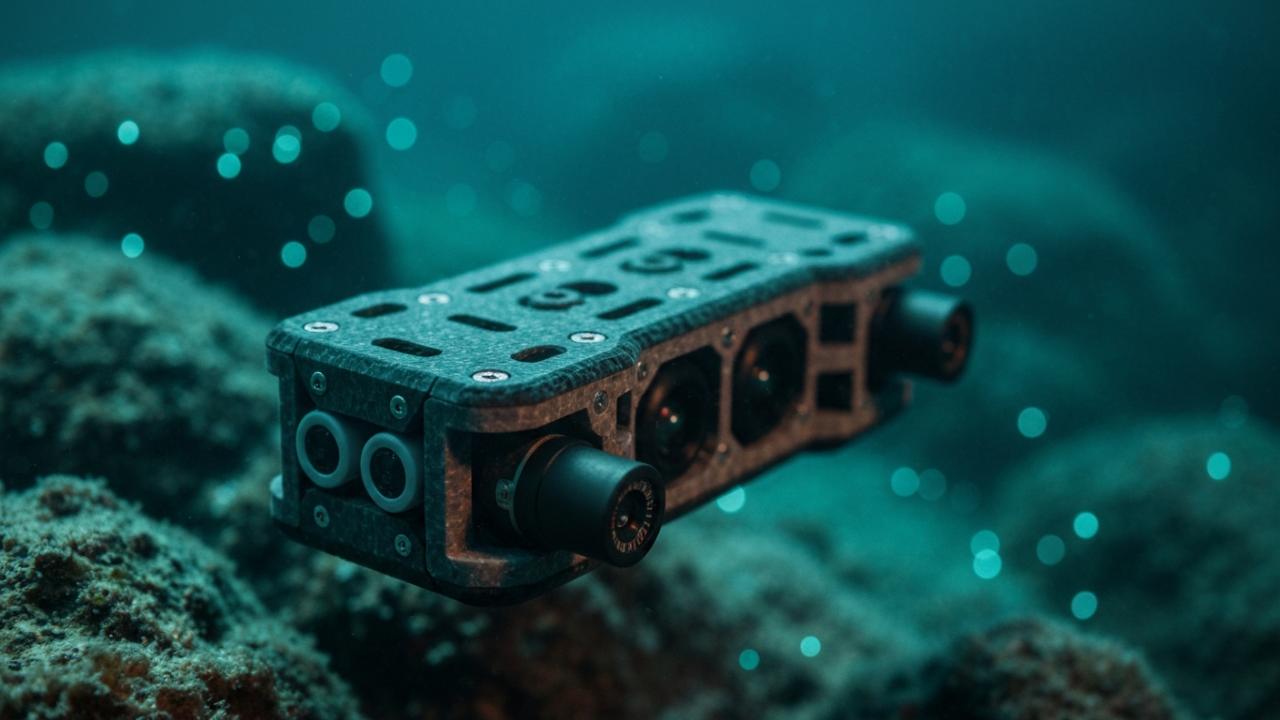
While the development of manned submarines is astonishing, another key player that will change the landscape of future naval warfare is the Unmanned Underwater Vehicle (UUV). In 2026, the UUV market continues to grow, and its role is becoming incredibly important, especially in military and coastal defense. With the integration of AI and machine learning technologies, the autonomy of UUVs has advanced dramatically, allowing them to perform various missions without human intervention.
- Key Technologies: Artificial intelligence (AI) and machine learning technologies maximize autonomy and operational efficiency.
- Market Growth: The UUV market size in 2026 is estimated to be approximately $48.002 billion, with the naval and coastal defense segment dominating with a 41.24% share.
- Diverse Missions: Complements or replaces existing manned missions such as underwater reconnaissance, mine detection and removal, and anti-submarine warfare.
From reconnaissance and intelligence gathering to mine detection and removal, and even anti-submarine warfare, the roles UUVs can play are endless. The fact that the U.S. Navy is allocating significant budgets to expand its autonomous underwater systems fleet shows how much UUVs will impact maritime security in the future. The future maritime battlefield, where UUVs work in synergy with existing submarines, will truly be more powerful than imagined.
In 2026, South Korean submarine technology is solidifying its position not only domestically but also on the international stage. The launch of the KSS-III Batch-II, the trans-Pacific journey of the Dosan Ahn Chang-ho, and the strong performance in the Canadian submarine bid – all of these seem to show a bright future for our maritime defense industry. I’m truly curious and excited to see what the underwater strategy created by submarines and UUVs together will look like in the future.