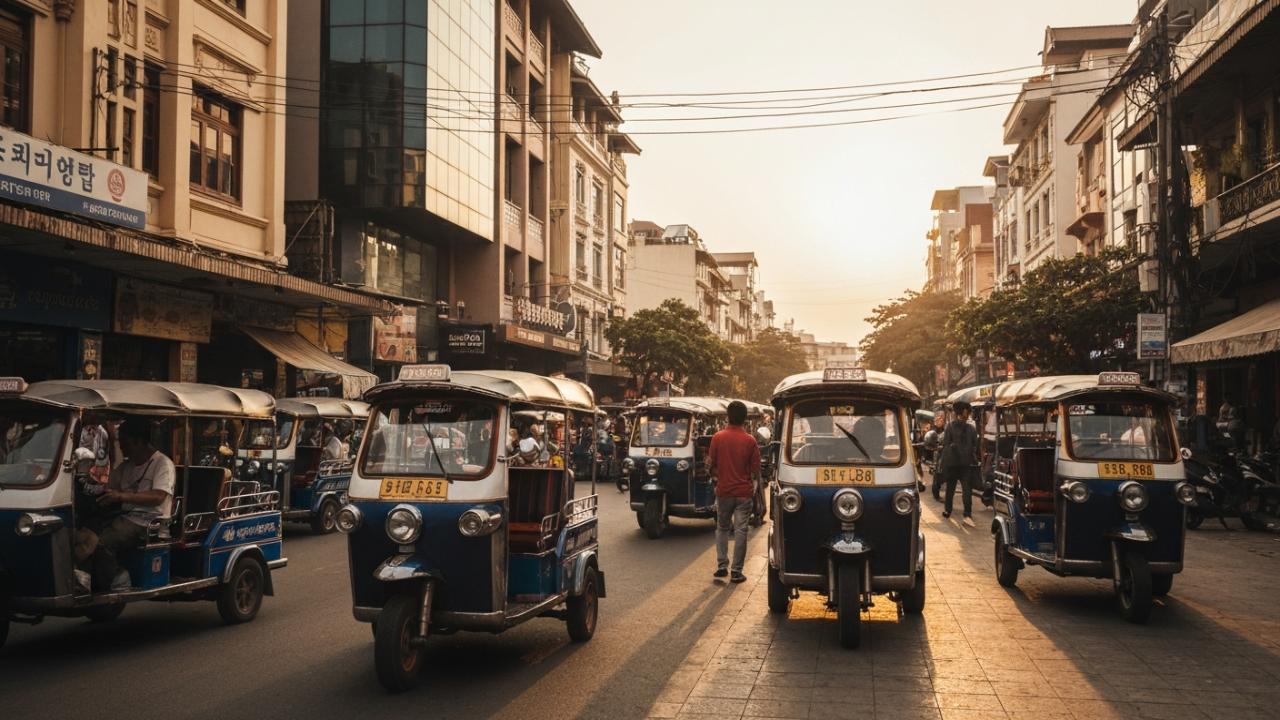
Cambodia, what’s the first thing that comes to mind? Many people probably think of ancient ruins like Angkor Wat. I used to, too. But lately, there’s been a buzz that Cambodia is undergoing significant changes. In fact, there are even predictions that by 2026, it will become one of the most 주목받는 nations in Southeast Asia. This isn’t just talk. From the economy to tourism, winds of change are blowing in various sectors.
Economic Growth and Industrial Diversification: A Land of New Opportunities
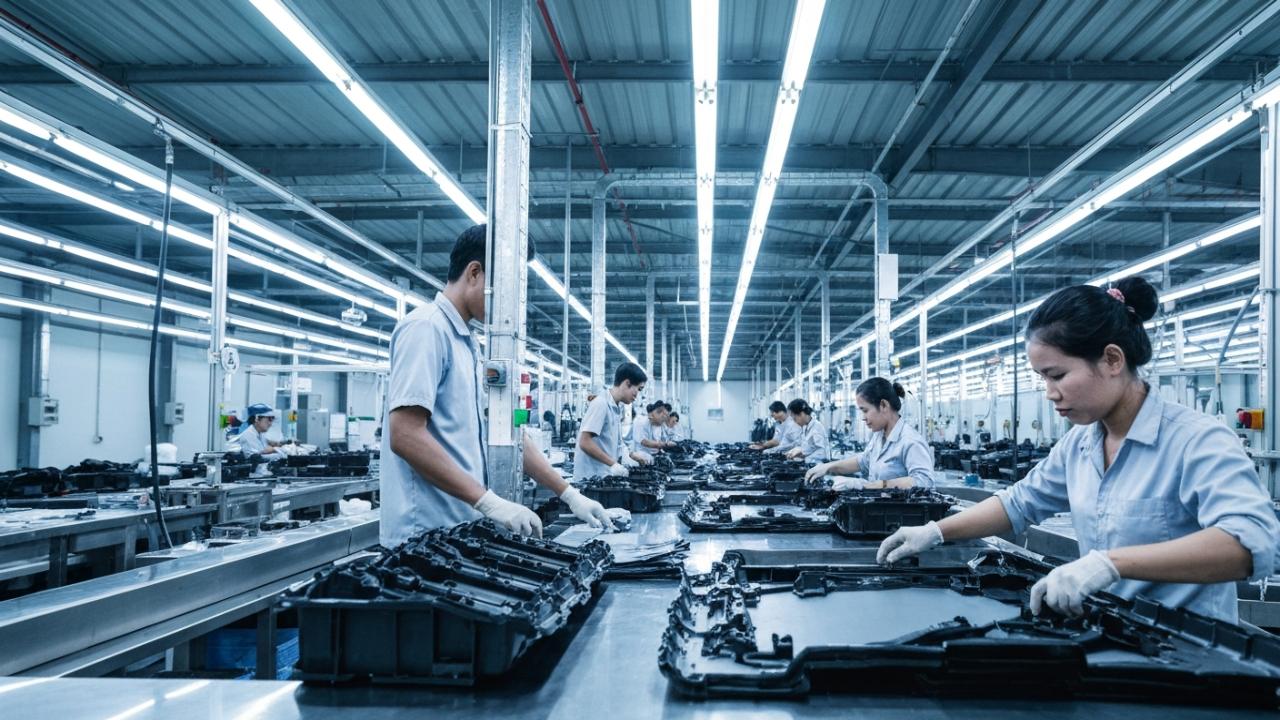
Honestly, when it comes to Cambodia’s economy, many still think agriculture dominates. And yes, agriculture remains important. But in recent years, manufacturing and services have grown tremendously. The key point is that not only light industries like apparel and footwear are developing, but also industries like electric vehicle parts and tires. The government is also strongly pushing for industrial diversification, increasing the 2026 national budget by 8% compared to the previous year. Furthermore, the huge potential of oil and mineral resource exploration cannot be ignored. These changes show that Cambodia is not just stuck in its old ways.
- Key Growth Drivers:
- Manufacturing: Export-oriented industries such as apparel, footwear, electric vehicle parts, tires, and furniture are growing rapidly.
- Services: Tourism, transportation, trade, and real estate sectors are significantly contributing to economic growth.
- Agriculture: Still important, but the production of high-value crops like cassava, cashews, and rubber is expanding beyond rice.
- Government Efforts for Industrial Development:
- Special economic zones are being established and investment procedures streamlined to attract foreign investment.
- Actively promoting the development of small and medium-sized enterprises, financial systems, and training in science and technology.
- Establishing export insurance schemes and creating business-friendly tax policies.
The Rise of Phnom Penh and New Tourist Experiences

The era when tourism only meant Angkor Wat is now a thing of the past. In 2026, Cambodia’s capital, Phnom Penh, was named one of BBC Travel’s ‘Top 20 Must-Visit Global Destinations,’ which says it all. Sustainable tourism and rich local culture are cited as the reasons. The opening of the large Techo International Airport has also significantly improved accessibility to Phnom Penh. Now that you can fly directly to Phnom Penh, it’s a huge benefit for travelers, isn’t it?
- Phnom Penh’s Appeal:
- New International Airport: The opening of Techo International Airport has greatly enhanced international connectivity.
- Sustainable City: Transforming into a sustainable tourist city with the introduction of eco-friendly electric tuk-tuks.
- Culture and Vibrancy: The Chaktomuk riverside pedestrian street buzzes with local food, handicrafts, and live performances every weekend.
- Cambodian Ministry of Tourism’s Efforts:
- Expanding the ‘Visit Green Season Cambodia’ campaign in 2026 to offer unique travel experiences even during the rainy season.
- Actively promoting sports tourism, gaining international attention with events like the Angkor Ultra Trail.
Harmony of Tradition and Modernity: Angkor Sites and Sustainable Travel
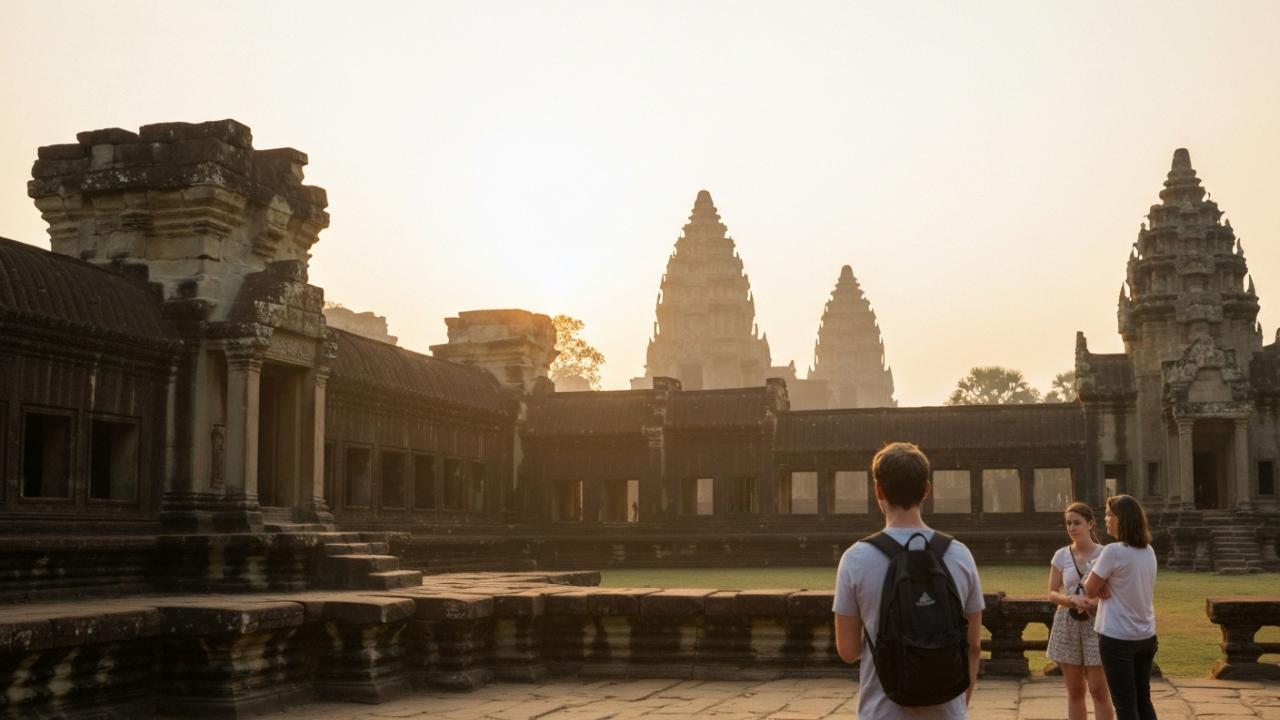
No matter how much Phnom Penh rises and new industries develop, you can’t talk about Cambodia without mentioning the Angkor archaeological sites. Angkor Wat and Angkor Thom, UNESCO World Heritage Sites, still boast an overwhelming presence, attracting travelers from all over the world. It’s a place where you can fully experience the glorious history of the Khmer Empire, so visiting it at least once is a must. Moreover, the current travel trends are ‘safety’ and ‘sustainability,’ and Cambodia is keeping pace with these trends. Although safety issues like armed clashes in border areas with Thailand have dampened travel sentiment, the Cambodian government continues to strive for both heritage preservation and a safe travel environment.
- Value of Angkor Sites:
- World Heritage: Khmer Empire sites like Angkor Wat and Angkor Thom are designated UNESCO World Heritage Sites.
- Historical Depth: Offers a glimpse into the architectural techniques and culture of the Khmer Empire, which flourished from the 9th to the 15th century.
- Preservation Efforts: The Apsara Authority under the Cambodian government and various international partners are dedicated to preserving and restoring the sites.
- Sustainable Travel:
- Continuous efforts are being made to create a safe travel environment.
- Developing in a way that educates tourists about the value of cultural heritage and coexists with local communities.
In 2026, Cambodia is transforming from a mere ancient historical site into a dynamic economy and an attractive tourist destination. While there are still many challenges to overcome, the ongoing efforts for change certainly make it a place with a promising future. It would be great to experience this vibrant energy firsthand someday.