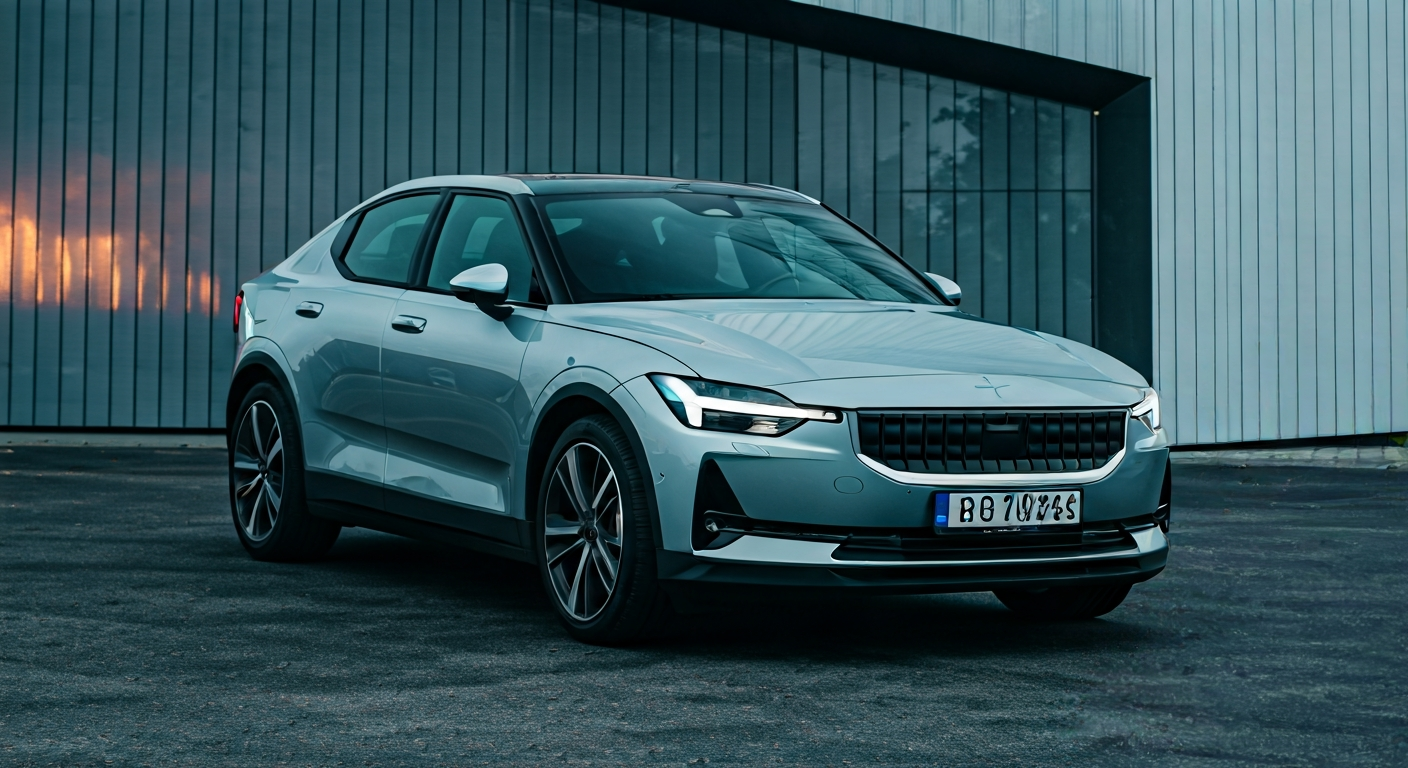
Honestly, when you look at the EV market these days, don’t you often think, ‘Oh, another new EV?’ They all seem so similar, lacking that one compelling punch. But I feel that Polestar is a bit different. Especially looking at the moves this Swedish premium EV brand is making as we head into 2026, it really feels like ‘they’re serious!’ It’s not just about making cars; it feels like they’re determined to show their own unique color.
In fact, Polestar aims for an average annual retail sales growth rate of 30-35% from 2025 to 2027. They’re even targeting a positive adjusted EBITDA (Earnings Before Interest, Taxes, Depreciation, and Amortization) by 2025, which shows their ambition to become a ‘successful’ brand, not just one that makes cool cars. Beyond simply expanding sales points, they’re completely overhauling their future model lineup and putting a lot of effort into cost reduction. At this point, shouldn’t we be excited?
What’s so different about the Polestar 4, which is ‘sweeping’ the Korean market in 2026?
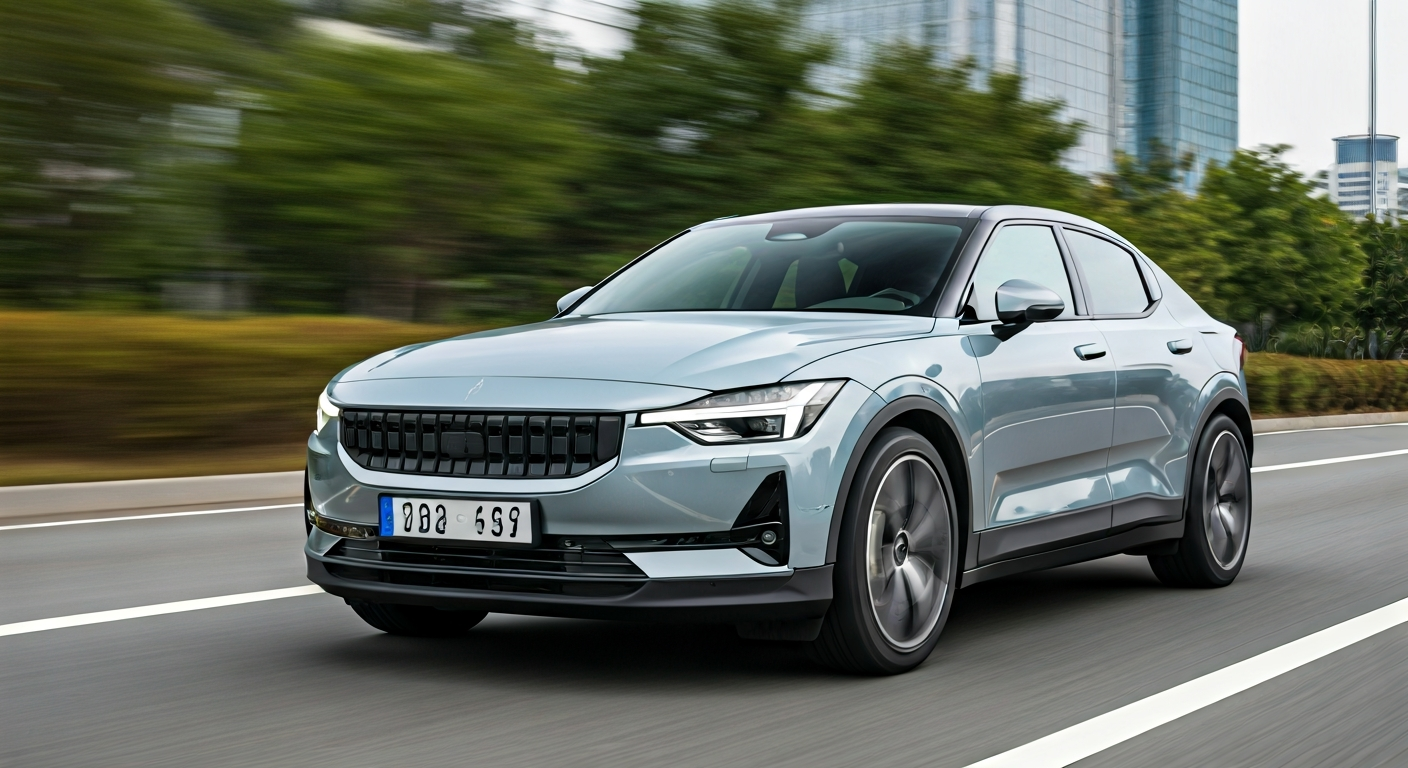
Am I the only one who’s seeing the Polestar 4 on the road so often these days? The Polestar 4 actually topped sales in Korea’s premium imported EV market (over 60 million won) in 2025, and it continued that momentum in Q1 2026, breaking its all-time monthly and quarterly records. Polestar Korea is even running a special promotion throughout April to express their gratitude. What exactly makes this car so appealing?
I think there are three main attractive points of the Polestar 4:
- Radical Design: The absence of a rear window is truly innovative, isn’t it? Instead, it offers a wider rear view through a digital rearview mirror, which really piques curiosity. The first-time application of ‘dual blade’ headlights instead of the traditional Volvo-esque ‘Thor’s Hammer’ headlights also emphasizes Polestar’s unique identity, which is impressive.
- Overwhelming Performance: The dual-motor model boasts a maximum output of 544 horsepower and accelerates from 0 to 100 km/h in just 3.8 seconds. Honestly, isn’t that comparable to a sports car? The single-motor model can also travel up to 511 km on a single charge, giving a feeling of having both performance and efficiency.
- Eco-friendly Interior: The active use of eco-friendly materials like MicroTech (pine oil extract), tailored knit (100% recycled PET), Econyl (recycled fishing nets), and NFPP (natural fiber polypropylene) to ensure sustainability is highly commendable. It’s just ‘insanely good,’ there’s nothing else to say.
Polestar CEO Michael Lohscheller also said that “the Polestar 4 is a model particularly well-suited to the Korean market,” which shows they accurately understood what Korean consumers want.
Polestar isn’t just about the 4? New car lineup coming after 2026
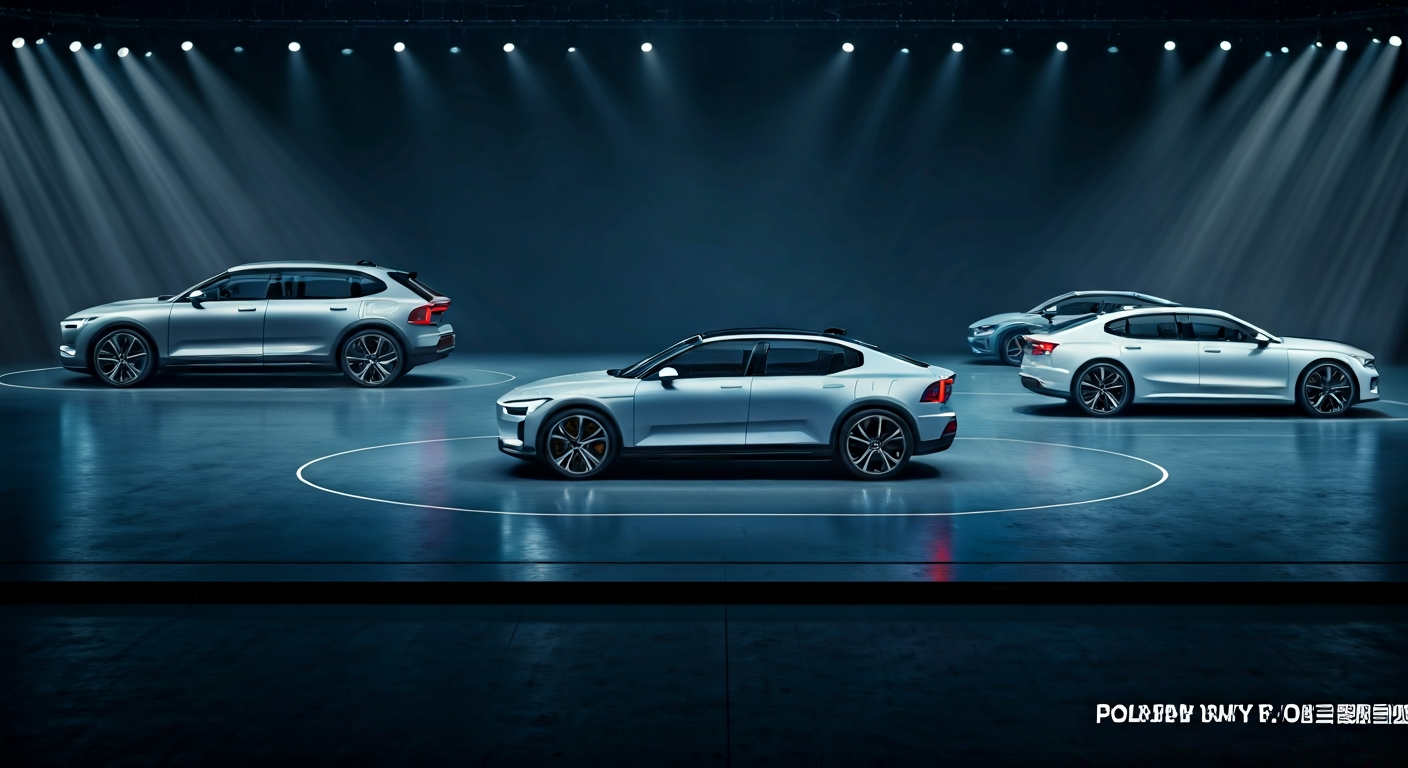
Actually, Polestar’s true power lies in its upcoming lineup. They plan to sequentially introduce four new models by 2028. This means a series of models that could change the landscape of the future EV market are on standby.
- Polestar 3: This is a large electric SUV, and it comes standard with dual-chamber air suspension and adaptive dampers, which are said to provide an incredibly comfortable ride. It’s said to analyze road conditions every 1/500th of a second to achieve optimal ride comfort, so it’s no wonder it’s praised for its ‘natural driving feel.’ The expected domestic launch price is in the early 100 million won range, and with air suspension as standard at that price, isn’t that a great deal?
- Polestar 5: This is truly insane. It’s a high-performance 4-door GT model with a whopping 884 horsepower and a 0-100 km/h time of 3.2 seconds. As Polestar’s most powerful model ever, just hearing the name makes my heart pound. With a WLTP range of 678 km for the dual-motor model, long-distance driving will be no problem, right?
- Polestar 7: This is a premium compact SUV set to be released in 2028 and will be produced in Europe. The compact SUV segment accounts for about one-third of pure EV sales in Europe, so with the Polestar 7, the lineup will truly be complete.
Polestar has already established a balanced global production network with production bases in the US, Korea, and China. It’s particularly noteworthy that Polestar 4s produced at Renault Korea’s Busan plant will be exported to the North American market. This means Korea’s importance is growing not just as a consumer market but also as a production hub, which makes me feel proud.
Sustainability and Premium Value: Polestar’s Path
One of the reasons Polestar is doing so well is probably because of its firm philosophy of ‘Scandinavian design’ and ‘sustainability,’ isn’t it? The perception of it being not just a beautiful car but also an environmentally conscious brand seems to particularly appeal to the younger generation. These three values have a strong appeal to younger generations who prioritize the future, so they’ve targeted them perfectly.
Even as price competition intensifies in the global EV market, Polestar maintains its stance of not losing its value as a premium brand. I look forward to seeing what innovations Polestar will show in the future and how much more presence it will establish in the Korean market. If its efforts to provide an ‘experience’ beyond just a car continue, Polestar could establish itself as a lifestyle icon, not just an EV brand.