
No, have you seen the news lately? Suddenly, there’s a lot of buzz about trash bags. I used to think you just bought them at the supermarket, but what’s this? Since 2026, there’s been an unusual atmosphere, hasn’t there? Honestly, at first, I thought, ‘No way,’ but when I listened closely, there were quite a few things that could directly affect our daily lives. The complex stories intertwined with the trash we carelessly throw away and the bags we put it in – shall we delve into them now?
Actually, ordinary citizens like me might wonder if we need to worry about such things. But then I thought, if I don’t know and suddenly there are no bags, or the way of disposing changes, I could be completely flustered, so I looked into it. There were more interesting (?) points than I expected, so I’ve organized them as if I’m telling my friends. If you know this, you’ll be called ‘the knowledgeable one,’ seriously.
‘Direct Landfilling Ban’ from 2026, What Does That Even Mean?
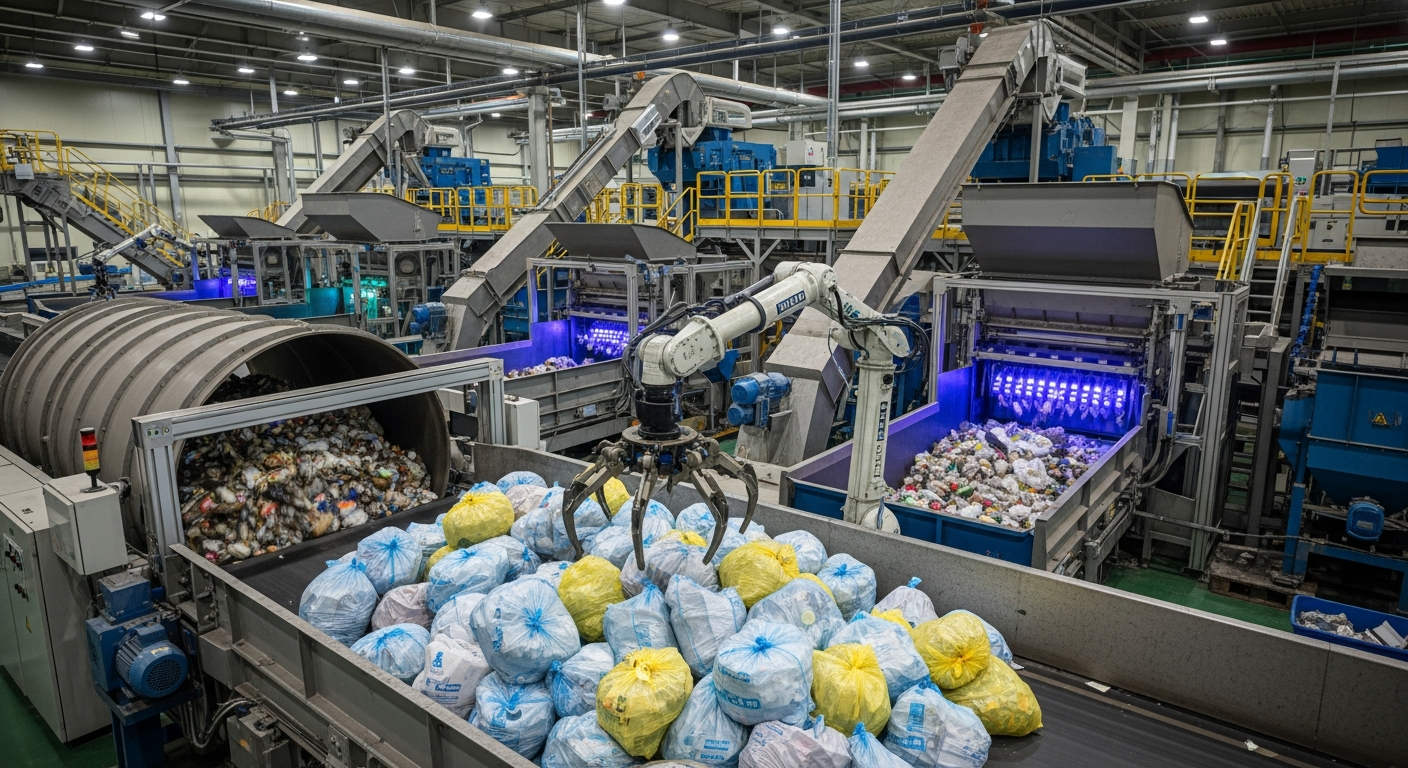
Everyone, this is really important. Did you know that from 2026, direct landfilling of household waste will be banned in the Seoul metropolitan area? What this means is, we diligently separate food waste and recyclables, and the remaining general waste, we put it in standard garbage bags, right? But it means you can’t bury those bags directly in the ground. So, what happens then? Now, collected standard garbage bags must be opened, sorted, and then incinerated or recycled. The goal is to drastically reduce landfilling and maximize recycling. This will be implemented in areas outside the Seoul metropolitan area from 2030, so it’s good to know in advance, isn’t it? Actually, such changes are a natural progression when considering the environment, but it gets a bit complicated when it becomes a reality.
Naphtha Shock, Will a Trash Bag Shortage Become a Reality?
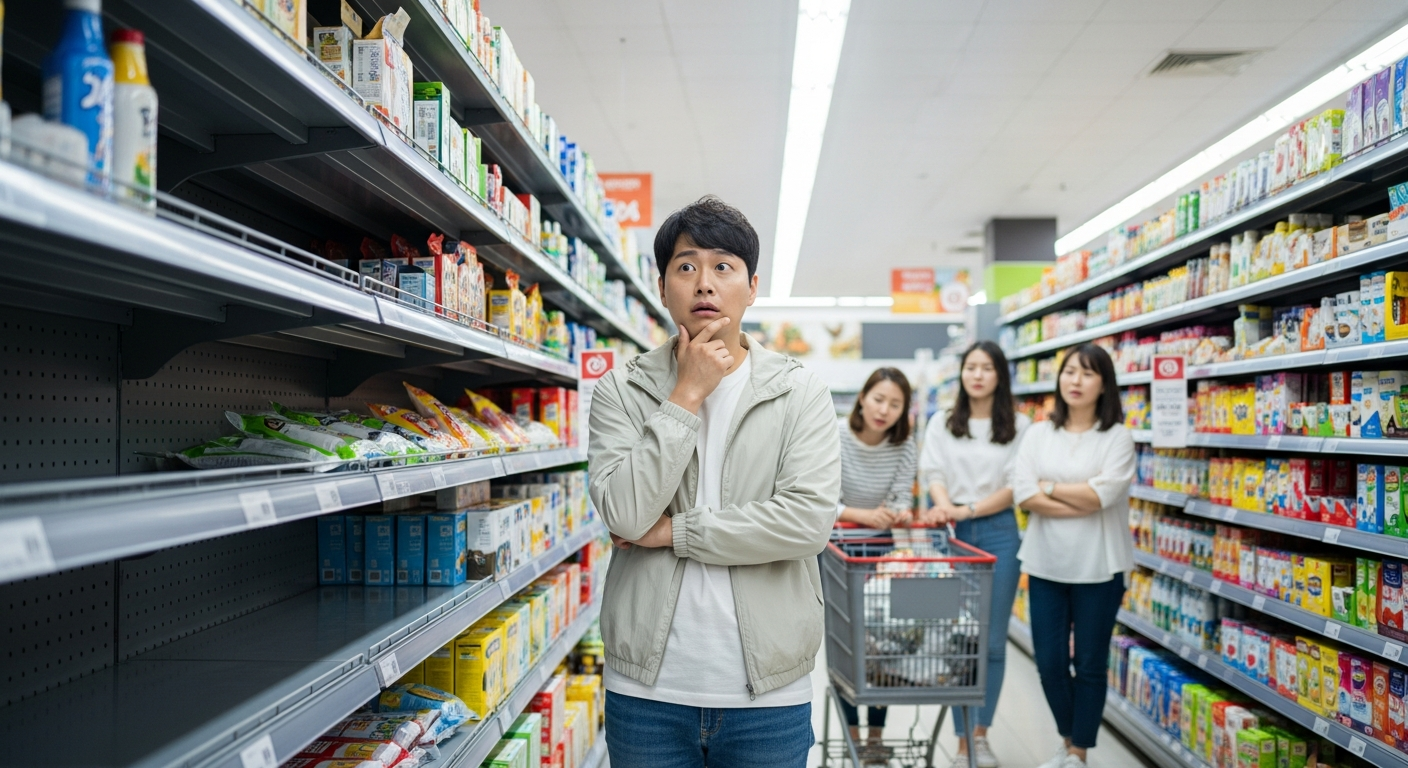
You’ve probably seen a lot of news lately about the unstable situation in the Middle East. But this is also deeply related to our household trash bags. There’s an emergency in the supply of ‘naphtha,’ the core raw material for plastic, causing disruptions in bag production, and even growing concerns about a shortage. There are also articles stating that international oil price hikes have caused naphtha prices to surge by over 60% in two months. If this situation continues, it seems inevitable that bag hoarding will increase, and a real ‘trash bag crisis’ could occur. I also wondered if I should stock up on a few more, just in case, but the government says there’s enough stock and they’re even considering allowing general bags if the situation becomes serious, so perhaps there’s no need to worry too much. Still, ‘expecting the worst’ might be necessary, right?
Faulty Anti-Counterfeiting Devices, 6.5 Billion Won Up in Smoke?
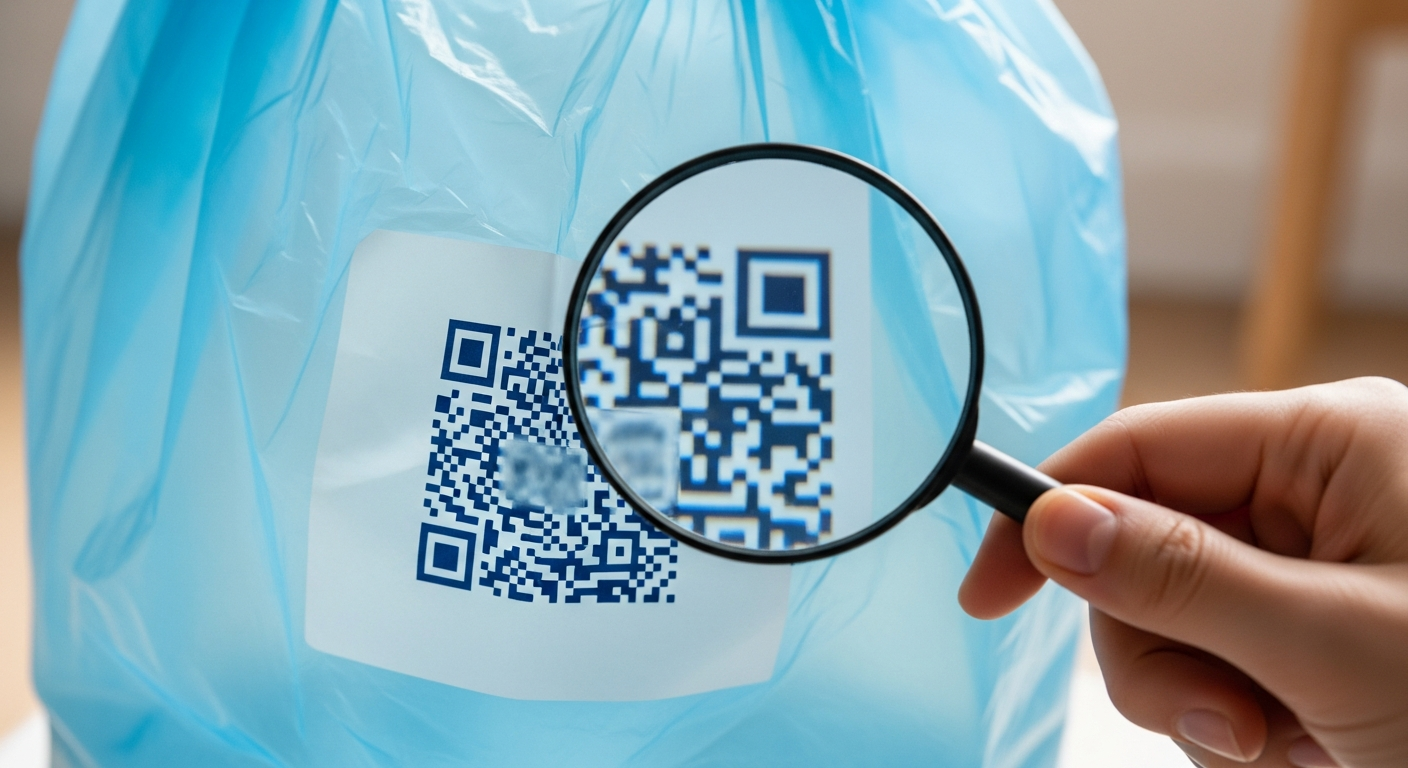
This is a truly ‘absurd’ story, but did you know that most of the anti-counterfeiting devices, like QR codes or barcodes, printed on our trash bags are faulty? We’ve been paying an average of 5 won per bag, bearing that cost, but in reality, these devices are often vulnerable to counterfeiting or don’t work at all. There have even been cases of people being caught secretly duplicating printing plates to print bags, and many local governments have known about these problems but neglected them. It’s truly outrageous that 6.5 billion won annually has been wasted like this. Transparent management is urgently needed to prevent such money from leaking out of citizens’ taxes.
Who knew that even a single trash bag could hide such complex stories? From environmental policies to international affairs, and even how our money is spent, it’s all intertwined. From now on, every time I throw away trash, I think the stories we shared today will flash through my mind. If we all pay a little more attention, couldn’t we create better changes?