Have you ever heard the phrase ‘The Santiago of the East’? To be honest, it was a bit unfamiliar to me at first. But then I was surprised to hear the news about the recent ‘Reenactment of Toegye’s Last Return Journey’ event, which started at Gyeongbokgung Palace.
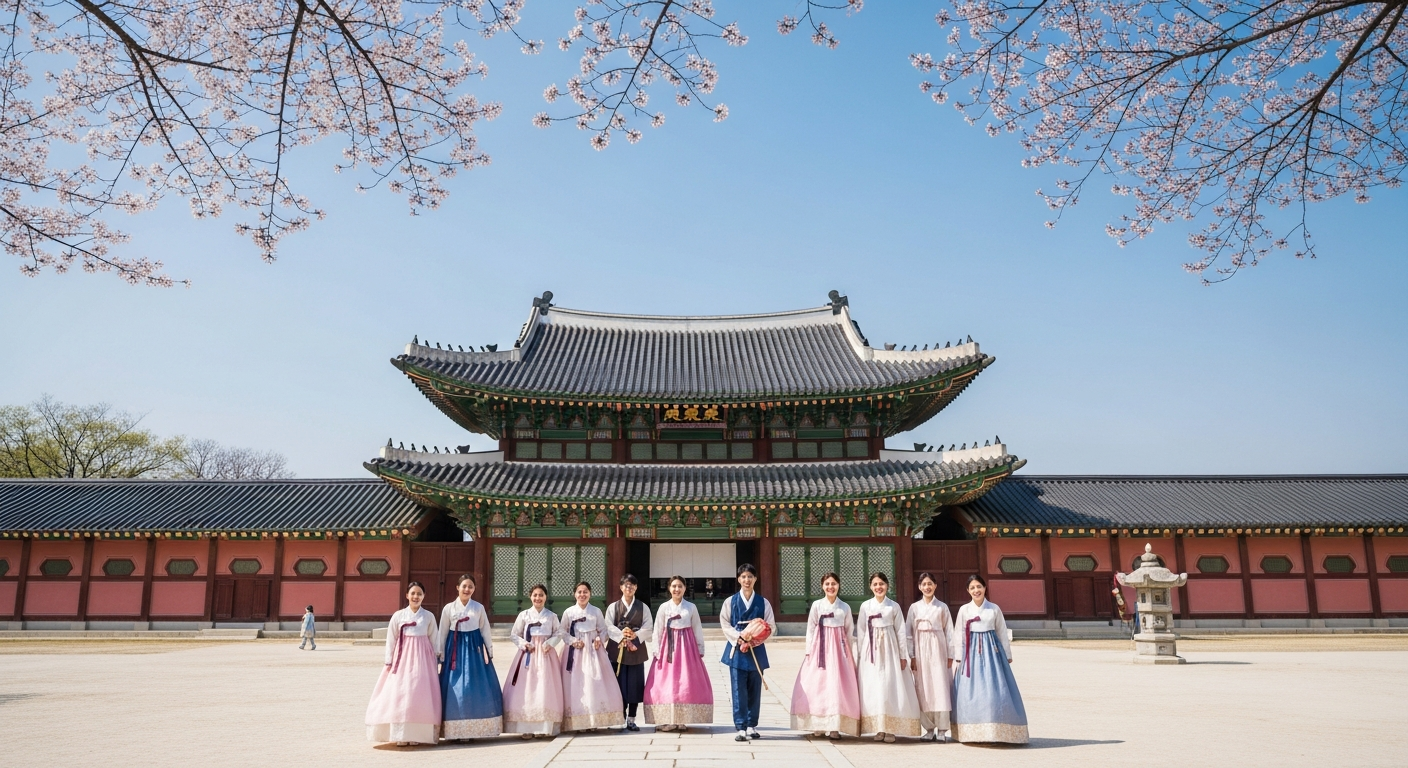
On March 30th, the 6th Reenactment of Toegye’s Last Return Journey event grandly kicked off in front of Manchunjeon Hall at Gyeongbokgung Palace. I was personally very curious because it seemed like a deeply meaningful time to reflect on the life and philosophy of Toegye Yi Hwang, not just simply walking an old path.
Toegye Yi Hwang, What is the Meaning of the Path He Walked?
To be honest, when I thought of Toegye Yi Hwang, I only knew him as a ‘great Confucian scholar.’ But as I looked into him more because of this event, I found his life to be truly dramatic. I don’t know why the phrase ‘last return journey’ resonates so deeply with me.
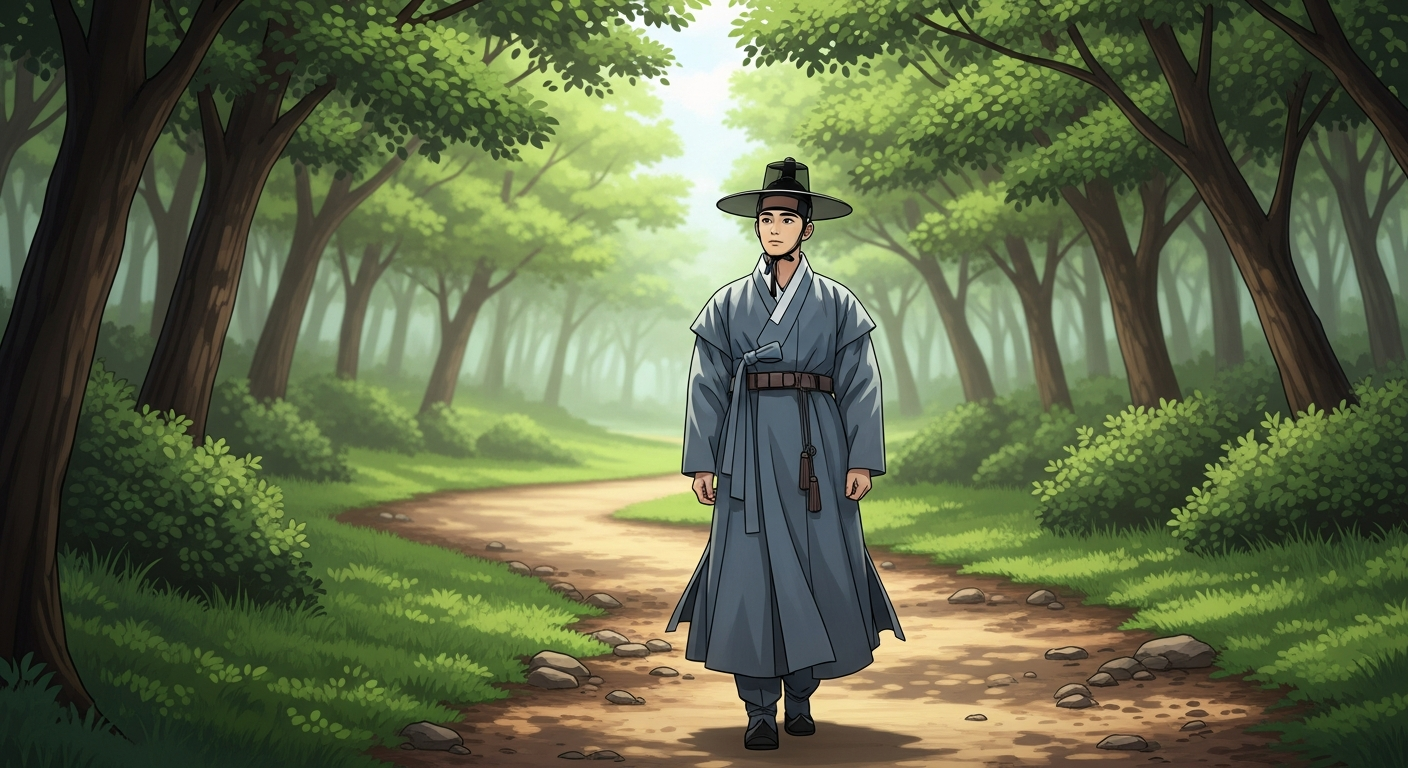
This path is said to be a reenactment of the journey Toegye Yi Hwang walked when he retired from office and returned to his hometown, Andong’s Dosan Seowon. He didn’t just walk because there was no other means of transport; it must have been a philosophical journey filled with countless thoughts and realizations. Isn’t that truly amazing?
From Gyeongbokgung to Dosan Seowon, Into the Long Journey
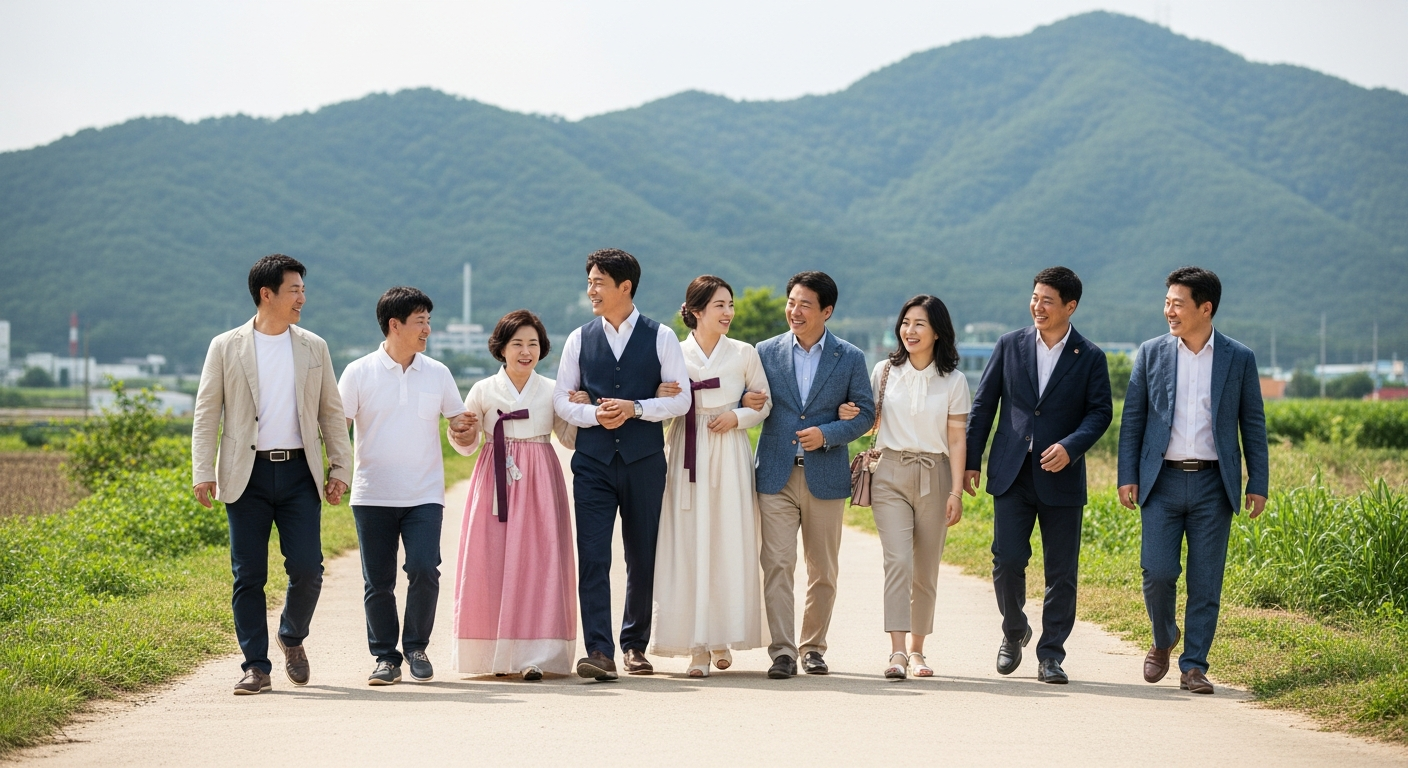
This reenactment event is a grand journey of 25 days, starting from Manchunjeon Hall in Gyeongbokgung Palace all the way to Dosan Seowon. Wow, 25 days! It’s such a long time that’s unimaginable today, and it made me realize how resilient people in the past were. I probably would have given up halfway.
This long journey must contain more meaning than just walking. For example, these aspects:
- Historical Significance: The opportunity to indirectly experience the atmosphere of that era by following in the footsteps of Toegye Yi Hwang.
- Educational Significance: An opportunity to vividly convey an important figure in our history and his thoughts to students.
- Time for Reflection: A precious time to step away from busy modern society, look back at oneself, and feel nature.
Thinking about these points, I really wanted to participate.
Why It’s Called ‘The Santiago of the East’
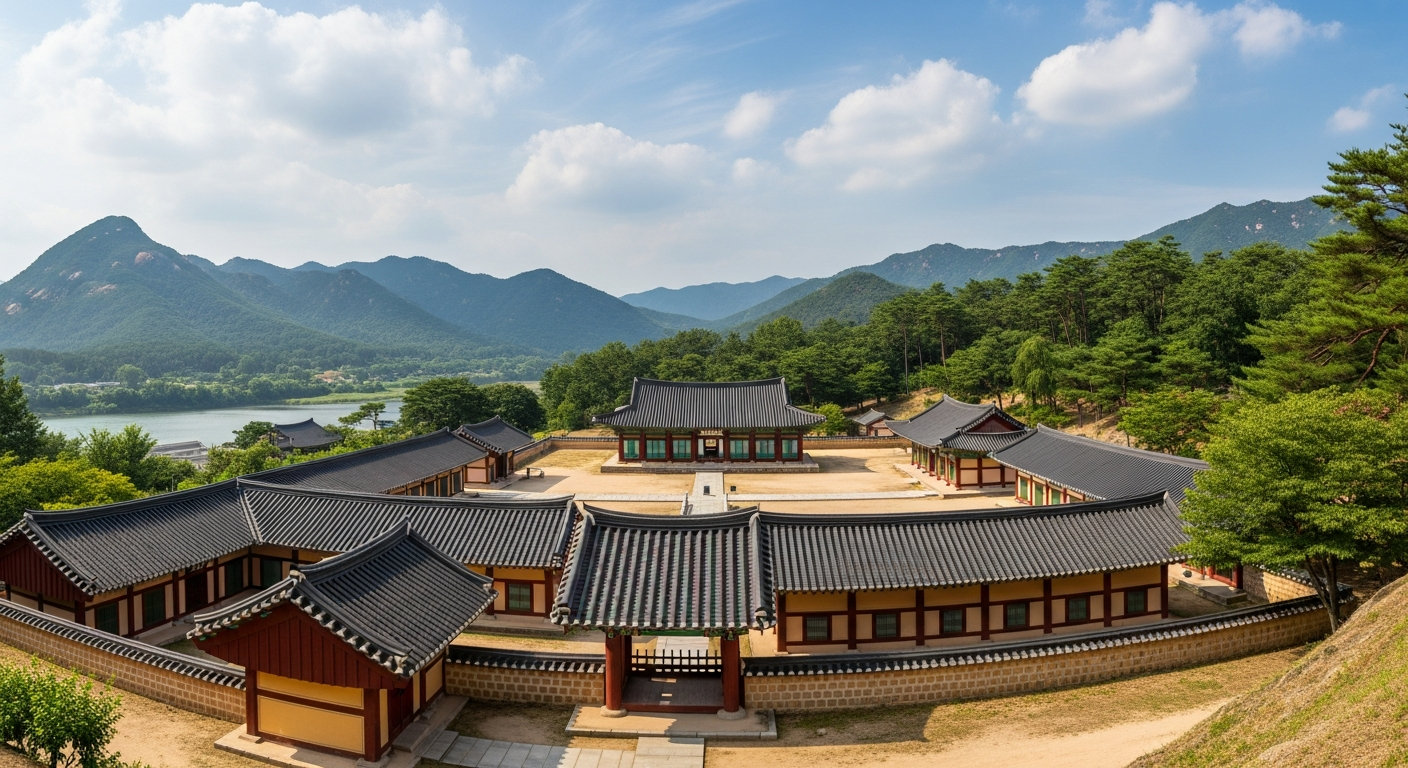
I mentioned ‘The Santiago of the East’ earlier, didn’t I? It turns out this nickname wasn’t given lightly. Like the Camino de Santiago in Spain, Toegye’s return journey is also regarded as a journey to achieve spiritual maturity and enlightenment, beyond mere travel.
Especially considering the academic depth and character of Toegye Yi Hwang, it’s easy to imagine how much inspiration the path he walked gave to many people. It’s not just an act of walking, but a meaningful pilgrimage that can inherit his spirit and find values necessary for modern society. That’s probably why many people are paying attention to this path.
Toegye’s Path, The Message It Gives Us
Watching the reenactment of Toegye’s last return journey made me think a lot. It made me realize that for us living busy lives, sometimes we need time to stop, look back at the past, and find the true meaning of our lives.
Like the path Toegye Yi Hwang walked, couldn’t we also create meaningful journeys in our own lives? Personally, I hope more people learn about these historical events and experience them together.